这个词汇最初仅限于心理学领域,用以帮助人们应对逆境,但自疫情爆发以来,它在经济学家、企业执行长和央行官员之间大受欢迎。研究甚至指出,为了追求经济韧性而放弃全球贸易,有时反而会损害公民的福祉。这种对韧性的日益关注,凸显了人们对未来的广泛生存恐惧与不确定性,其中也包含了人工智慧可能取代中产阶级劳动力的担忧。
尽管毅力与未雨绸缪仍然是宝贵的特质,但持续赞颂韧性可能意味著社会已经变得过度脆弱,或是将长期的危机状态视为常态,而非追求真正的进步。作者期盼这个强调韧性的时代只是暂时的,并终将为真正的繁荣与创新铺路,创造出一个不再需要将韧性视为必需品或值得赞扬的世界。
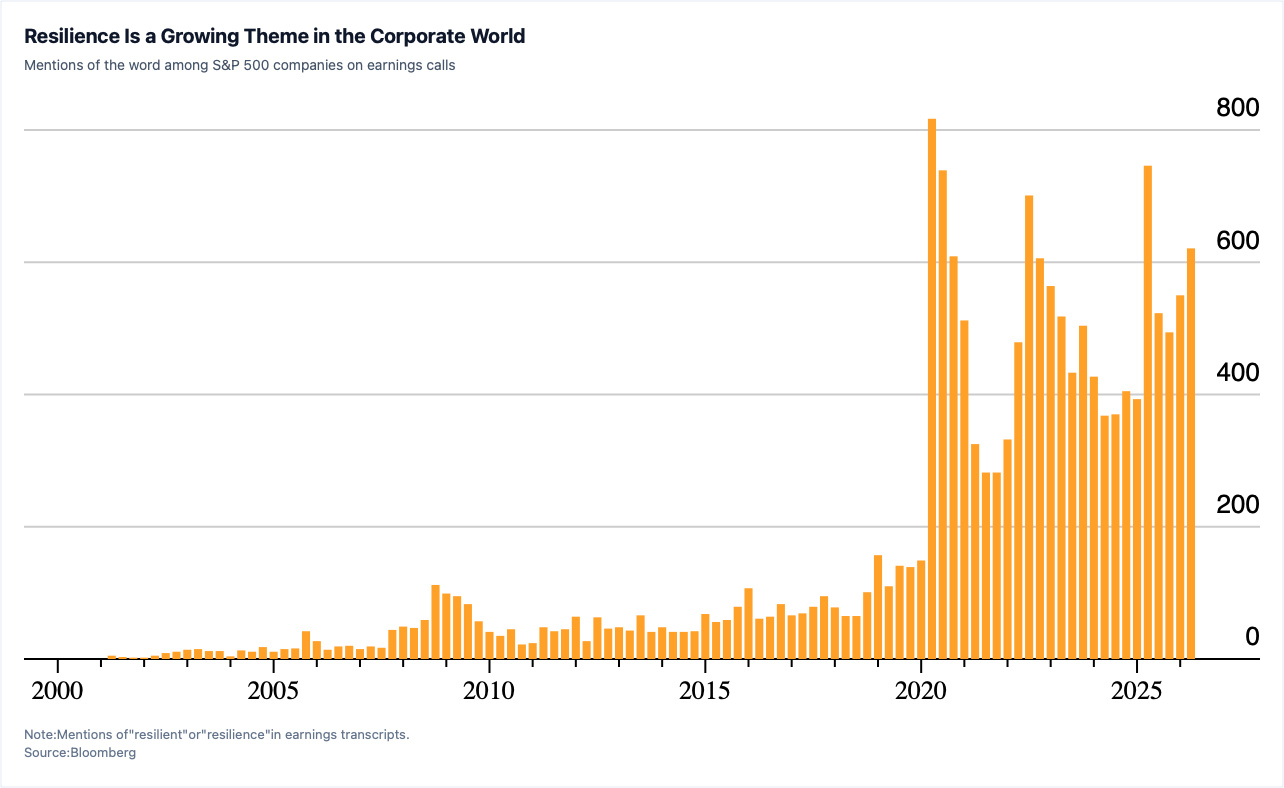
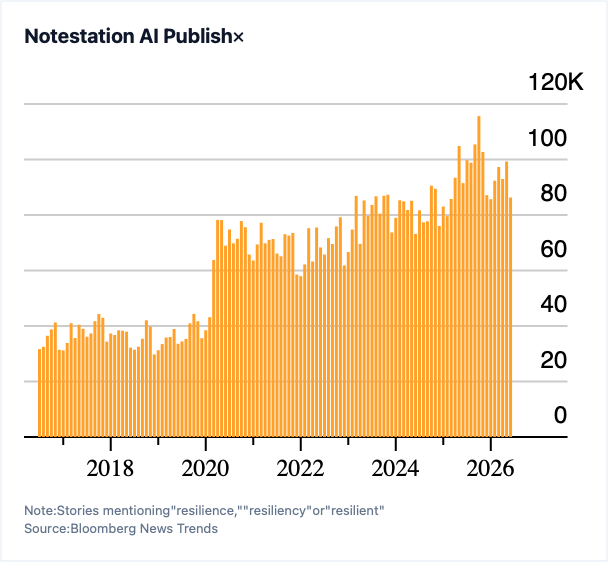
In today's society, the word "resilience" has become ubiquitously overused, applied to everything from soldiers in war to consumers, supply chains, and climate change. However, this widespread phenomenon reflects a pessimistic reality, suggesting that our world is becoming increasingly fragile, unpredictable, and difficult, where merely "muddling through" has become the best outcome we can hope for.
Originally confined to the field of psychology to help individuals cope with adversity, the term has surged in popularity among economists, CEOs, and central bankers since the pandemic. Research even indicates that prioritizing economic resilience over global trade can sometimes harm citizen welfare. This growing focus on resilience highlights a widespread existential dread and uncertainty about the future, including concerns that artificial intelligence might displace the middle-class workforce.
While grit and preparedness remain valuable traits, the constant celebration of resilience may imply that society has become overly fragile or has normalized a state of perpetual crisis instead of pursuing genuine progress. The author hopes this era of resilience is merely temporary and will eventually pave the way for true prosperity and innovation, creating a world where resilience is no longer a necessity or something that needs to be praised.