中国的猪肉行业已从反复的繁荣与衰退进入了重新出现的过剩产能状态。2018—2019年非洲猪瘟摧毁了大量小型“后院”养猪场并使价格大幅上扬,但大型工业化生产商随后在反弹中重新夺回了市场份额。
如今活猪3月价格跌至15年来最低,一些农户每头亏损超过300元(约40美元)且价格持续低迷。为了应对下滑期,企业将猪只集中到现代化设施并大规模机械化养殖,已有湖北一座据称为26层的养猪楼。
去年中国生猪产量创新高达到5900万吨,占全球总产量约一半,且比2020年高出40%。但2024年人均猪肉消费量降至28公斤,比2023年少2公斤,且中产阶层消费偏好正在向鸡肉和海鲜转移。官方削减补贴、下令扑杀并增加战略储备收购,但成效有限,因此像牧原这样的大型企业把增长转向他处,包括在越南建设每年可养160万头猪的高层养猪场,且利润趋于持平。
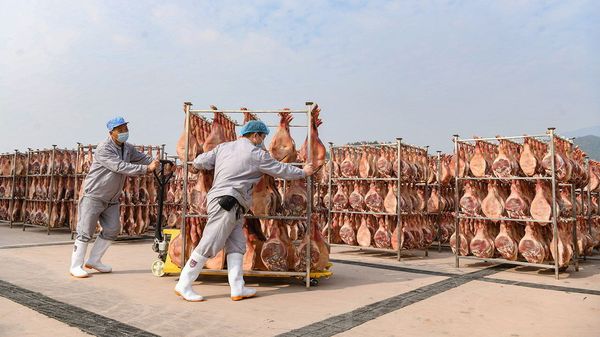
China’s pork sector has shifted from repeated boom-bust cycles to renewed overcapacity concerns. In 2018–2019, African swine fever wiped out many small backyard farms and pushed prices sharply higher, but large industrial producers later reclaimed market share in the recovery.
Live-pig prices in March dropped to a 15-year low, with some farmers losing more than 300 yuan (about US$40) per animal as prices stay weak. To cope, firms consolidated pigs into modern, mechanized facilities during the downturn, and one farm in Hubei is reported to run in a 26-floor structure.
Last year China produced a record 59 million tonnes of pork, about half of global output and 40% above 2020, yet per-capita consumption fell to 28 kg in 2024, down 2 kg from 2023, while middle-class demand increasingly shifts to chicken and seafood. Authorities cut subsidies, ordered culls, and increased reserve purchases with limited effect, so major firms such as Muyuan are pursuing growth elsewhere, including a planned 1.6 million head-per-year high-rise farm in Vietnam as profits flatten.
Source: China’s huge pork industry is a victim of its own success
Subtitle: The country is awash in its favourite meat
Dateline: 3月 26, 2026 04:45 上午 | Beijing