其他科技巨头也纷纷效仿这种租赁结构,导致隐藏的财务义务大幅增加。根据高盛的分析,目前科技巨头的总租赁承诺已高达一点五兆美元,其中约一兆美元因为租赁尚未开始,根据美国通用会计准则的规定,并未显示在公司的财务报表上。(关键数字:1.5, 1)
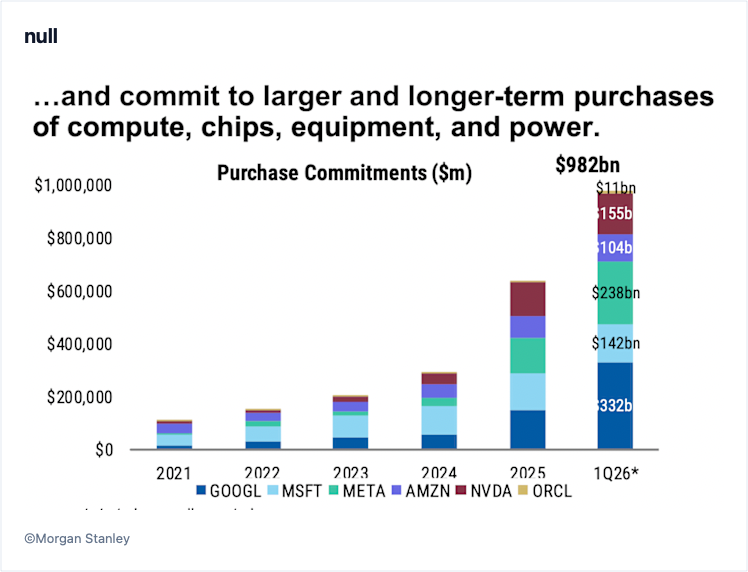
除了庞大的租赁承诺外,这些科技公司还积累了大量购买运算能力、晶片和电力的承诺,总额接近一兆美元。虽然只要人工智慧资料中心的投资最终能带来回报,这些就不成问题,但这些隐藏的债务和采购承诺最终仍将转化为必须偿还的实质财务负担。(关键数字:1)
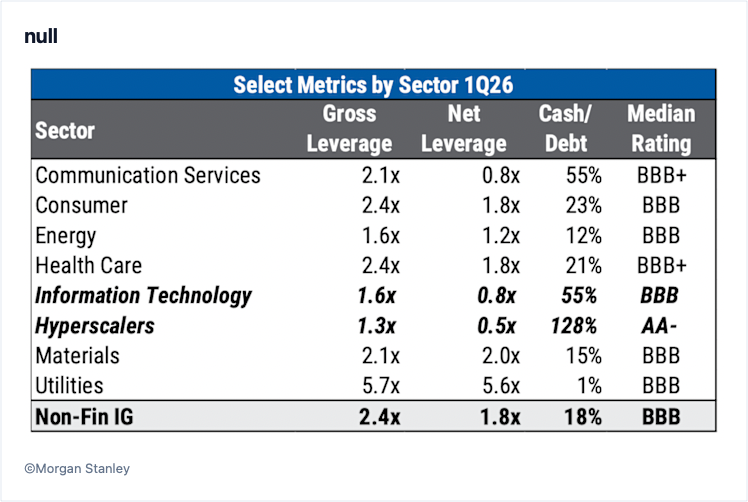
Although optimists argue that tech giants have ample cash and strong credit ratings to support their data center investments, these companies are using increasingly creative methods to raise capital. For instance, Meta formed a joint venture with a partner to develop a data center and issued bonds backed by long-term lease agreements, effectively keeping massive debt off its own balance sheet.
Other tech giants are quickly adopting similar lease structures, leading to a massive surge in hidden financial obligations. According to Goldman Sachs, total lease commitments in the sector have reached 1.5 trillion dollars, with about 1 trillion dollars omitted from financial statements because the leases have not yet commenced, taking advantage of US GAAP accounting rules.
In addition to lease commitments, these technology companies have also accumulated nearly 1 trillion dollars in purchase obligations for computing power, chips, and electricity. While this may not be an issue if AI data center investments eventually pay off, these hidden debts and purchase commitments represent substantial financial burdens that must ultimately be paid.