由于近期科技股抛售迫使投资者减少部位,保证金贷款和杠杆型ETF的资金撤出有助于遏制投机活动,并减少市场的剧烈波动。分析师指出,这种大规模的去杠杆化是市场必要的重置,因为先前的极度借贷使市场变得非常脆弱。
为了稳定股市,该地区的监管机构也采取了行动,例如韩国收紧了对杠杆产品的规定,而中国官方资金则进场买入。随著杠杆率的降低,市场开始出现反弹迹象,并在风险与回报之间展现出更持久与健康的平衡。
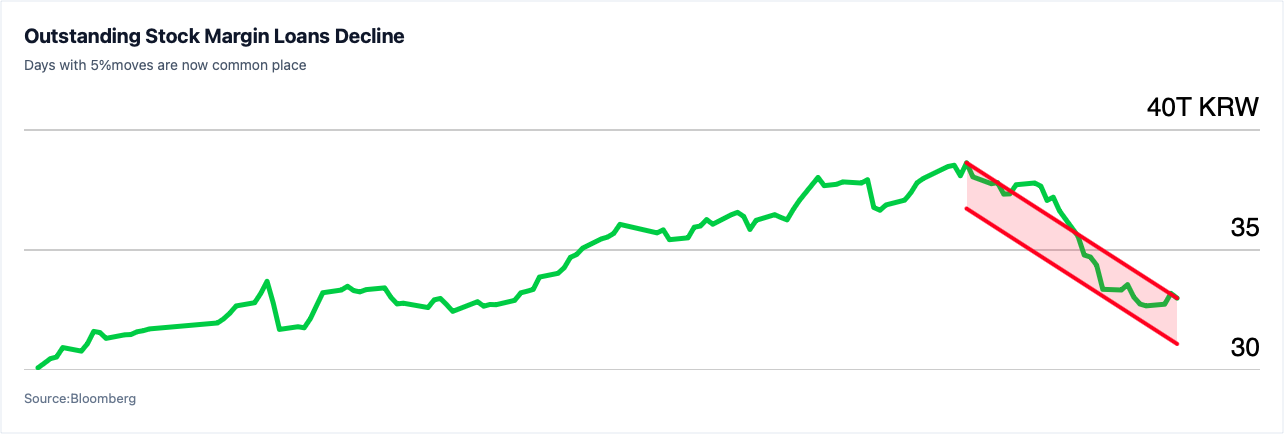
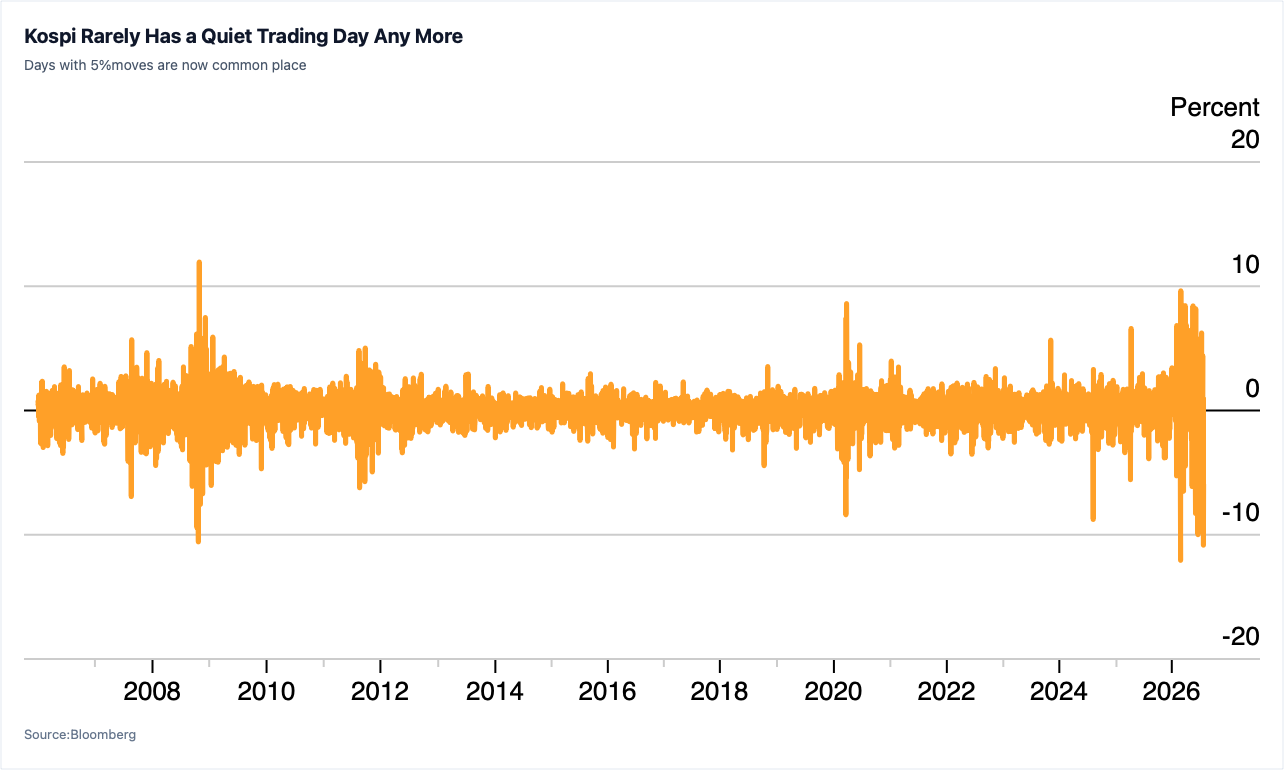
Retail investors in South Korea, Taiwan, and mainland China have significantly reduced their margin debt, which had reached record highs in late June. Investors believe this trend of deleveraging paves the way for a healthier rebound in Asian stock markets.
Forced by recent tech stock selloffs, the retreat in margin loans and leveraged ETFs helps curb speculative activity and reduces wild market swings. Analysts note that this large-scale deleveraging is a necessary market reset, as extreme borrowing previously left the markets uniquely vulnerable.
Regional regulators have also stepped in to stabilize the markets, with South Korea tightening rules on leveraged products and Chinese state-affiliated funds buying shares. With lower leverage, the markets are beginning to show signs of recovery, displaying a healthier and more durable balance between risk and return.