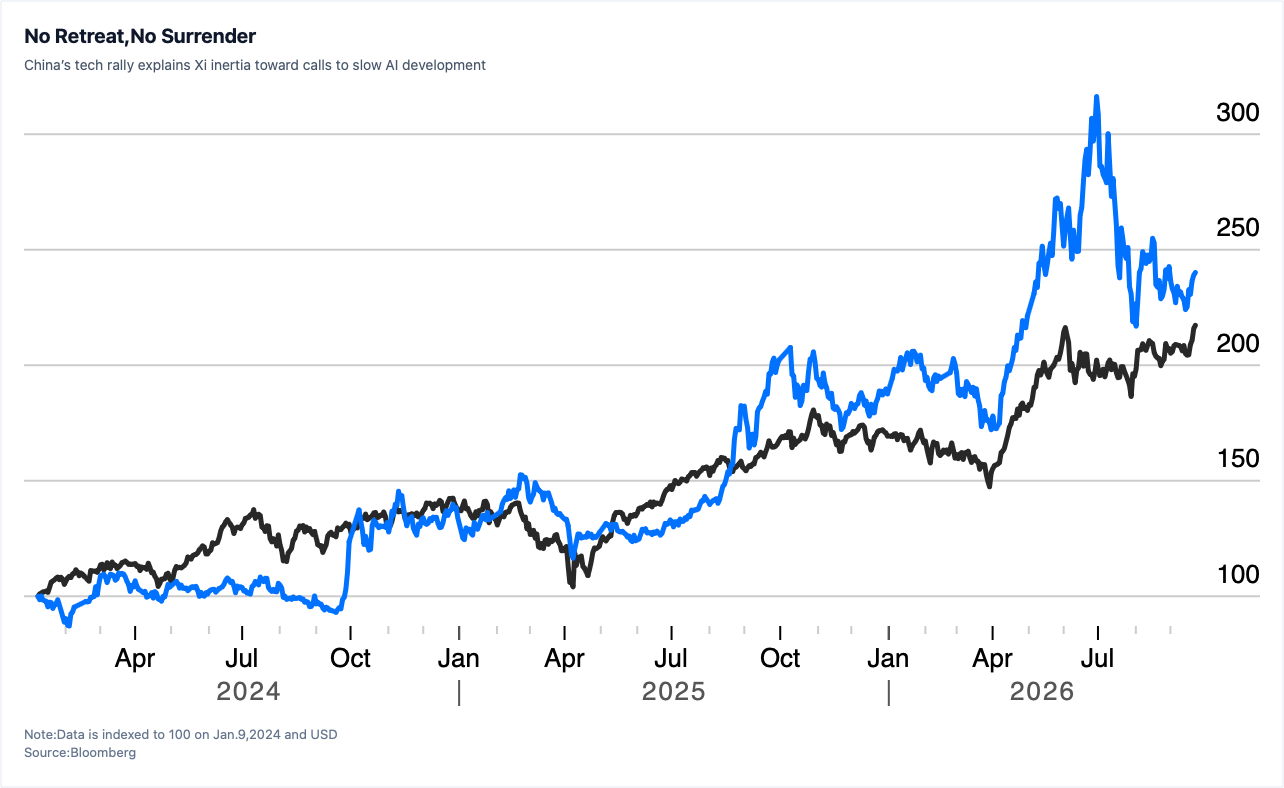
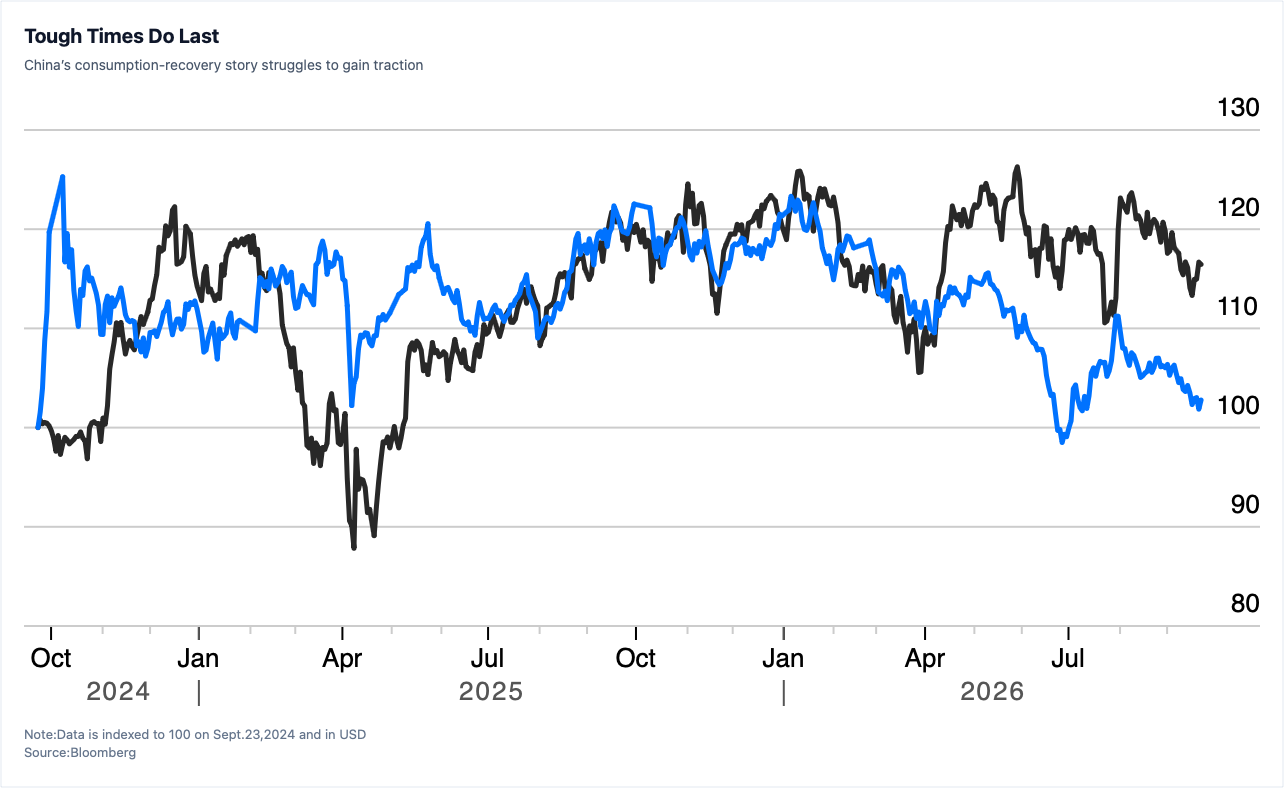
在地缘政治方面,习近平与川普在华盛顿的高峰会谈凸显了美中两国虽然关系紧张却仍深度相互依存的现实。双方在人工智慧竞争上均不愿减速或让步,尤其在中国内部消费需求持续疲弱的背景下,科技产业已成为中国经济的重要支柱。尽管双方在晶片出口管制与国防安全方面互信薄弱,但两国在避免全面冲突与寻求战略平衡上仍存在实质共识。
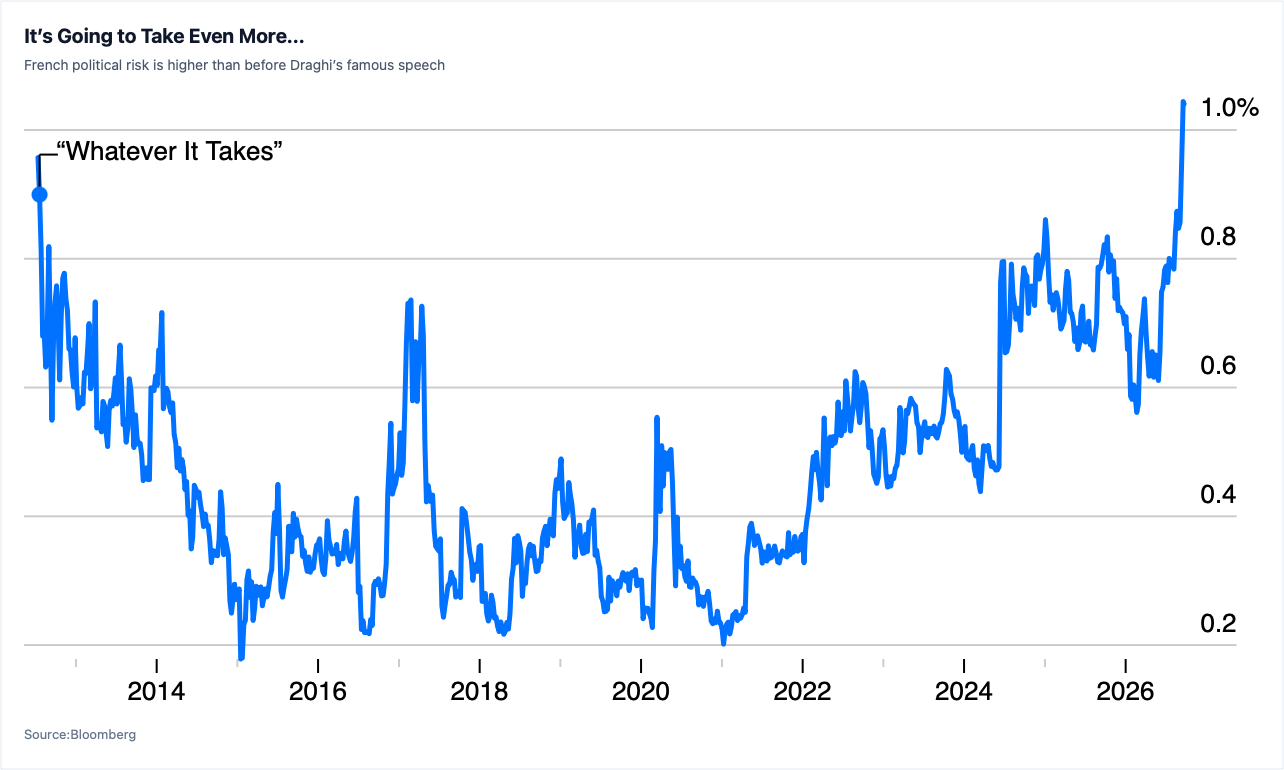
欧洲金融市场亦面临严峻考验,随著美国联准会紧缩政策推升美债殖利率,法国与德国十年期公债利差已突破一个百分点,创下 2012 年欧洲央行总裁德拉吉发表「不惜一切代价」言论以来的最高水准。法国急剧升温的政治风险与财政赤字隐忧,正促使债券市场定价更高的风险溢价,并再度将欧洲主权债务的可持续性推向关键十字路口。
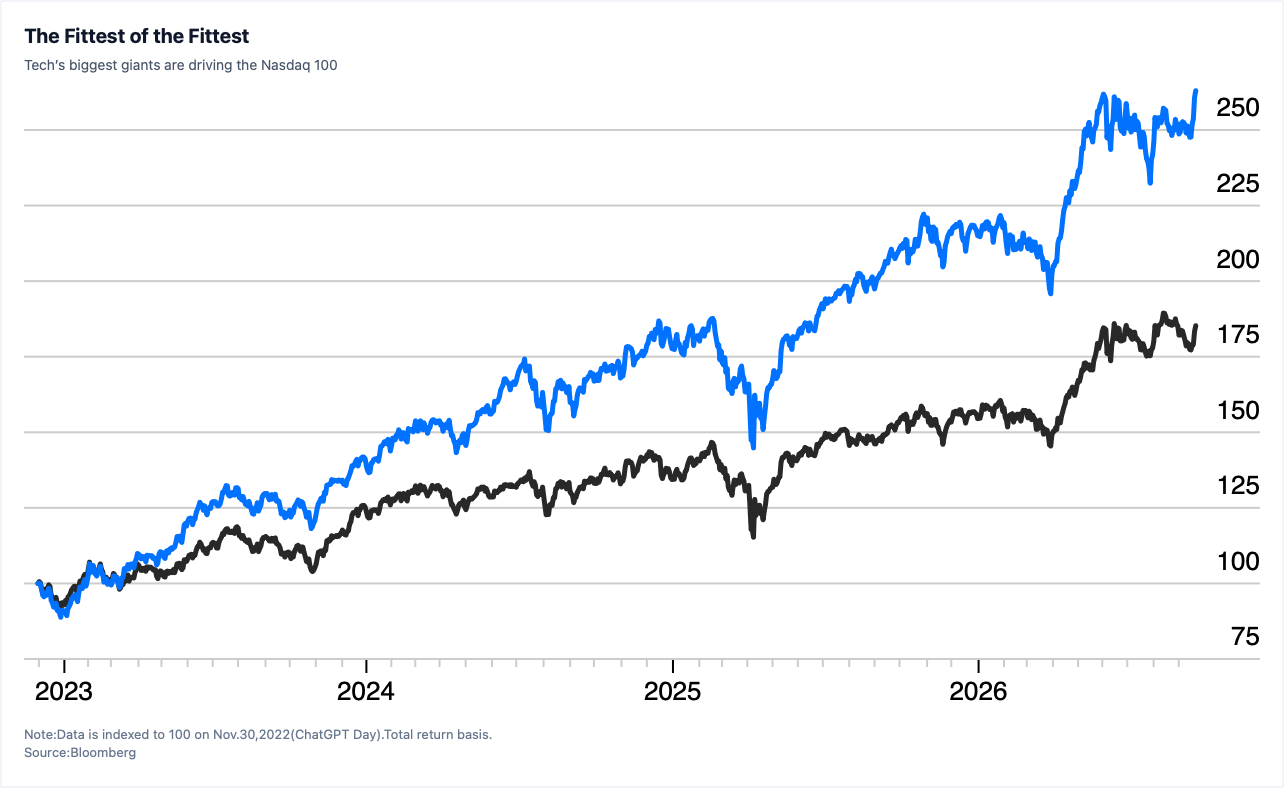
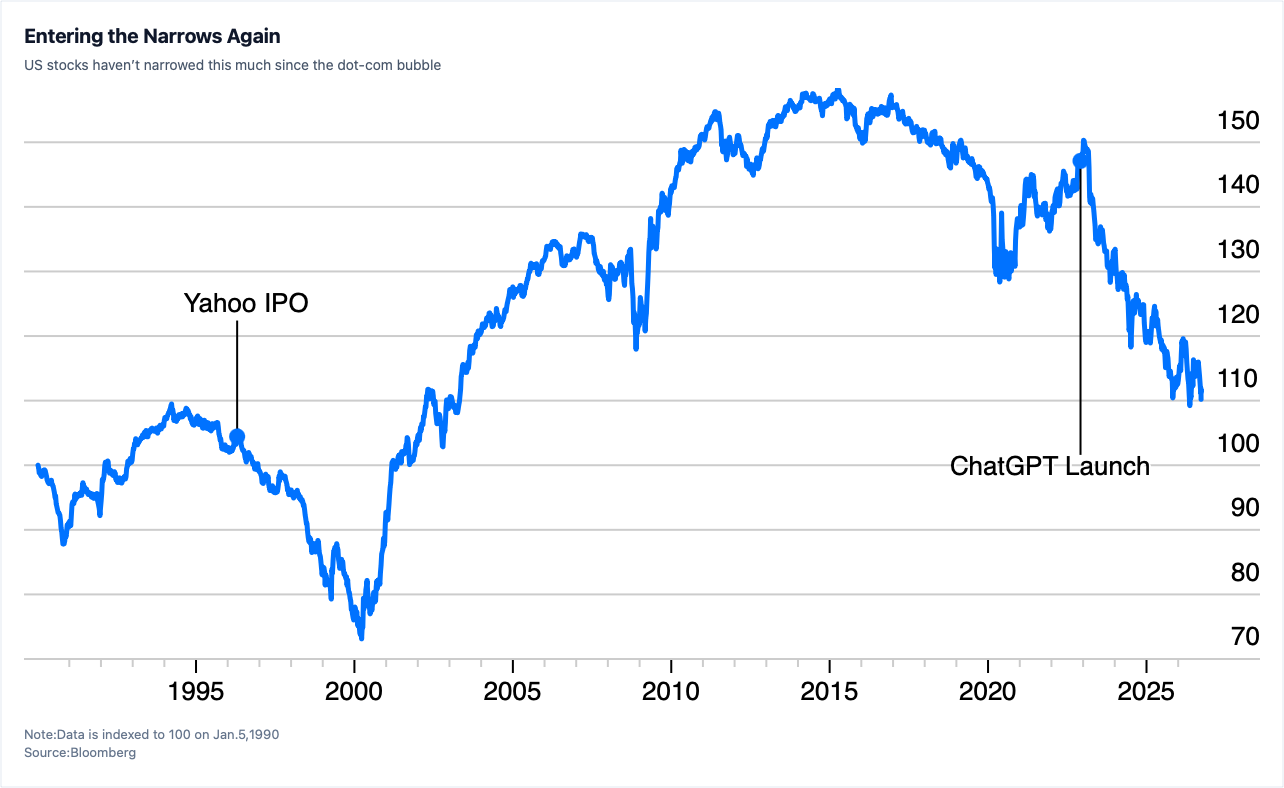
The US stock market reached an all-time high led by the Nasdaq 100, but it continues to display one of the narrowest market breadths in history. Recent gains are overwhelmingly concentrated in a handful of tech and semiconductor giants such as Nvidia, AMD, and Meta. This degree of market concentration closely mirrors conditions seen prior to the 1999 dot-com collapse, serving as a cautionary signal against excessive optimism.
On the geopolitical front, the high-stakes summit in Washington between Xi Jinping and Donald Trump highlights the deep structural interdependence of the world's two largest economies despite ongoing friction. Neither power is willing to slow its momentum in the artificial intelligence race, especially as technology remains a rare bright spot for China's sluggish economy. While export restrictions and security concerns undermine mutual trust, both nations maintain a compelling interest in avoiding overt conflict.
In Europe, global bond yield pressures spurred by Federal Reserve tightening have exacerbated fiscal and political anxieties, causing the 10-year French-German sovereign yield spread to exceed one percentage point. This marks its widest divergence since Mario Draghi's pivotal 2012 'whatever it takes' speech, underscoring growing investor skepticism toward Paris's fiscal deficit trajectory and placing fresh strain on European financial stability.