虽然分析师估计中国至少还需要七到十年的时间才能完全追赶上 ASML 的技术水准,但这项潜在威胁在中国政府的大力支持下已是不争的事实。具有讽刺意味的是,美国主导的出口管制原本旨在限制中国的技术发展,却反而加速了中国追求技术自主的步伐,促使当地竞争对手迅速崛起。(关键数字: ten years)
面对中国的竞争,欧洲在全球科技产业中本就微弱的影响力将进一步受到威胁,这也让美国更容易迫使欧洲采取可能损害自身利益的出口限制。为了应对这项挑战,欧洲必须积极整合并保护以 ASML 为核心的晶片生态系统,透过鼓励跨国合并与增加研发投资,来确保其在未来科技领域中的竞争优势。
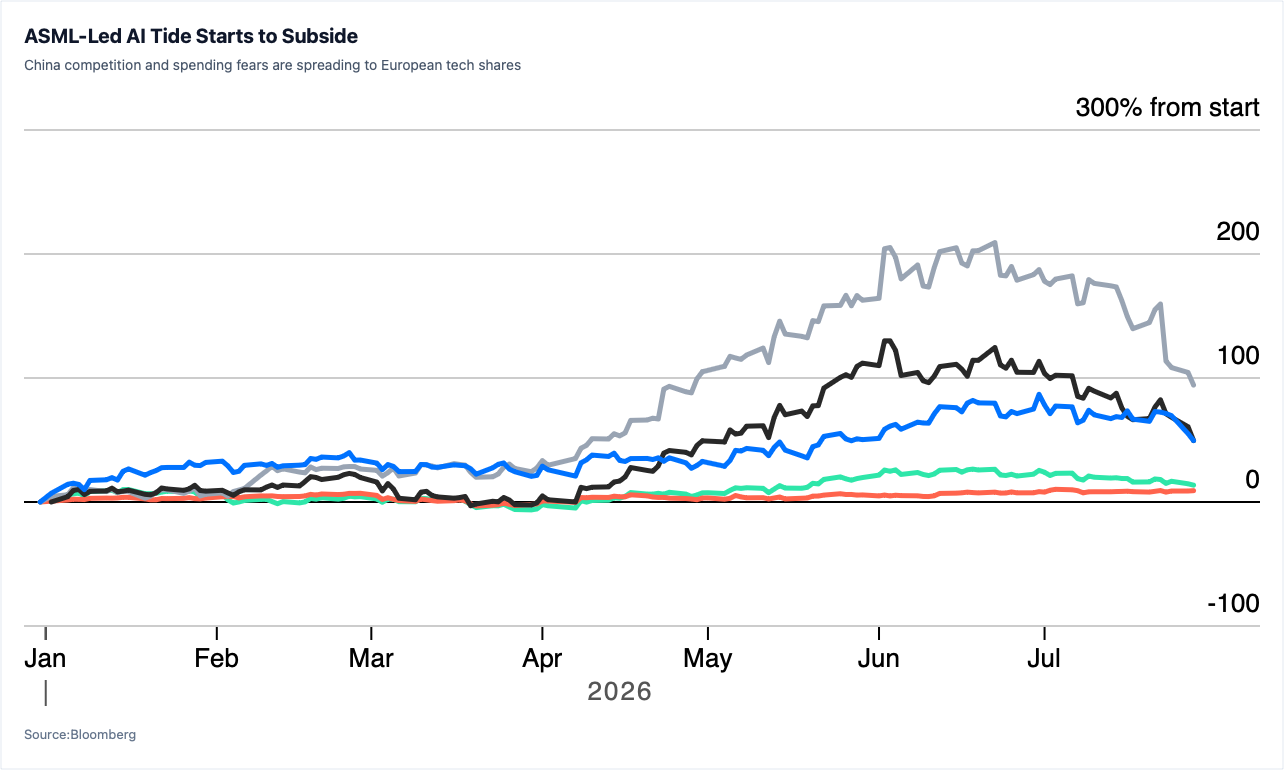
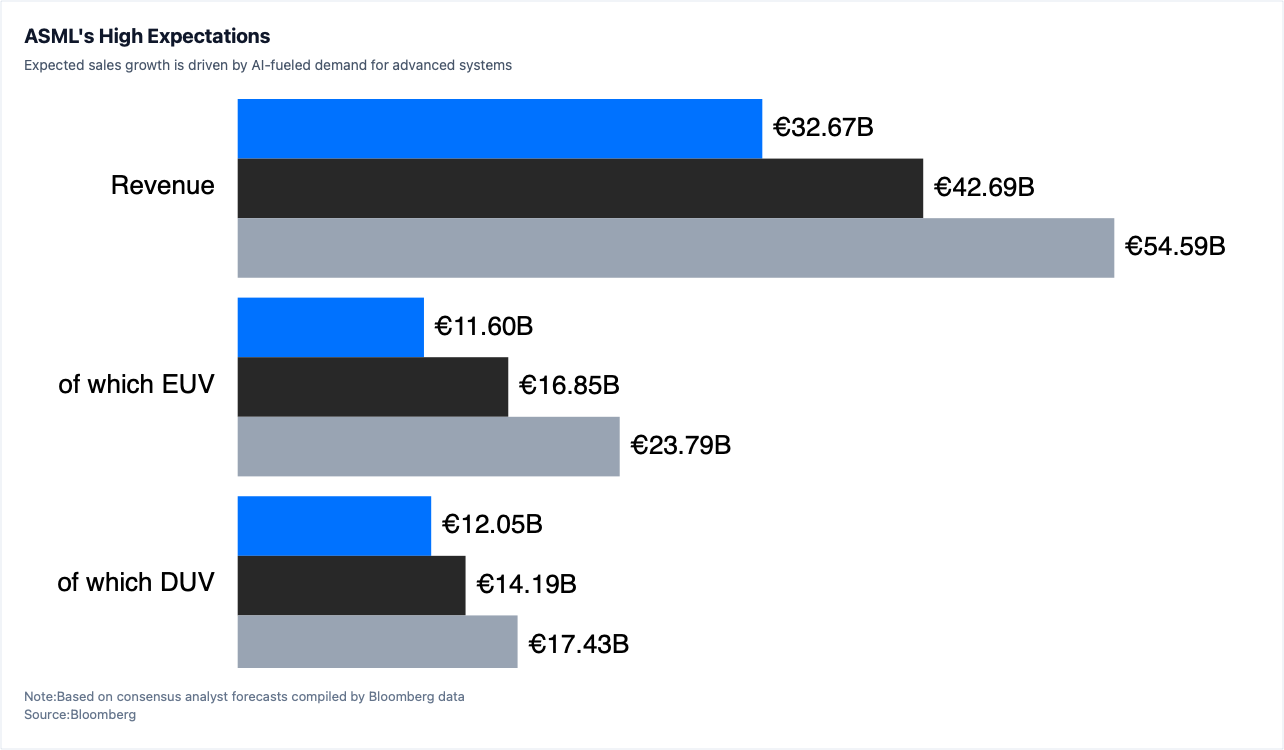
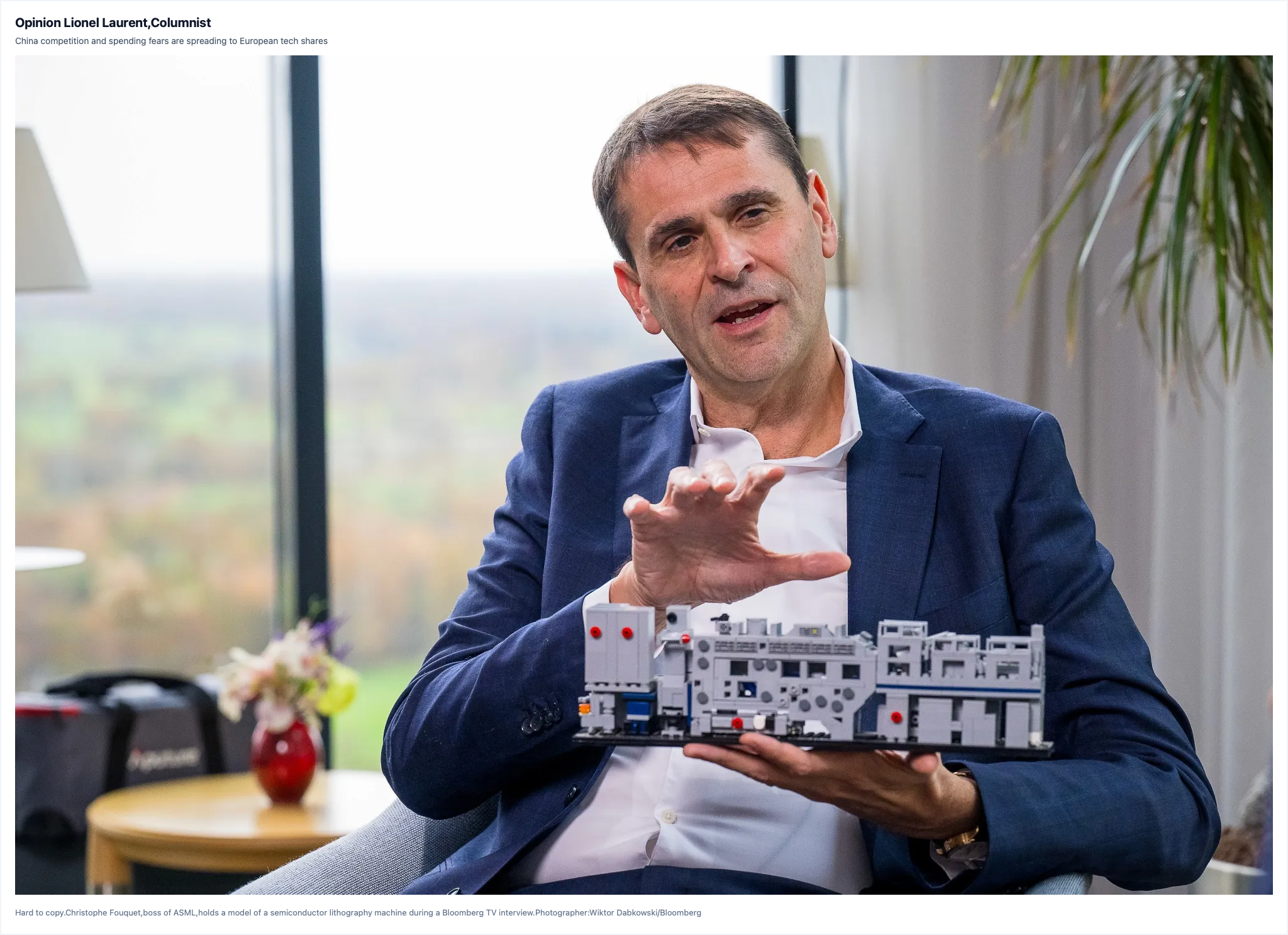
The Dutch company ASML dominates the global market for chipmaking equipment, holding a complete monopoly in extreme ultraviolet (EUV) technology. Despite anticipating strong revenue growth in 2026 driven by the artificial intelligence boom, the company's stock plummeted recently following reports that a Chinese firm is on the verge of mass-producing rival machines.
While analysts estimate it will take China at least seven to ten years to fully catch up to ASML's technological standards, this potential threat is an undeniable reality backed by the Chinese government. Ironically, US-led export controls intended to restrict China's technological advancement have instead accelerated its pursuit of independence, fueling the rapid rise of local competitors.
Facing competition from China, Europe's already meager influence in the global tech industry will be further compromised, making it easier for the US to pressure the region into adopting potentially self-harming export restrictions. To address this challenge, Europe must actively integrate and protect its chip ecosystem centered around ASML, securing its future competitive advantage by encouraging cross-border mergers and increasing research investments.