2月24日,赫格塞斯特向 Anthropic 下达最后通牒,要求其在2月27日前接受五角大楼对 Claude 的“在合法前提下不受限制使用”,否则将失去合同并面临供应链风险与《国防生产法》威胁。Anthropic 坚持两条红线:不得用于大规模国内监控,也不得用于自主武器。
其与国防部的直接合同不超过2亿美元,而 Anthropic 在2月的年化收入为140亿美元(约1.4%),但若 Claude 被更广泛地排除出五角大楼供应商体系,代价会大得多,这也显示出五角大楼在加压同时对其顶级模型的依赖。援引《国防生产法》这一做法虽在新冠等紧急时期出现过,但以如此对抗方式动用仍属罕见,说明双方都握有筹码。
竞争趋势上,OpenAI 的国防参与仍以间接和逐案审批为主,其与国防部的正式合同仅限非机密工作;马斯克的 xAI/SpaceX 与谷歌则更快进入机密场景。谷歌从2018年放弃 Project Maven 到2024年取消防务 AI 限制的转向,再加上对人才流失和致命用途合法性的担忧,体现了硅谷更亲五角大楼的变化,但信任风险仍持续存在。
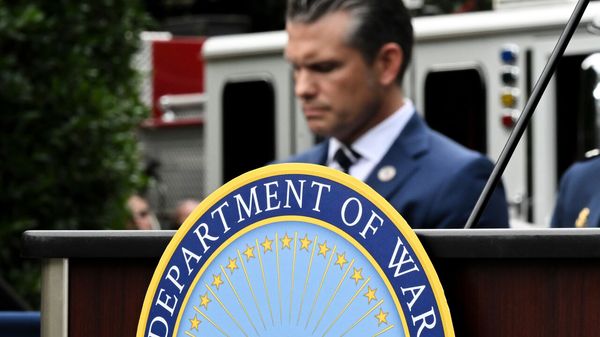
On February 24, Hegseth gave Anthropic an ultimatum to accept unrestricted lawful Pentagon use of Claude by February 27 or lose its contract and face supply-chain-risk and Defense Production Act threats. Anthropic holds two red lines: no mass domestic surveillance and no autonomous weapons.
Its direct DoW contract is worth no more than $200m versus Anthropic’s $14bn annualized February revenue (about 1.4%), but a broader supplier-wide exclusion of Claude would be far more costly, showing Pentagon dependence on a top model even while escalating pressure. Invoking the DPA, seen in emergencies like covid-19 but rarely in this adversarial form, indicates leverage on both sides.
The competitive trend is that OpenAI’s defense role remains mostly indirect and case-by-case, with formal DoW contracts only for unclassified work, while Musk’s xAI/SpaceX and Google are moving faster into classified settings. Google’s shift from quitting Project Maven in 2018 to dropping defense-AI restrictions in 2024, alongside concerns about talent loss and legality of lethal uses, marks a more pro-Pentagon Silicon Valley but persistent trust risk.
Source: Pete Hegseth wages war on Anthropic
Subtitle: Should AI labs unquestioningly obey the Pentagon’s orders?
Dateline: 2月 26, 2026 04:27 上午 | SAN FRANCISCO