世界正面临五年内第二次天然气冲击:2022 年俄罗斯削减对欧洲供气后,欧洲转向来自美国和中东的 LNG,价格飙升;如今海湾 LNG 供应也被切断,电价再次急升。可再生能源能降低暴露程度,但不能很快终结天然气。西班牙今年迄今只有 15% 的时间由天然气决定电价,而意大利为 89%;巴基斯坦太阳能发电占比从 2019 年的 0.7% 升至 2024 年的 10%,据一项分析,其今年余下时间的 LNG 进口账单因此可能少 60 亿美元。
核心约束是系统层面的,而非平均占比。即使一个电网 90% 依赖清洁能源、10% 依赖化石燃料,也不意味着两者稳定按该比例供电;更可能意味着在十分之一的时间里,几乎全部电力都来自化石燃料。原因在于太阳能和风能受天气支配,而电池目前主要只能平滑短期波动,无法在更长时段独立维持供电。水电受地理与降雨限制,欧洲 2022 年危机还被干旱放大;新核电站成本仍过高;铁空气电池和氢等长时储能仍处早期阶段。
因此,天然气进口国在未来几十年仍将暴露于供应中断,并必须维持 LNG 进口能力、储存、管道和发电产能。若全球天然气需求下降,供应可能更集中于少数低成本生产国,使市场更薄、更易出现急性短缺,甚至需要战略储备。降低依赖的办法包括更大、更智能的电网、分时电价、促进本地化价格信号,以及更强的跨区互联。这些措施可把需求转移到风光充足时段,激励储能投资,缓解拥堵。关键在于,把天然气作为备用的成本远低于把它作为日常主力能源。
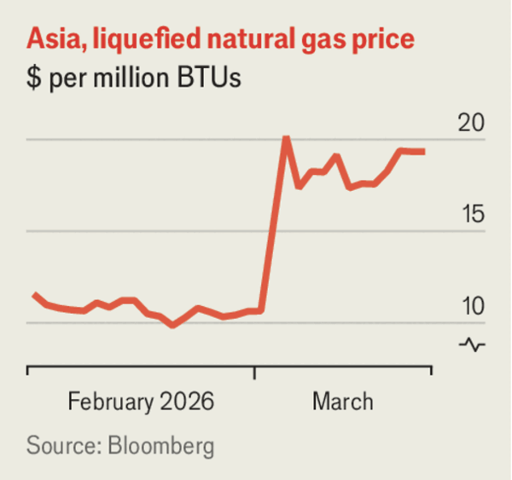
The world is facing its second gas shock in five years: after Russia cut flows to Europe in 2022, Europe turned to LNG from America and the Middle East, sending prices soaring; now Gulf LNG supplies have also been cut, pushing power prices up again. Renewables can reduce exposure, but they cannot eliminate gas soon. In Spain, gas has set power prices only 15% of the time this year, versus 89% in Italy; in Pakistan, solar’s share of generation rose from 0.7% in 2019 to 10% in 2024, likely cutting the rest of this year’s LNG import bill by $6bn.
The main constraint is systemic, not average shares. A grid that is 90% clean energy and 10% fossil fuels does not mean both sources supply power steadily in that ratio; it more likely means that for one-tenth of the time, nearly all electricity comes from fossil fuels. Solar and wind depend on weather, while batteries can mostly smooth short-term fluctuations, not sustain supply for longer periods. Hydropower is limited by geography and rainfall, with Europe’s 2022 crisis worsened by drought; new nuclear remains too expensive; and long-duration storage such as iron-air batteries and hydrogen is still immature.
Gas-importing countries therefore remain exposed to disruptions for decades and must maintain LNG import capacity, storage, pipelines and power plants. If global gas demand falls, supply may concentrate among a few low-cost producers, making markets thinner and shortages sharper, possibly requiring strategic reserves. Ways to rely less on gas include bigger, smarter grids, time-varying prices, local pricing signals and stronger interconnections. These can shift demand to sunny or windy hours, encourage storage investment and reduce congestion. The key arithmetic is that using gas as backup costs far less than depending on it for everyday energy.