美台军方正加紧推进代号为“地狱景象”的联合拒止防御构想,旨在借鉴乌克兰与中东实战经验,通过在台湾海峡部署数以万计配备惯性制导、图像识别及机载AI的廉价无人机、无人艇与水下潜航器,消耗解放军第一波防空反舰弹药并争取美军介入时间。随着现代无人作战系统重塑战场规则,美军战略学者将进攻方取得胜利所需的兵力火力优势门槛从传统的3比1急剧推高至20比1乃至30比1;然而,该计划面临严重的政治变数,特朗普不仅在5月访华时将对台军售视作对华交易筹码,并在9月24日习近平访美前夕搁置了国会1月份批准的140亿美元对台军售案。
在产能与装备采购层面,美台双方均面临严峻的脱节与供应链瓶颈。五角大楼计划到2027年采购20万架廉价无人机,但非中国制零部件短缺与测试积压严重拖累了进度,且伊朗冲突正迅速消耗美军的关键精确弹药与拦截器库存。台湾方面于8月采购了2,000架美制军用无人机,并确立在2032年前采购20.8万架本土攻击无人机和1,320艘自杀式无人艇的规划;然而由于国民党反对与预算拖延,台湾相关科研专家认为当前人力物力极度匮乏,实际防御规模需要高达400万架无人机与1万艘无人水面艇,台军内部亦担忧过度投资无人机将挤占“爱国者”导弹等传统高价值防空资产。
面对“地狱景象”,中国军方虽然在初期斥其为狂想并坚称自身在无人机全产业链产能上占据绝对优势,且派遣军官赴俄实操以获取对抗无人机的一手作战数据,但近期内部亦显现谨慎担忧。解放军反腐肃贪对实现2027年攻台准备目标构成压力,迫使中方重新评估舰载近程反无人机防御投资并修订跨海登陆预案。对于“地狱景象”的倡导者而言,该构想的核心目的并非证明能够全面击溃对手,而是通过不对称饱和损耗彻底打破速战速决的幻觉,以此建立起令北京不敢轻举妄动的战略威慑。
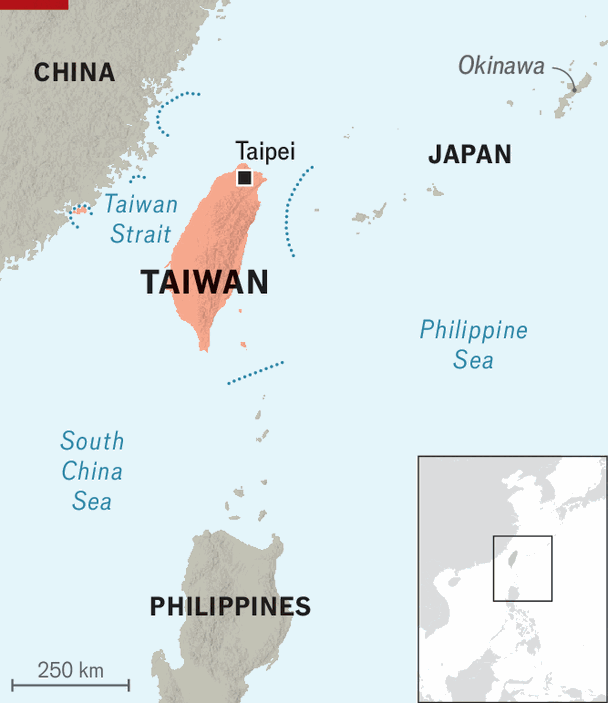
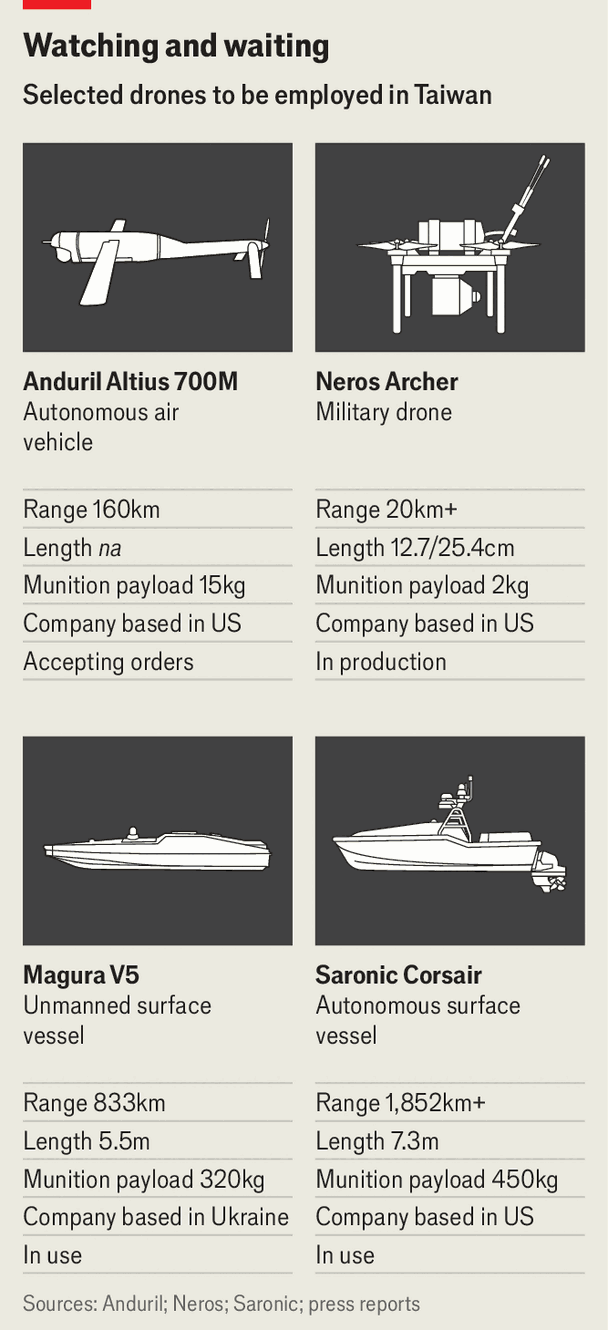
American and Taiwanese military planners are quietly accelerating the “Hellscape” strategy, an asymmetric denial doctrine designed to flood the Taiwan Strait with tens of thousands of autonomous aerial, surface, and undersea drones equipped with inertial guidance, optical recognition, and onboard swarming AI. Drawing on operational lessons from Ukraine and Iran, military analysts argue uncrewed systems have fundamentally altered combat doctrine, elevating the requisite attacking force advantage from the historic 3:1 ratio to 20:1 or even 30:1. However, political uncertainty looms under Donald Trump, who publicly framed Taiwan arms transfers as negotiating leverage during his May Beijing visit and stalled a $14bn congressional arms package ahead of Xi Jinping’s September 24th summit in Washington.
Industrial scaling and munitions capacity present substantial hurdles for both allies. Although the Pentagon plans to acquire 200,000 low-cost unmanned aerial vehicles (UAVs) by 2027 and reverse-engineered Iranian strike drones within 18 months, testing bottlenecks and severe dependencies on non-Chinese component supply chains hamper delivery, while American munitions stockpiles suffer depletion from military operations in Iran. Taiwan purchased 2,000 American military UAVs in August and targets procurement of 208,000 domestic strike drones and 1,320 explosive uncrewed vessels by 2032; however, domestic legislative resistance led by the Kuomintang delayed appropriations until August, and researchers contend Taiwan actually requires 4m UAVs and 10,000 naval drones to establish a credible deterrent without neglecting core investments in Patriot air defense batteries.
While official Chinese military outlets initially mocked Hellscape as unworkable rhetoric—boasting superior manufacturing scale and deploying personnel to Russia to glean front-line drone countermeasures—recent assessments within the People’s Liberation Army indicate mounting strategic recalibration. Lingering internal command purges complicate Mr Xi’s directive to achieve invasion readiness by 2027, compelling Chinese naval planners to redesign amphibious invasion doctrines and upgrade shipboard anti-drone defenses. Ultimately, Hellscape proponents emphasize that deterrence does not require outright tactical victory, but rather demonstrating to Beijing that an amphibious assault cannot achieve a rapid, low-cost fait accompli across the strait.
Source: China would face a “hellscape” in a war over Taiwa
Subtitle: Drones and artificial intelligence may give America an edge
Dateline: Sep 17th 2026\n