高市在周一表示,日本正于「各个层级」与中国沟通,并将基于国家利益作出回应;但中国外交部表示政策「不会因任何一场单一选举而改变」,并再次要求撤回;中国分析人士则认为她应利用胜选释出善意。此局势也落在唐纳德・川普(Donald Trump)的敏感时刻:高市预计下月赴白宫进行峰会,而川普预计在仅隔数周后,成为近 10 年来首位访华的美国总统;川普公开称赞她的「以实力求和平议程(Peace Through Strength Agenda)」,财政部长史考特・贝森特(Scott Bessent)也呼应以同盟框架表述。在国内方面,高市的自民党在国会取得 2/3 多数,使其得以启动修宪,她并暗示正筹备靖国神社(Yasukuni Shrine)参拜的条件,同时承诺推动就修改战后宪法进行全国公投。
即使在众议院拥有 2/3 席次,修宪仍需参议院批准并通过全国公投,因此即便会发生,程序也预计需耗时多年;中国评论人士警告,被鼓舞的日本可能扩大军费、寻求攻击性武器、重新审视其非核立场,并在台湾议题上变得更具挑衅性。历史被视为部分制衡因素:安倍晋三(Shinzo Abe)于 2012 回归、并在 2014 再次胜选,但习与安倍直到 2014 年末于 APEC 领袖峰会才会面,而投资与旅游人流其后也花了多年才恢复,暗示任何解冻都可能缓慢。文章强调台湾是比过去争端更难跨越的红线,引用中国在 2021 因「Taiwan」名称争议而降低与立陶宛的关系,并提到习上周敦促川普以「审慎(prudence)」处理对台军售;文中指出中国将于 2026-11 在深圳主办第 33 届 APEC 峰会,可能成为习与高市会谈的场域,而分析人士称北京将观察内阁人事、华府行程,以及对防务承诺的落实情况。
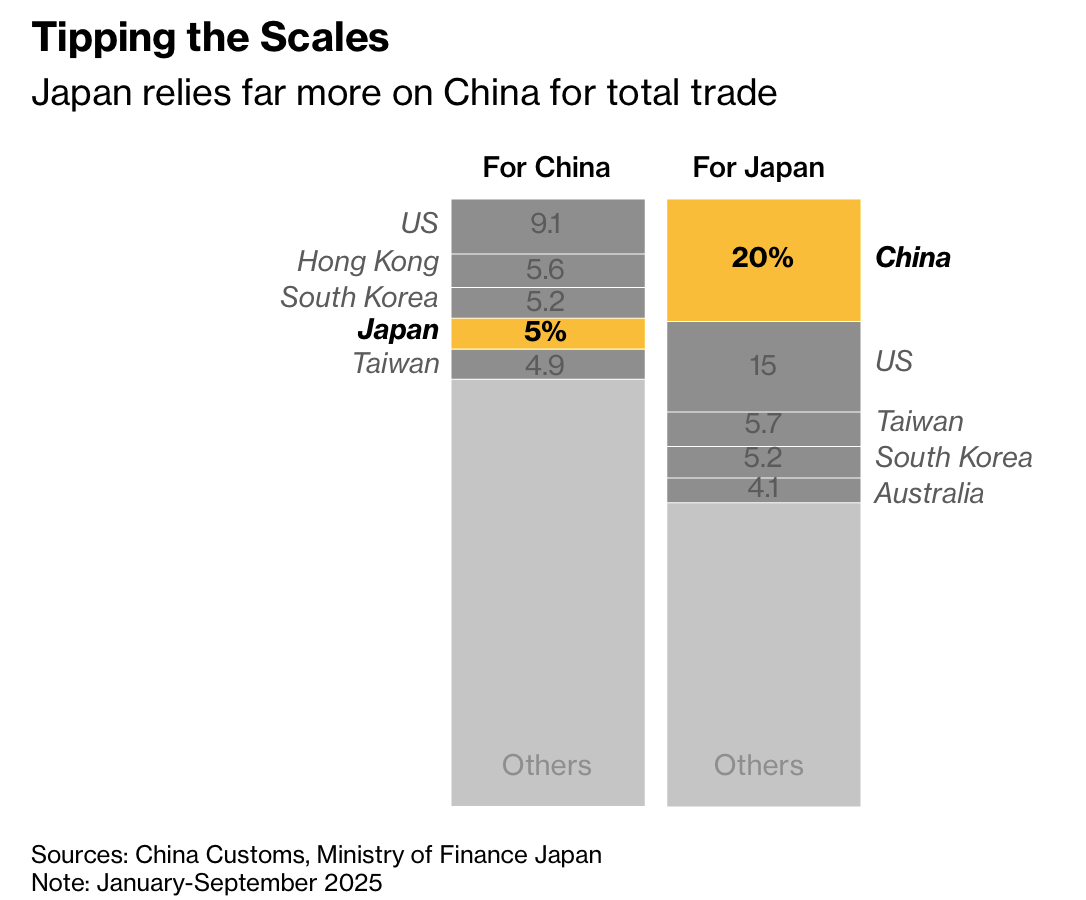
On 2026-02-10 at 07:53 (GMT+8), China’s Xi Jinping is described as facing a Japan dilemma after Prime Minister Sanae Takaichi won a snap election on 2026-02-08 with a historic majority, forcing Beijing to choose between re-engaging Japan or sustaining a deep freeze with the US’s top Asian ally. Since 2025-11, after Takaichi implied in parliament that a Chinese invasion of Taiwan could prompt Japan to deploy its military, China has applied economic pressure via export controls and tourism curbs, while Takaichi has said she wants stable ties but cannot retract without appearing to compromise security. Japanese officials cited her strong mandate as a reason China may eventually have to re-engage because her administration could last for the next few years.
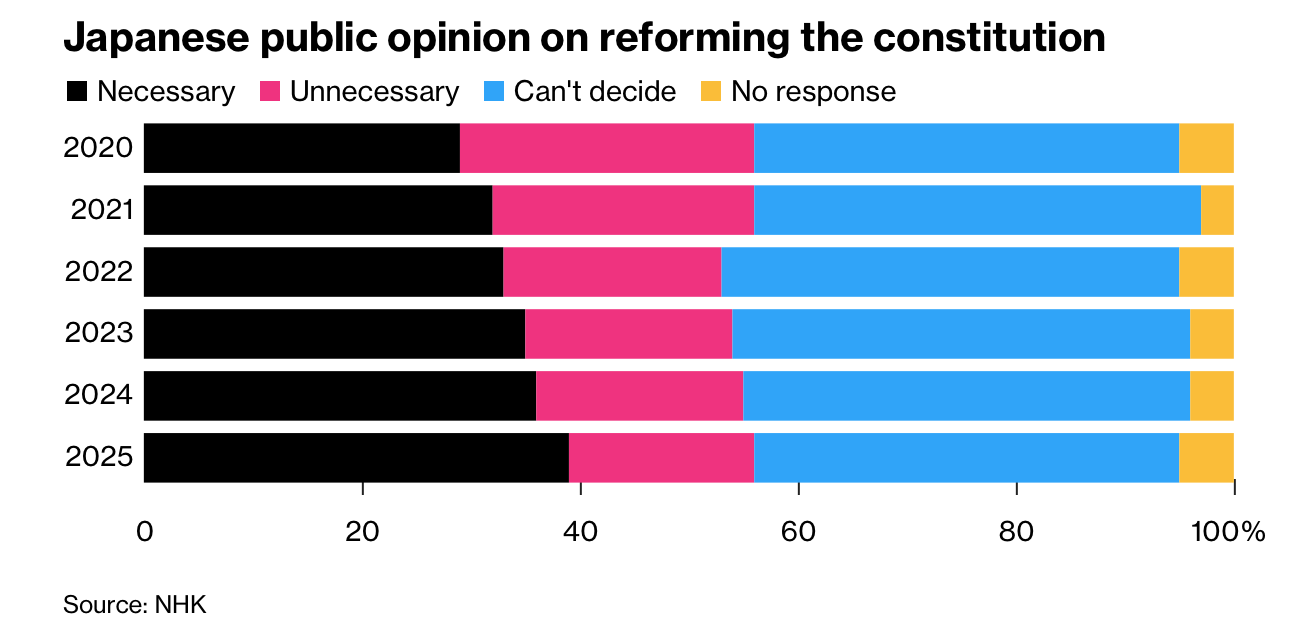
Takaichi said on Monday that Japan is communicating with China at “various levels” and will respond based on national interests, but China’s Foreign Ministry said policy “will not change because of any single election” and again demanded a retraction; Chinese analysts argued she should use her win to offer an olive branch. The situation also lands at a sensitive moment for Donald Trump: Takaichi is set to visit the White House for a summit next month, and Trump is expected to make the first visit of a US president to China in nearly 10 years only weeks later; Trump publicly praised her “Peace Through Strength Agenda,” and Treasury Secretary Scott Bessent echoed alliance framing. Domestically, Takaichi’s Liberal Democratic Party secured a 2/3 majority in parliament, enabling it to initiate constitutional change, and she signaled she is working on conditions for a Yasukuni Shrine visit while vowing to move toward a national referendum on amending the postwar constitution.
Even with a 2/3 lower-house position, constitutional revision still needs upper-house approval plus a national referendum, so the process is expected to take years if it happens at all, and Chinese commentators warned an emboldened Japan could expand military spending, seek offensive weapons, and revisit its non-nuclear stance while becoming more provocative on Taiwan. History is offered as a partial counterweight: Shinzo Abe returned in 2012, won again in 2014, yet Xi and Abe did not meet until late 2014 at an APEC leaders’ summit, and it then took years for investment and tourist flows to recover, implying any thaw could be slow. The article stresses Taiwan as a harder red line than past disputes, citing China’s 2021 downgrading of ties with Lithuania over the “Taiwan” name issue and noting Xi urged Trump last week to handle arms sales to Taiwan with “prudence”; China hosting the 33rd APEC summit in Shenzhen in 2026-11 is presented as a potential venue for Xi-Takaichi talks, while analysts say Beijing will watch cabinet picks, the Washington trip, and follow-through on defense pledges.