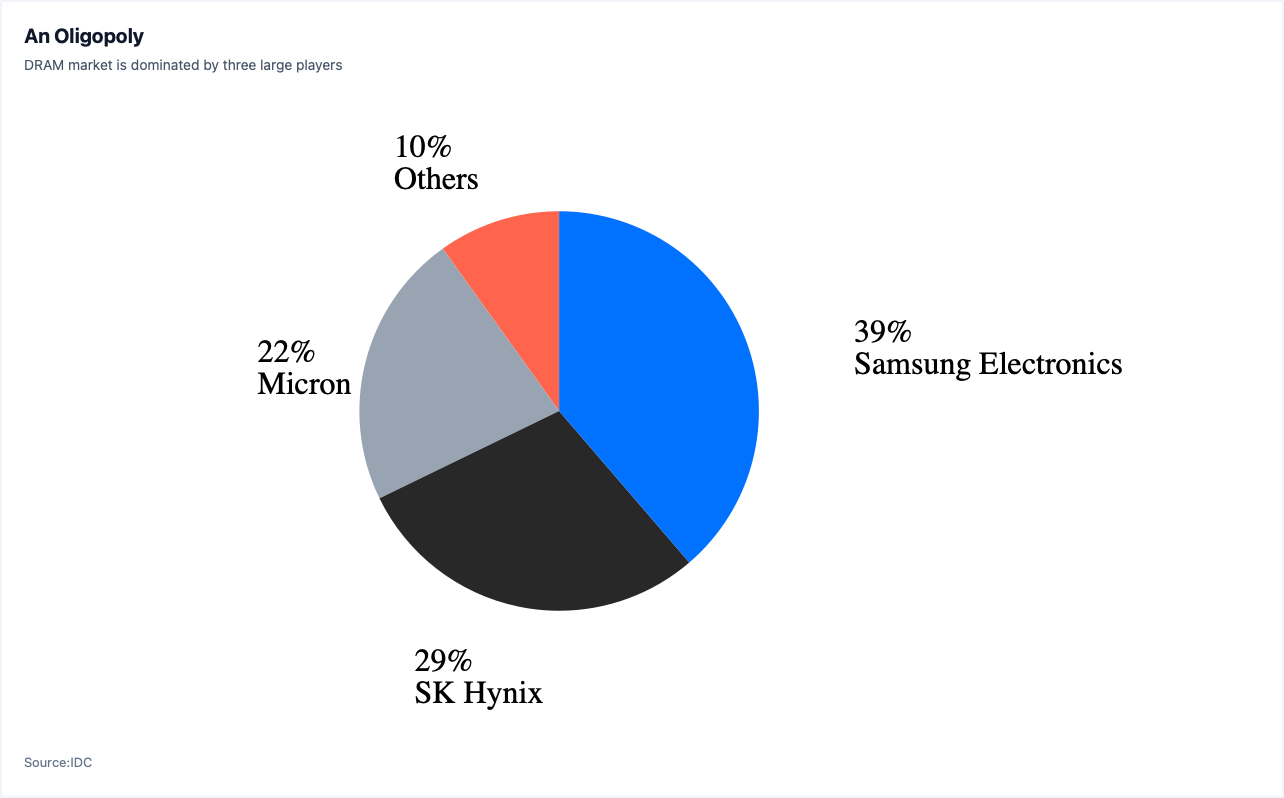
晶片市场的动态不仅受到宏观经济因素的影响,还牵涉到行业内的稀缺性和竞争格局。例如,动态随机存取记忆体(DRAM)市场主要由三星电子、SK海力士和美光科技三大巨头垄断,它们今年都获得了巨大的利润。然而,投资者也需要关注这些护城河的稳固程度,包括来自新兴竞争者的潜在威胁以及各国政府的反垄断调查。
在人工智慧晶片交易中,流动性与估值同样重要。市场资金流向,特别是散户投资者的动向,正在改变传统的市场秩序,这些市场信号与行业趋势一样关键。虽然决定是否投资半导体股票对资产管理者来说至关重要,但由于经历了强劲的上涨后市场可能面临多重风险,这项决策变得相当困难且充满挑战。
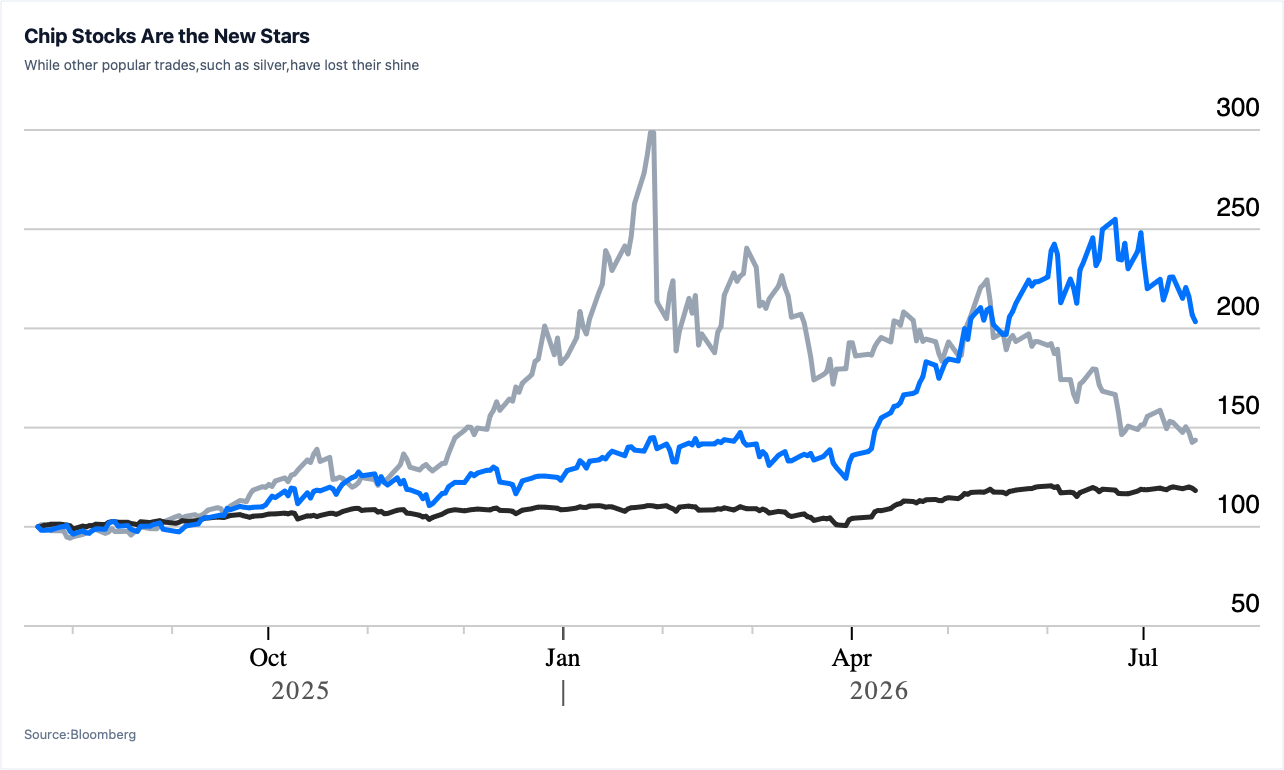
Investors are currently facing a major decision on whether to hold semiconductor stocks. Despite recent market pullbacks, the Philadelphia Semiconductor Index has significantly outperformed the S&P 500 this year. This rally in chip stocks is viewed as a macro trade, reflecting market optimism about an inflationary boom and global economic growth, while also showing investors' search for companies with strong economic moats in the artificial intelligence era.
The dynamics of the chip market are influenced not only by macroeconomic factors but also by scarcity and the competitive landscape within the industry. For example, the dynamic random-access memory (DRAM) market is mainly monopolized by three giants: Samsung Electronics, SK Hynix, and Micron Technology, all of which have reaped massive profits this year. However, investors also need to pay attention to the stability of these moats, including potential threats from emerging competitors and antitrust investigations by various governments.
In the AI chip trade, liquidity is just as important as valuation. Market capital flows, especially the movements of retail investors, are changing the traditional market order, making these market signals as crucial as industry trends. While the decision of whether to invest in semiconductor stocks is critical for asset managers, it has become quite difficult and challenging because the market may face multiple risks after such a strong rally.