克莱门特的这项悲观预测与市场普遍乐观的氛围形成鲜明对比,目前多数策略师仍预期股市具备上行空间,花旗等机构亦看好科技业获利增长。克莱门特指出,顽固的通膨与借贷成本上扬将冲击高达数千亿美元的AI资料中心基建资本支出,使投资人忽视的总体经济风险全面引发反扑,淡马锡国际投资长近期亦发出了类似的市场转向警讯。
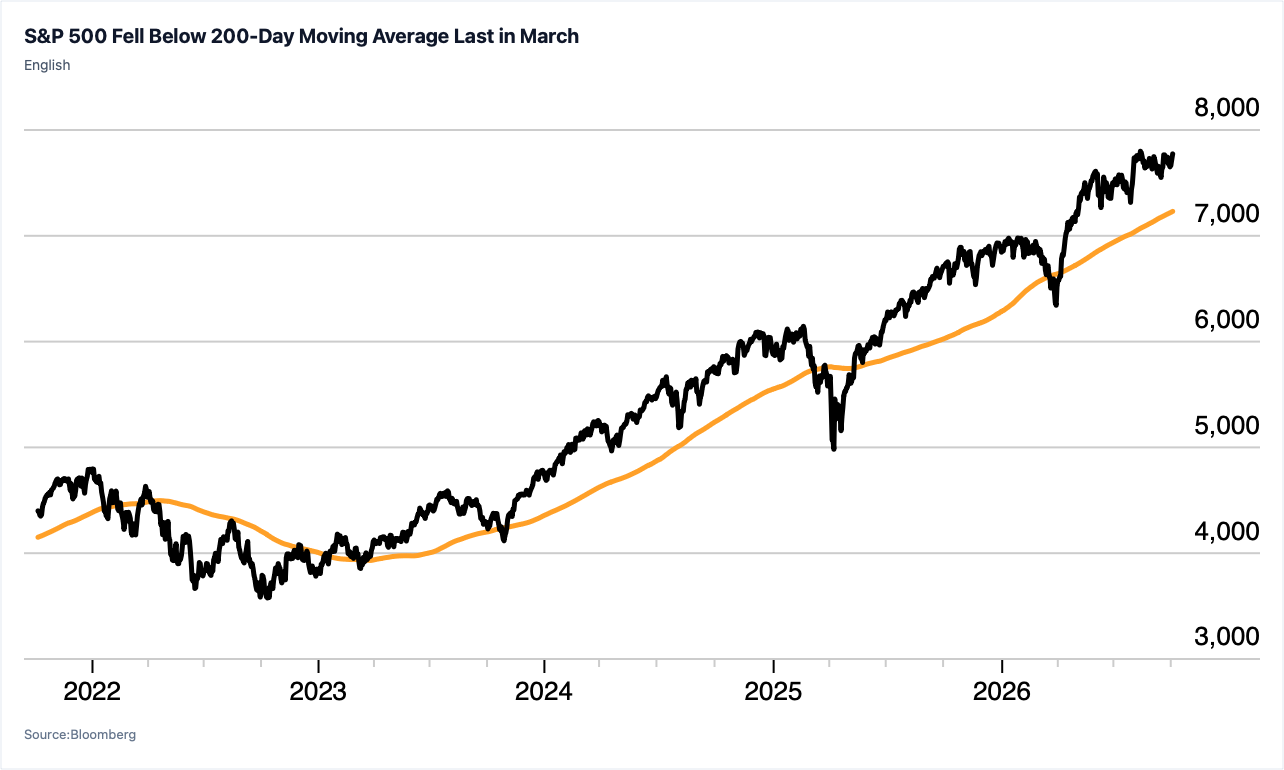
克莱门特坦言其预警可能显得超前,目前他并未建议投资人立即抛售股票,而是呼吁提早拟定应变计划与择时指标。他最关键的建议是,一旦标普500指数跌破200日移动平均线这一重要技术指标,投资人应立即采取全面防御策略,将资金转移至食品、烟草和制药等超防御型产业板块,以应对潜在的熊市冲击。
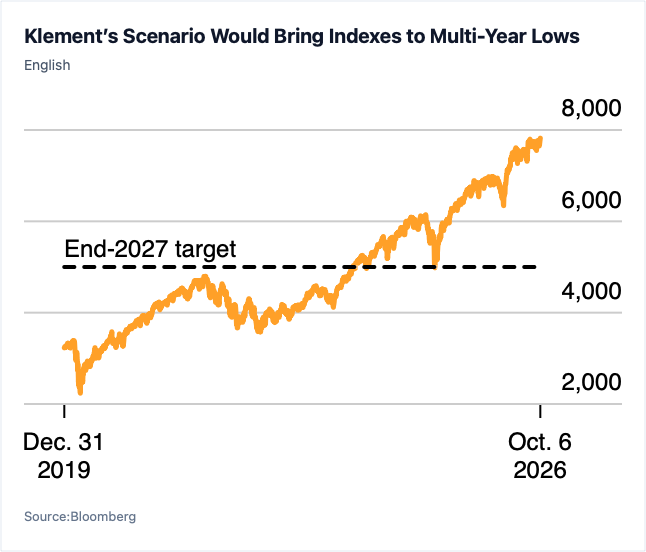
Joachim Klement, head of market strategy at London investment bank Panmure Liberum, has issued a stark warning that the artificial intelligence market rally could disintegrate within the next two years. He argues that hyperscalers' free cash flows are largely depleted while borrowing costs are rapidly rising to prohibitive levels, potentially sparking the most severe market crash since the global financial crisis and sending the S&P 500 down to 5,000 points by the end of 2027.
Klement's pessimistic outlook sharply contrasts with the broader market consensus, where most strategists expect double-digit upside and institutions like Citigroup anticipate solid corporate earnings to support continued equity gains. He cautions that persistent inflation and high debt financing costs could derail massive capital expenditures in AI infrastructure, warning that the market's singular focus on tech earnings causes investors to overlook severe macroeconomic and credit headwinds, a concern echoed by Temasek International.
Acknowledging that his warning might feel premature, Klement does not advise clients to liquidate holdings immediately, but rather urges them to establish contingency plans and market-timing indicators now. His primary recommendation is to pivot to a fully defensive stance if the S&P 500 falls below its 200-day moving average, reallocating capital into ultra-defensive sectors such as food, tobacco, and pharmaceuticals to cushion against an emerging bear market.