日本官员和投资者正致力于将最北端的主要岛屿北海道打造为该国下一个高科技中心,即“北海道硅谷”。这一愿景的核心在于成立于2022年的半导体公司Rapidus。在政府和大型企业联盟的支持下,Rapidus于2023年9月在千岁市动工建设首家晶圆厂,目前正在进行2纳米尖端芯片的试产。这被视为日本首相高市早苗推行新时代产业政策的样板。尽管台积电在九州设厂形成了完善的供应链,但Rapidus选择北海道主要是因为其丰富的水资源和巨大的海上风能潜力(预计到2040年北海道将生产全国三分之一的风电),且当地唯一的核电站也已获批重启以提供稳定的无碳电力。
此外,北海道还具备空间广阔、气候寒冷适合建立数据中心(如软银正在当地建设价值650亿日元的数据中心)以及远离台海冲突潜在波及区等地理多元化优势。一项研究表明,在2023年至2036年期间,半导体产业集群有望为北海道的GDP增加多达11.2万亿日元(约合700亿美元)。为了借鉴先进经验,北海道知事于2024年访问了纽约州奥尔巴尼的IBM研发中心。然而,这一宏伟蓝图面临着多重现实障碍,首先是人才匮乏,因为当地缺乏面向外籍人才子女的国际学校,且日本的薪酬标准落后于国际水平。
其次,北海道的供应链生态系统尚不成熟。制造业仅占北海道总产出的不到10%,远低于全国20%的平均水平。虽然有几十家半导体相关企业入驻,但大多只是设立了支持办公室,并未建设大型制造基地,业内普遍认为培育成熟的产业集群至少需要十年。最关键的变数在于Rapidus自身的商业化成功。与台积电大规模生产标准化芯片不同,Rapidus计划提供快速生产的定制化小批量AI芯片。尽管该战略在逻辑上可行,但Rapidus仍极其依赖政府补贴,目前政府已承诺提供超过150亿美元的资金支持。
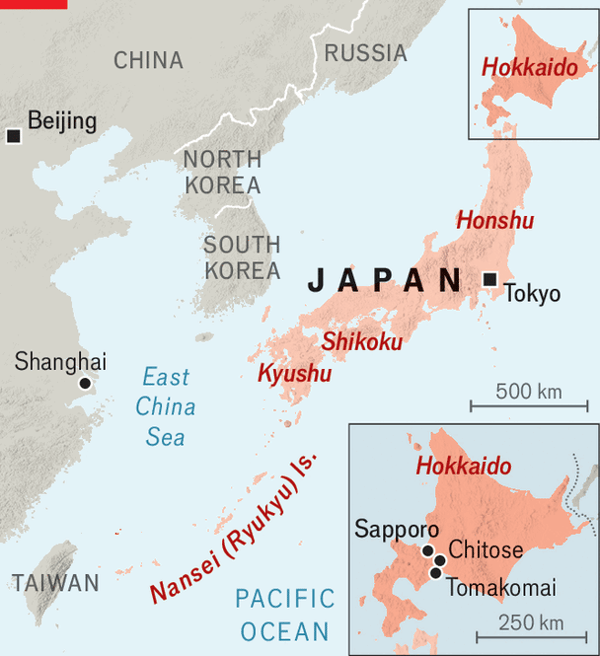
Japanese officials and investors are promoting Hokkaido as the country's next premier high-tech hub, dubbed "Hokkaido Valley." This vision centers on Rapidus, a government-backed chipmaker established in 2022 to reclaim Japan's semiconductor leadership. Supported by Prime Minister Takaichi Sanae's industrial policy, Rapidus broke ground on its Chitose fab in September 2023 and is piloting 2-nanometer chip production. The company chose Hokkaido over Kyushu—where TSMC operates two fabs—due to abundant water, spacious geography for multiple fabs, and massive wind energy potential, as Hokkaido is projected to generate one-third of Japan’s wind power by 2040.
Hokkaido’s cool climate has also attracted investments like SoftBank's ¥65 billion ($400 million) data center. Furthermore, producing chips in northern Japan provides strategic geographic diversification away from potential conflict zones near Taiwan and Kyushu. A regional development study estimates that the semiconductor cluster could add up to ¥11.2 trillion to Hokkaido's GDP between 2023 and 2036. To study successful models, Hokkaido’s governor visited IBM's R&D hub in Albany, New York, in 2024. However, the valley plan faces three major hurdles, starting with a severe shortage of engineering talent due to low Japanese salaries and a lack of local international schools.
Secondly, Hokkaido lacks a robust supplier ecosystem. Manufacturing accounts for less than 10% of the island's economic output, compared to 20% nationally, meaning a mature semiconductor cluster will take at least a decade to cultivate. Finally, the success of the entire venture hinges on Rapidus's commercial viability. Instead of copying TSMC's mass-production model, Rapidus plans to manufacture bespoke, small-batch AI chips. While this customized strategy is plausible, Rapidus relies heavily on state support, with the Japanese government already pledging over $15 billion in subsidies to keep the project afloat.
Source: Can cutting-edge semiconductors supercharge Japan?
Subtitle: Visions of a high-tech hub in Hokkaido hinge on a single government-backed firm
Dateline: Jul 09, 2026 06:32 AM | CHITOSE AND SAPPORO