在2月20日的“Learning Resources v Trump”案中,特朗普任命的三位大法官出现2比1分裂,最终法院以6比3否决其去年春季的全面关税。罗伯茨首席大法官的多数意见仅21页,但再加上5份协同/异议意见后总长度达170页,约为8.1倍,并使口头辩论到宣判间隔拉长到107天。
尽管法院在2024年的两起关键案件中帮助特朗普(保住候选资格并扩大刑事豁免),且在2025年又给出近24次临时胜利(包括影响近100万人移民保护的裁定),这种支持并非单向上升。法院在去年4月和12月分别就正当程序与国民警卫队动员问题进行反制,显示其在第二任期首个完整实体案中的“红线”仍然有效。
争点核心不是关税效果,而是“重大问题原则”是否要求国会作出明确授权:此前6名保守派曾用它限制拜登政策,这次其中一半(3人)也据此限制特朗普。与此同时,3名自由派在不援引该原则下得出相同结论,另3名保守派则支持关税并强调外交事务例外,呈现出从党派对齐转向权力边界精细校准的统计性趋势。
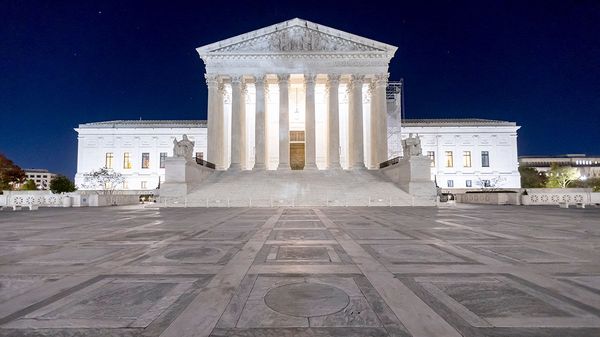
In Learning Resources v Trump on February 20, Trump’s three appointees split 2-to-1, and the Court ultimately struck down his sweeping spring-2025 tariffs by a 6-3 vote. Chief Justice Roberts’s majority ran only 21 pages, but five additional concurring/dissenting opinions expanded the total to 170 pages, about 8.1 times longer, and stretched the wait from argument to decision to 107 days.
Although the Court aided Trump in two major 2024 cases (preserving ballot access and broadening criminal immunity) and then delivered nearly two dozen interim wins in 2025 (including rulings affecting protections for nearly 1 million migrants), that support is not a one-way upward trend. Pushbacks in April and December on due process and National Guard mobilization show persistent judicial red lines in the first full merits case of his second term.
The central dispute was not tariff efficacy but whether the major-questions doctrine requires clear congressional authorization: all six conservatives had used it to curb Biden initiatives, and this time half of them (3 of 6) used it to curb Trump. At the same time, three liberals reached the same bottom-line result without invoking the doctrine, while the other three conservatives upheld tariffs under a foreign-affairs rationale, indicating a statistical shift from partisan alignment toward finer calibration of institutional power boundaries.
Source: The Trump court? Not quite
Subtitle: The tariffs ruling reveals justices split over doctrine, not Donald Trump
Dateline: 2月 26, 2026 04:27 上午 | New York