这样的提议凸显出北京在推动开源模型与维护国家安全之间的两难。中国国家主席习近平近期强调了在发展与安全之间取得平衡的必要性,并呼吁加强监管以确保人工智慧受人类控制。官方也已与阿里巴巴等开发商讨论如何降低强大人工智慧系统的风险,其中包含限制外国存取顶级模型的可能性。
此时正值中国人工智慧模型在华盛顿面临越来越严格的审查,美国官员指控中国开发者利用美国智慧财产权。中国官媒对此予以反击,主张可修改的中国开源模型对全球人工智慧发展有其贡献,并强调未来的关键在于选择分级治理而非无差别封锁。
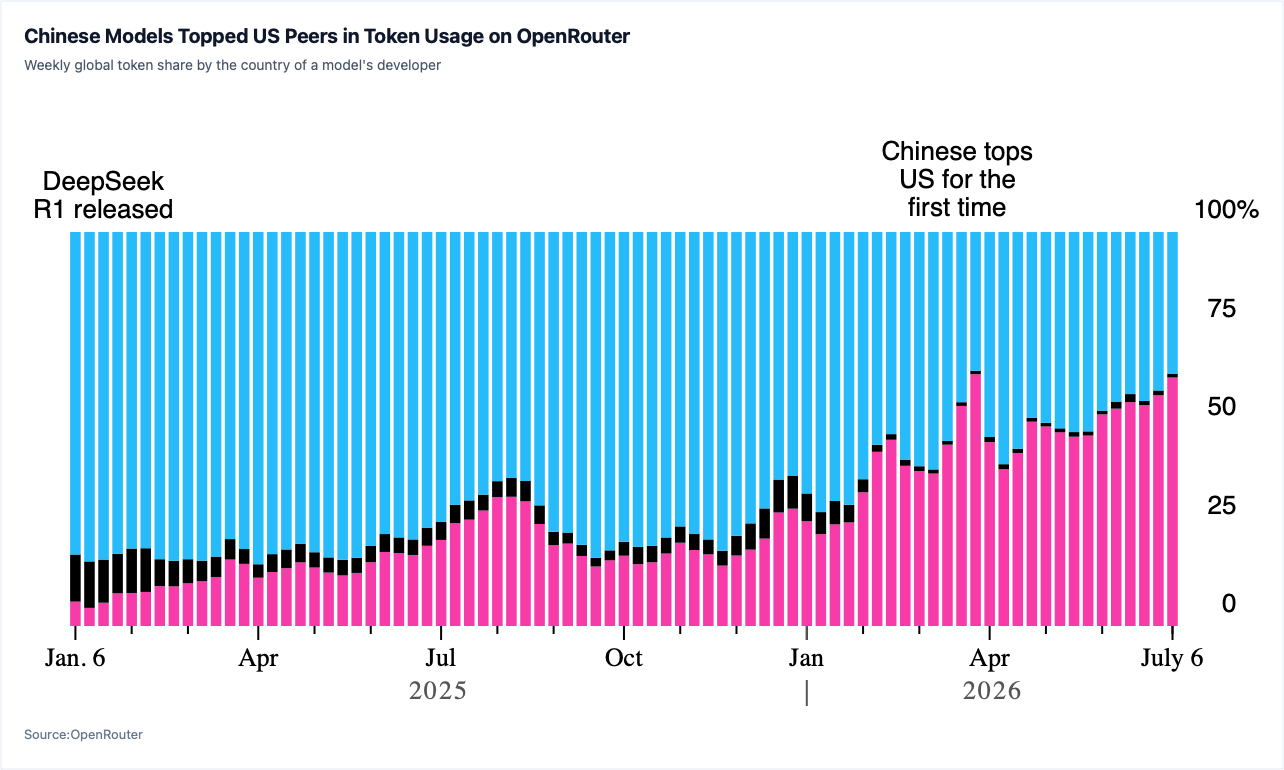
Chinese state media has suggested restricting access to the most powerful features of artificial intelligence models, highlighting the limits of Beijing's support for open technology. The commentary proposed a tiered release system based on capabilities and potential risks: foundational features can be open, frontier capabilities limited, commercial services closed-source, and high-risk features subject to access controls and safety evaluations.
This proposal underscores the tension between Beijing's promotion of open-source models and its ongoing focus on national security. President Xi Jinping recently emphasized the need to balance development and security, calling for stronger regulations to keep AI under human control. Officials have also discussed risk mitigation strategies with developers like Alibaba, including potential restrictions on foreign access to top-tier models.
This development occurs as Chinese AI models face mounting scrutiny in Washington, with US officials accusing Chinese developers of exploiting American intellectual property. Chinese state media pushed back against these claims, arguing that modifiable open-source models contribute to global AI advancement and asserting that the future lies in tiered governance rather than indiscriminate blocking.