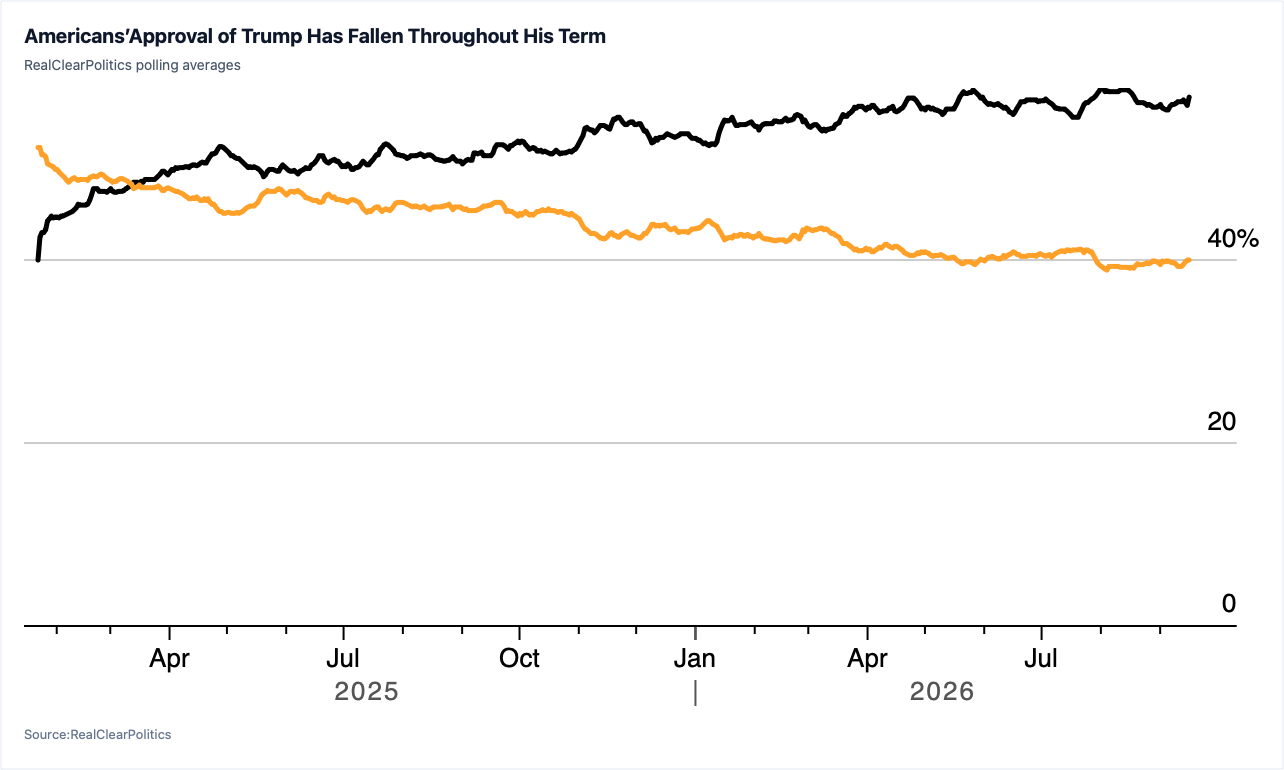
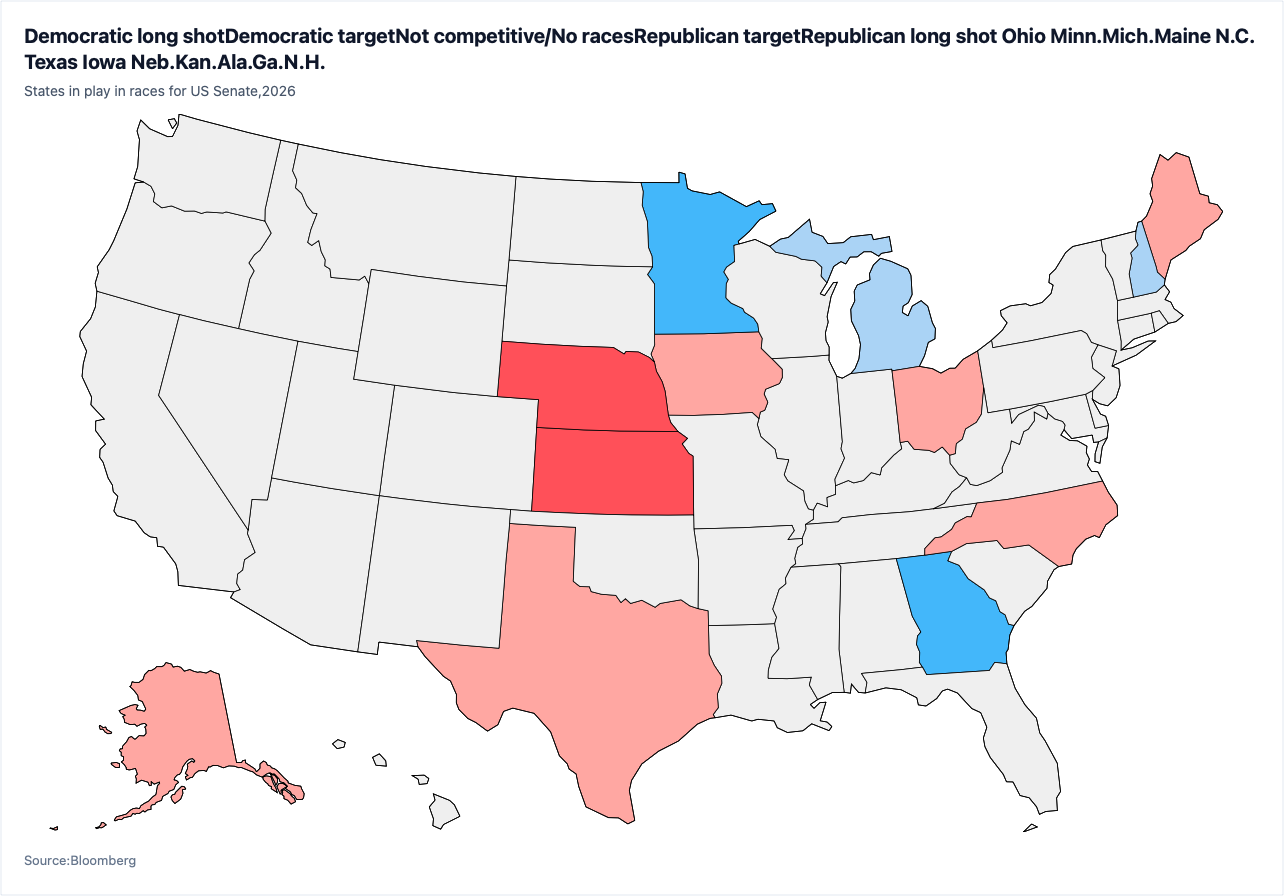
面对即将到来的期中选举与陷入泥淖的伊朗战事,白宫内部正面临严峻考验。尽管民调下滑且战局受阻,川普依然坚信自身直觉凌驾于所有数据之上,私下虽感挫折却将自身与共和党选情划清界限,更在各项政策与争议中表现出疏离态度。此外,副总统范斯虽曾冒险反对伊朗战争而引发川普不满,但其政治前途仍完全系于川普的背书,反映出行政团队内部复杂的权力博弈。
展望选后局势,若民主党夺下国会多数席次并启动调查传票,白宫极可能采取全面拖延与漠视的对抗手段,而川普对特赦权力的广泛运用亦将进一步加剧体制冲突。哈伯曼认为,川普的施政风格正在从根本上重塑美国的总统制度,大幅冲击二战后的政治秩序与国际信任,若未来的权力制衡机制无法有效发挥约束力,这种扩张行政权力的治理模式将引发更深远的体制变革。
In this interview, veteran journalist Maggie Haberman provides deep insight into Donald Trump's political evolution and the inner workings of his second-term White House, tracing his trajectory from a tabloid celebrity to a dominant political figure who channeled post-financial-collapse grievances. Drawing from her book Regime Change, co-authored with Jonathan Swan, she describes a remarkably cloistered administration controlled by a tight circle of loyal aides who insulate the president within an unreality bubble of curated positive feedback, alongside unprecedented concerns regarding the commercialization and monetization of executive office.
With midterm elections approaching and the war in Iran failing to unfold as planned, the administration confronts mounting internal strain and public dissatisfaction. Rather than confronting deteriorating polling or military constraints, Trump relies on his unwavering trust in his own instincts, voicing private frustration over the conflict while distancing himself from generic Republican candidates on the campaign trail. Meanwhile, Vice President JD Vance's political survival remains tightly bound to Trump's patronage, despite having risked political capital by voicing rare opposition during the critical lead-up to the war.
Looking toward a potential Democratic resurgence in Congress, Haberman foresees an unpredictable political landscape marked by likely administrative resistance to subpoenas and sweeping applications of unilateral presidential pardons. She concludes that Trump is fundamentally reimagining the American presidency by discarding long-standing constitutional norms, a transformation that destabilizes the post-World War II global order and poses lasting challenges for the traditional checks and balances meant to restrain executive authority.