塞内加尔财政局势极其紧绷,3月13日塞内加尔勉强避免了外债违约,通过凑齐约5亿美元支付了两笔欧元债券。即便如此,政府仍对双边债权人逾期,并在未来两年内面临多笔到期债务,若不及时调整,风险可能进一步上升。
最新审计将2023年财政赤字修正为GDP的12.3%,远高于官方此前公布的4.9%,并将公共债务重估为130亿美元(约占GDP的99.7%);国际货币基金组织估算该比例已达130%,并已暂停1.8亿美元专项项目。评级机构将塞内加尔债券下调为垃圾债,表明融资成本与市场信任同步恶化。
塞内加尔领导层把“审计披露”视为反腐胜利,但政府没有按既定政治承诺向学生、教师和小企业提供更多支持,而是采取提高税负、暂停部分基础设施、取消合同并裁撤19个机构等措施,并增加对区域储备池借款。与此并行,去年开始出口石油和天然气、通过短信动员国内债券购买,并吸引中东与中国投资,但燃油出口升温需要时间、税改在高比例非正式经济中短期效果有限,且教师罢工与学生抗议已出现,甚至出现因抗议致命伤亡的迹象,社会压力正在上升。
Senegal’s public finances are under severe strain: on March 13, it narrowly avoided default on external debt by raising about $500 million to pay two Eurobond holders. It remains behind on payments to bilateral creditors and faces several more bond maturities in the next two years, so fiscal stress could intensify without policy change.
A revised 2023 audit put the budget deficit at 12.3% of GDP versus the official 4.9%, and re-valued public debt at $13 billion, or 99.7% of GDP, while the IMF now estimates debt at 130% and has suspended its $1.8 billion program. Credit quality has deteriorated as rating agencies moved Senegal’s bonds to junk status, signaling higher financing costs and lower market confidence.
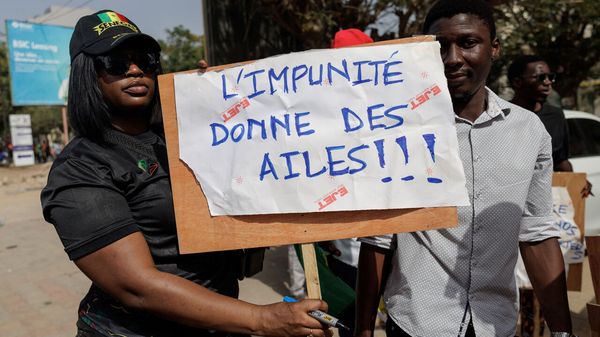
Despite calling the audit a transparency win, President Bassirou Diomaye Faye and Prime Minister Ousmane Sonko have focused on tax hikes, pausing infrastructure, canceling contracts, dissolving 19 agencies, and leaning on WAEMU support, where borrowing last year was ten times three years earlier. Fuel and gas exports, domestic bond campaigns, and Gulf/Chinese investment plans are medium-term measures, while new taxes are politically costly and hard to yield quickly in a largely informal economy, and social strain is rising amid teacher strikes and student protests including one death.
Source: Senegal’s government denies the gravity of its debt crisis
Subtitle: Its refusal to consider an IMF plan may make things worse
Dateline: 4月 01, 2026 03:22 上午 | DAKAR