自1868年批准第十四修正案以来,美国公民身份核心规则是血统与出生地并行中以出生地主义为主,约有30个其他国家也主要采用出生地原则,而非血缘。特朗普在其第二任期第一天签署第14160号行政命令,拟将出生于美国的无证移民或临时签证持有人子女排除在自动公民资格之外,且至少有四位联邦法官在包括马里兰州、马萨诸塞州和新罕布什尔州的案件中认为该政策明显违宪。
在最高法院于 Trump v CASA 一案中缩小全国性禁令效力之后,行政部门将争议从全面禁令转为更狭窄的路径,随后同意审理 Trump v Barbara,案件争点集中在第十四修正案中的六个词——“且受其管辖”。政府方主张临时访客与无证移民的父母未完全受美国政治管辖,因此子女不具备出生地公民权所需“忠诚”;挑战方则认为条文、成文法以及现行司法传统都指向相反结论。
反对方主要依赖1898年的 United States v. Wong Kim Ark 案例:即使其中国籍父母受禁于入籍,出生于旧金山的子女仍被认定为美国公民,而该原则在一个多世纪内仅在入侵军人、外交官及原住民(直至1924年才获国会赋予公民权)等有限例外下成立。尽管有少数字法学者支持政府提出的基于“居所”与“忠诚”关系的理论,司法史学者与多数专家模型仍预计政府将以5比4或6比3落败,但更广泛的趋势是法院近期频繁推翻既定先例,这使结果仍存在制度性不确定性。
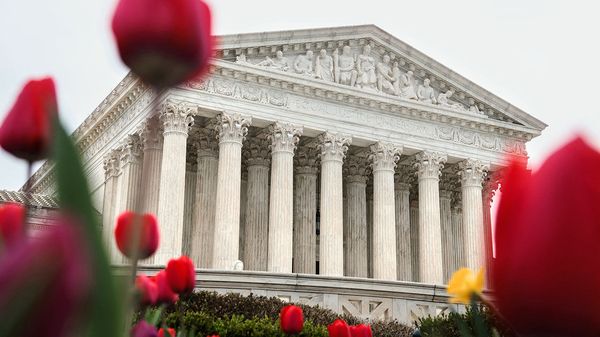
Since the 14th Amendment was ratified in 1868, U.S. citizenship has been based on birth as a core rule, a model shared by about 30 countries that rely primarily on birthplace rather than blood. On the first day of his second term, Trump issued Executive Order 14160 to exclude babies born in the U.S. to undocumented immigrants or temporary visa holders, and at least four federal judges— including courts in Maryland, Massachusetts, and New Hampshire—described the policy as plainly unconstitutional.
After the Supreme Court’s Trump v CASA ruling narrowed the effect of nationwide injunctions, the administration shifted strategy toward a narrower route, and the Court agreed to hear Trump v Barbara, where the dispute turns on the six words in the 14th Amendment: “and subject to the jurisdiction thereof.” The administration says temporary visitors and undocumented parents are not fully under U.S. political jurisdiction and so their children lack the allegiance needed for birthright citizenship, while challengers say the text, statutory history, and modern doctrine point the opposite way.
Opponents rely heavily on United States v. Wong Kim Ark (1898), which recognized a child born in San Francisco to Chinese parents as a citizen despite their immigration barriers, with only narrow exceptions for invading soldiers, diplomats, and Native Americans until 1924. Although a few scholars endorse the government’s domicile-based “allegiance” argument, most experts and forecasting models place the administration on the losing side by a 5-4 or 6-3 vote, even as the Court has shown a recent willingness to revisit long-settled precedents.
Source: Our prediction for how SCOTUS will rule on birthright citizenship
Subtitle: Will the Trump administration lose another high-profile case?
Dateline: 4月 02, 2026 01:03 上午 | New York