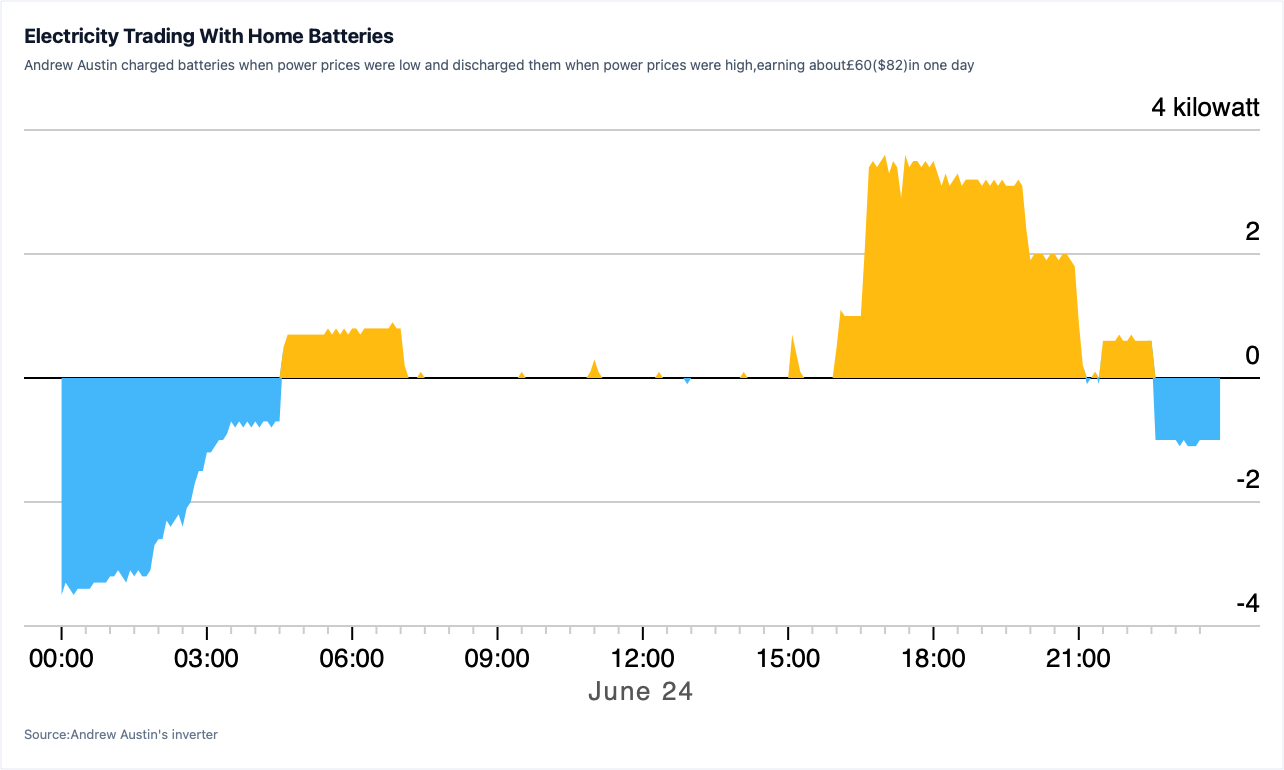
许多具备技术背景或善用人工智慧工具的民众,正透过电脑程式自动化执行电力套利策略。他们在电价低廉甚至为负值时将电力充入家用电池,并在日落后用电尖峰、批发电价高涨时将电力回售给电网,不仅大幅抵消了家庭电费支出,甚至能在数小时内赚取相当于单月水电费的利润,展现了由下而上的分散式能源管理潜力。
然而,这种自主交易模式也面临电网基础设施承载力限制、潜在演算法故障以及不同国家监管法规差异等挑战。针对不想自行撰写交易程式的用户,虚拟电厂模式应运而生,整合分散各户的储能容量在电网吃紧时统一调度并分享收益,使清洁能源储存设备在协助稳定电网的同时,也为家庭创造稳定的经济回报。
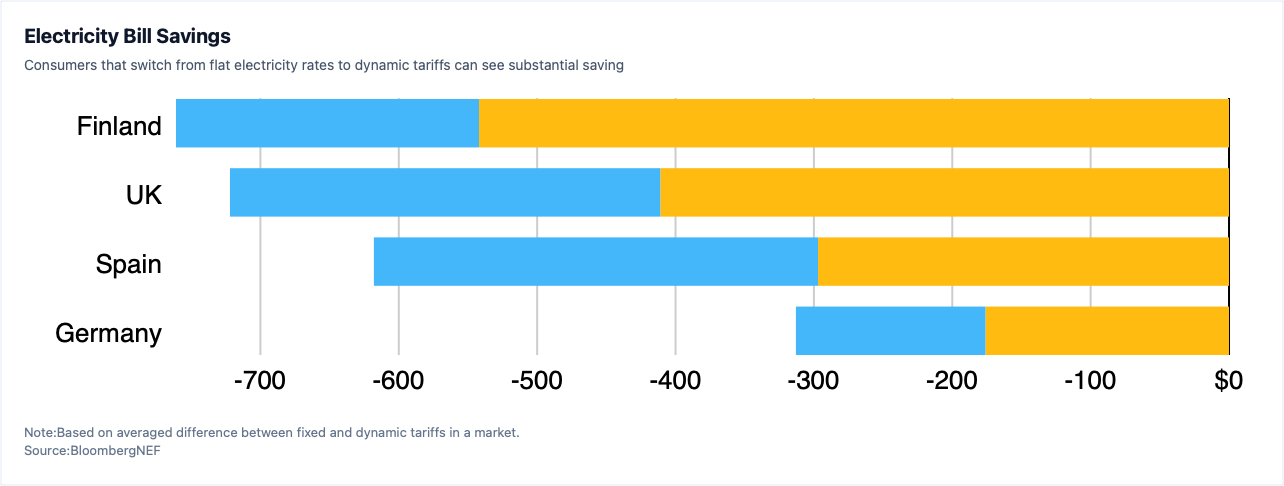
Driven by soaring energy prices from geopolitical conflicts and the plummeting costs of green technologies, an increasing number of households worldwide are installing rooftop solar panels and home batteries. The traditional relationship where utilities merely sell power to consumers is fundamentally shifting, as forward-thinking regulatory frameworks introduce dynamic pricing that allows everyday individuals to turn market volatility into financial opportunities.
Many tech-savvy residents and those leveraging artificial intelligence tools are now automating electricity arbitrage strategies with home computers. By charging their batteries during periods of cheap or negative electricity rates and discharging back to the grid during evening peak-demand hours when prices spike, these homeowners not only offset their utility bills but can also generate substantial profits within just a few hours.
Nevertheless, this grassroots energy trading faces challenges such as local grid capacity constraints, risks of automated algorithmic errors, and varying regulatory caps across jurisdictions. For consumers seeking passive returns without programming trading bots, virtual power plants have emerged as a viable solution, aggregating household batteries to support the wider grid during peak strain while delivering financial dividends to participating owners.