美国发布的主席声明强调各国应同意「消除加剧失衡的非市场政策与做法」,并涉及关键矿产供应链和债务重组等议题;对此,中国财政部和商务部强烈反驳,指责美方利用G20等多边平台炒作产能过剩与经济失衡问题,实质是为了合理化保护主义并遏制中国发展。中国央行行长潘功胜亦指出,保护主义抬头、泛化国家安全以及政策不可预测性才是恶化全球失衡的主因,呼吁逆差国缩减财政赤字并提高储蓄率,顺差国则应相应提振消费与投资。
庞大的贸易顺差与补贴争议一直是中美关系的核心痛点,贝森特批评中国以抑制内需、依赖出口来推动增长,并指控中国将约4%的GDP用于工业补贴,甚至点名比亚迪等电动车企享有高额补贴。然而,中国官方驳斥了依赖不公平国家支持的说法,并透过白皮书反击美国与欧盟自身亦对电动车和人工智慧进行大量补贴,指责美方的批评是标准的双重标准。此次争端充分反映出全球前两大经济体之间的紧张局势,尤其在即将登场的美中领导人华盛顿峰会前夕更显敏感。
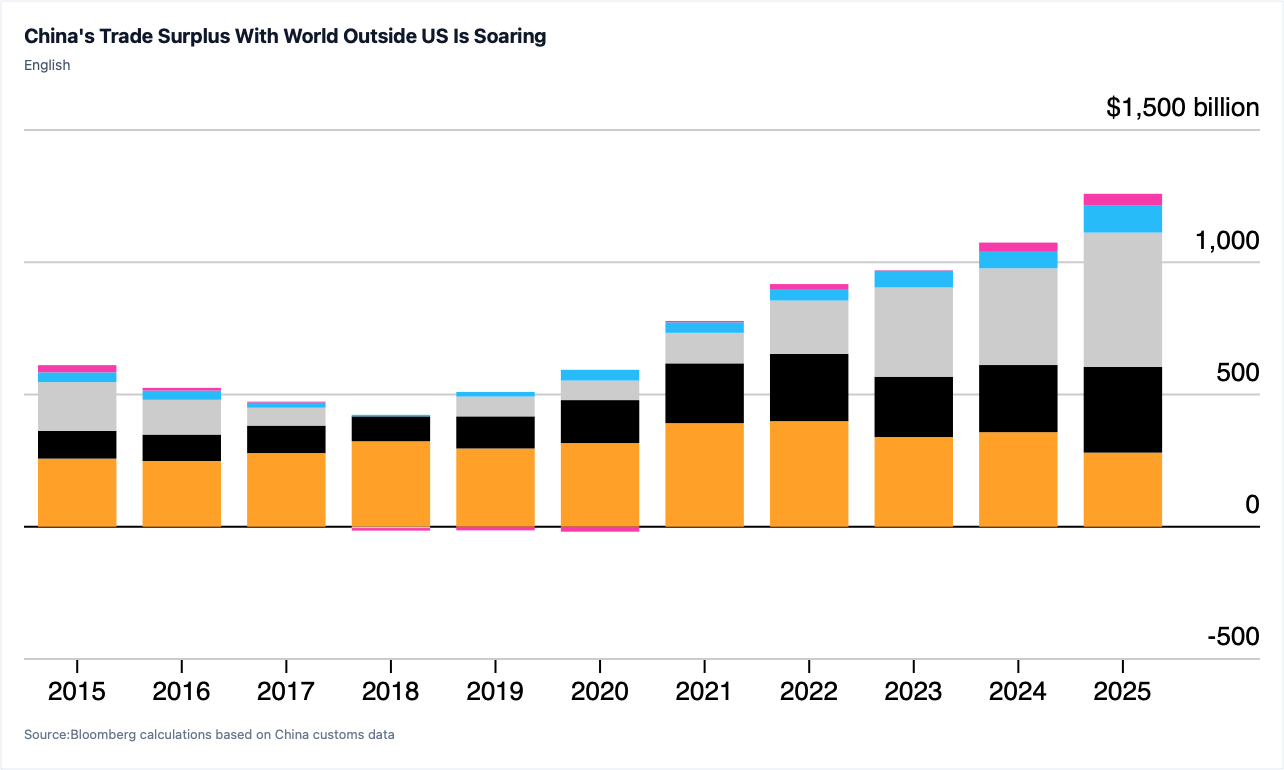
At the Group of 20 (G20) finance chiefs meeting in Asheville, North Carolina, a dispute between US and Chinese officials over the communique's wording prevented the group from issuing a joint statement. US Treasury Secretary Scott Bessent publicly accused China of blocking the unanimous communique, with the primary sticking point being the inclusion of the phrase "non-market" in a sentence addressing global trade imbalances. Chinese officials viewed the terminology as a veiled attack on their state-owned enterprises that form a core economic pillar and an implicit critique of China; although Beijing proposed alternative language that garnered support from some nations, consensus with the US could not be reached.
The final chair statement issued by the US urged countries to eliminate "non-market policies and practices that exacerbate imbalances" while spotlighting critical mineral supply chains and debt restructuring provisions. In response, China's Ministry of Commerce and Ministry of Finance strongly pushed back, arguing that utilizing multilateral platforms like the G20 to hype economic imbalances and overcapacity merely seeks to justify protectionism and contain China's rise. PBOC Governor Pan Gongsheng emphasized that escalating protectionism, overstretched national-security framing, and policy unpredictability are the primary drivers of global imbalances, urging deficit nations to rein in shortfalls and raise savings while surplus nations lift consumption.
China's massive export engine and subsidy policies remain major flashpoints in bilateral ties, with Bessent criticizing Beijing for suppressing domestic demand to fuel export-led growth and alleging that roughly 4% of China's GDP is directed to industrial subsidies, specifically citing carmaker BYD. Conversely, China has rejected allegations of unfair state support, releasing a white paper pointing out that the US and EU heavily subsidize their own electric vehicle and AI sectors, thereby condemning the US accusations of "non-market practices" as clear double standards. This sharp diplomatic clash highlights the simmering economic tensions between the world's two largest superpowers just weeks before a high-profile summit between President Donald Trump and Chinese leader Xi Jinping in Washington.