1974年中东石油禁运后,朴正熙曾把韩国经济比作“风浪中的船”,当年通过重工业和化工推进产业现代化;李在明现在以“AI时代高速公路”重申工业化路径,试图在能源冲击下重建国家发展方向。其核心背景是韩国对中东高度依赖:该地区提供韩国70%的石油和20%的天然气,进口受扰即直接牵动宏观布局。 该改革的核心目标是把资本从房地产挪向芯片等高增长产业。过去20年计划拟投入5300亿美元,用于芯片产业,几乎相当于韩国一年全部政府支出规模。
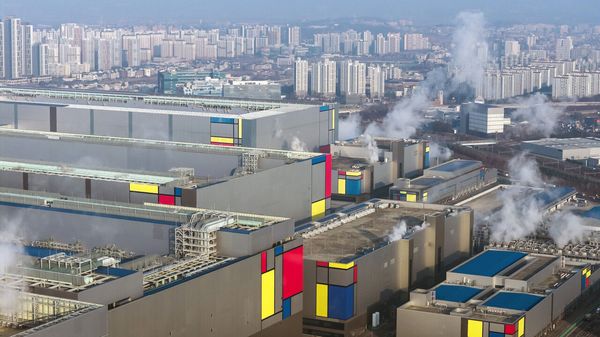
政府已设立500亿美元基金,配合新机制争取再吸引500亿美元民间资本;并授权通过1月新法直接给企业投放资金,形成官方托底。韩国财团中最大的三星电子与SK hynix承诺到2047年在龙仁超级集群再投7000亿美元,高于其过去十年合计全球资本开支约三分之一,并以“迷你晶圆厂”等方式扩展供应链。
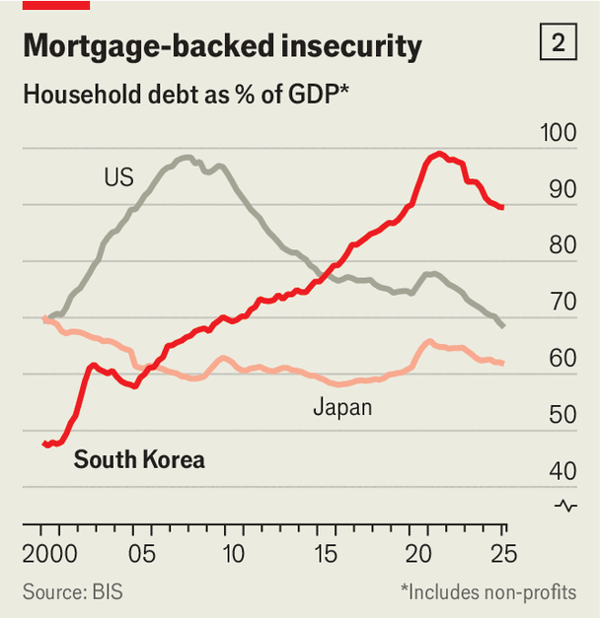
政策第二支柱是“生产性金融”:韩国家庭债务达GDP的90%,而美国和日本仅为60%到70%,其中11%与“jeonse”租赁押金融资有关。首尔按揭额度由50%降至40%(其他城市可达70%)且4月1日起扩大到保险公司等非银机构,银行对中小企业贷款增速也已在四大银行处放缓一半。
After the 1974 Middle East oil embargo, Park Chung-hee likened the Korean economy to a ship in rough seas and pushed heavy industry and chemicals; Lee Jae Myung now echoes that strategy with his pledge to build a national “AI-era highway.” The context is a renewed energy squeeze in which Korea remains highly exposed to the Middle East, which supplies 70% of its oil and 20% of its natural gas.
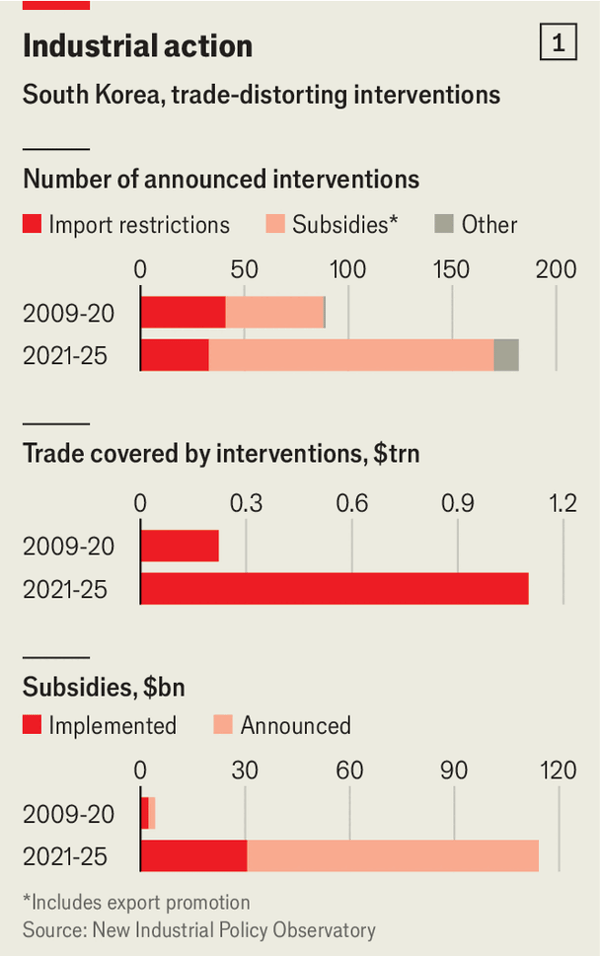
The industrial pillar is explicit: Korea’s plan targets $530bn of chip investment over 20 years, nearly equivalent to one year of total public spending, while a $50bn fund plus a January policy vehicle is designed to mobilize another $50bn in private capital. Samsung and SK Hynix have pledged $700bn to the Yongin mega-cluster by 2047, about one-third above their combined global capex over the previous decade, with projects such as a mini-fab meant to widen the domestic chip chain beyond memory leaders.
The financial pillar is to rebalance credit toward productivity: household debt is 90% of GDP versus 60–70% in the U.S. and Japan, and jeonse-linked borrowing accounts for 11%. Seoul cut mortgage LTV from 50% to 40% (70% in other cities) and extended mortgage caps to non-bank lenders from April 1, while loan growth to SMEs at the four largest banks had already halved. At the same time, gas reserves are only days from depletion, key inputs like bromine and helium are import-concentrated (97% from Israel, 65% from Qatar), and emergency aid near 1% of GDP with a deficit above the 3% target threatens to crowd out the chip campaign and deepen the Seoul-versus-south relocation trade-off.
Source: South Korea’s AI industrial policy meets the energy shock
Subtitle: The collision will not be pretty
Dateline: 4月 09, 2026 03:38 上午 | Seoul