在地缘政治紧张加剧之际,《新削减战略武器条约》将在 2026 年 2 月 5 日到期。该条约限制美俄双方各部署不超过 1,550 枚战略核弹头和 700 个远程运载平台。俄罗斯于 2023 年 2 月暂停参与但承诺遵守数量上限,并在 2025 年 9 月提出将现有安排延续至 2027 年 2 月。与此同时,中国核弹头规模被美国国防部估计可能在 2030 年前增至 1,000 枚。
若条约失效,风险显著上升。专家认为,俄罗斯在增加弹头和生产新导弹方面的速度可能快于美国,而美国正面临哥伦比亚级弹道导弹潜艇建造和洲际导弹现代化进度缓慢的问题。新的军备竞赛将加重五角大楼预算压力,并进一步挤压已受制于供应链和产能限制的国防工业基础。
建议的应对方案是按原条款延长条约一年,恢复现场核查并重申不干扰“国家技术手段”的承诺,以降低误判风险。该条约还设有每年两次的磋商机制,可用于讨论新型武器和未来军控框架。短期延长不会削弱美国应对中国的能力,美国仍保有近 2,000 枚后备核弹头,数量高于对中国最激进的预测,同时为制定长期战略争取时间。
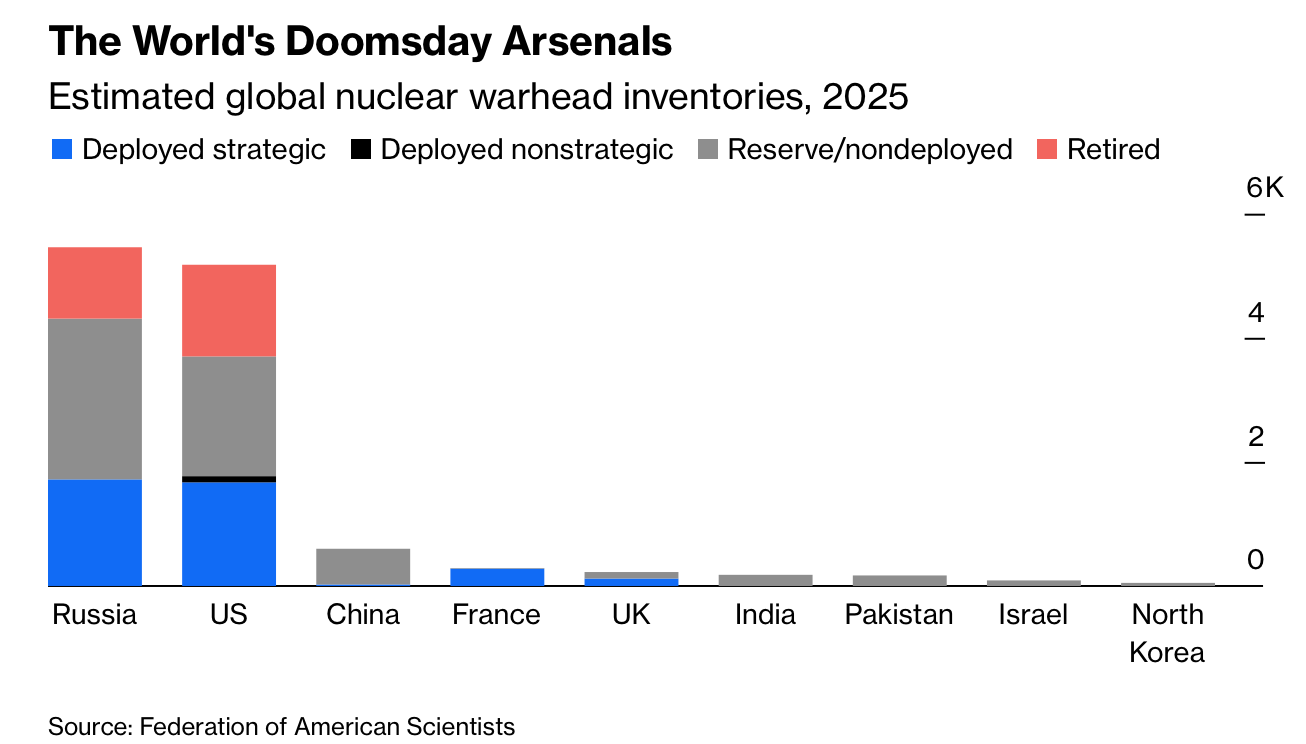
As geopolitical tensions intensify, the New START treaty is set to expire on Feb. 5, 2026. The agreement caps US and Russian deployments at 1,550 strategic nuclear warheads and 700 long-range delivery systems. Russia suspended participation in February 2023 but pledged to respect the limits, later offering in September 2025 to extend the arrangement until February 2027. Meanwhile, the Pentagon estimates China’s nuclear arsenal could reach 1,000 warheads by 2030.
Allowing the treaty to lapse would raise significant risks. Experts assess that Russia could upload additional warheads and produce new missiles faster than the US, which is struggling with delays in Columbia-class submarine construction and ICBM modernization. A renewed arms race would strain Pentagon budgets and an industrial base already constrained by supply-chain and capacity limits.
A proposed response is a one-year extension under the original terms, restoring inspections and reaffirming commitments not to interfere with national technical means. The treaty’s twice-yearly consultation forum could address new weapons and outline a successor framework. A short extension would not hinder US preparation for China, as the US retains nearly 2,000 reserve warheads, exceeding even aggressive projections of China’s arsenal, while buying time to shape longer-term strategy.