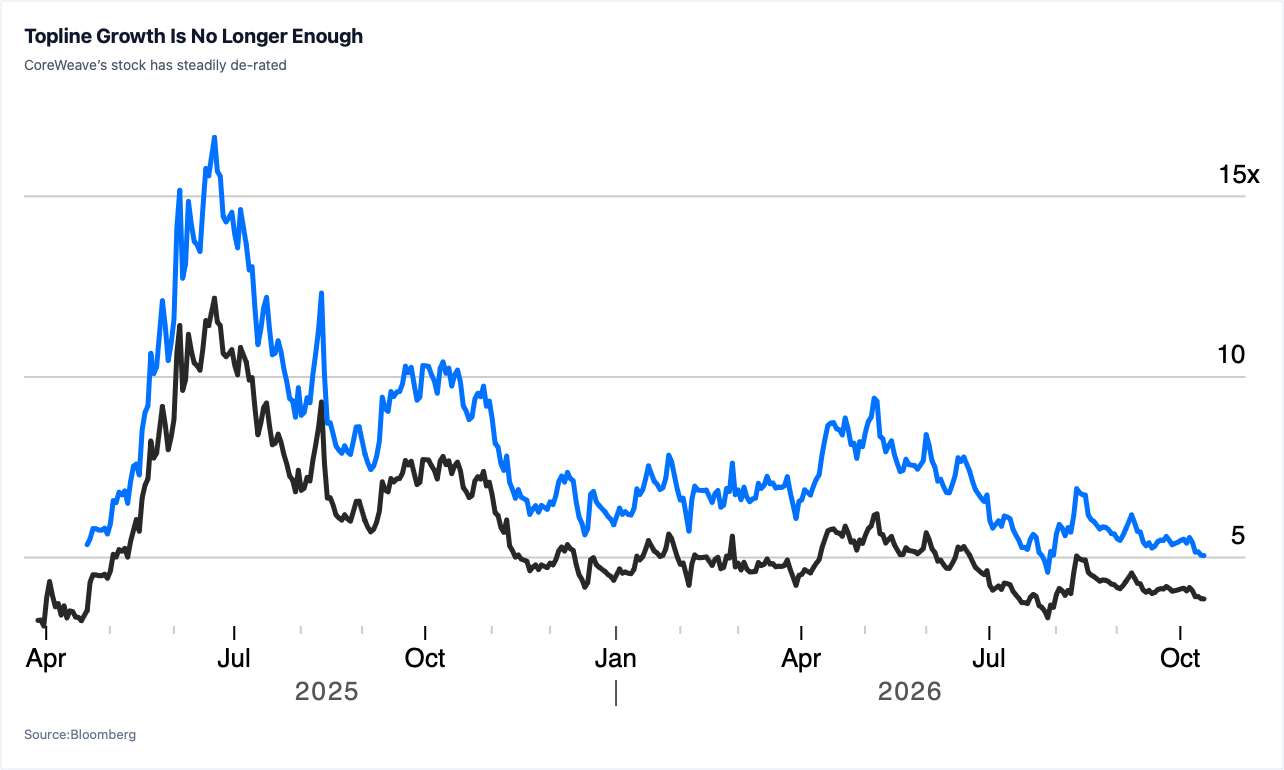
市场如今不再仅凭营收成长或储备容量就给予高估值,而是更加关切损益平衡与自由现金流状况;例如先驱业者 CoreWeave 虽然预计产生数十亿美元的息税折旧摊销前盈余,却因远超盈余的高额资本支出而持续面临自由现金流失血的困境。
除了巨额债务负担之外,硬体折旧亦存在技术与融资不匹配的潜在风险,因为运算晶片使用寿命仅数年且面临快速技术淘汰,可能导致剩余股东价值被大幅侵蚀,使重押多个资料中心项目的黑石集团等大型资产管理机构面临资产变现的严峻挑战。
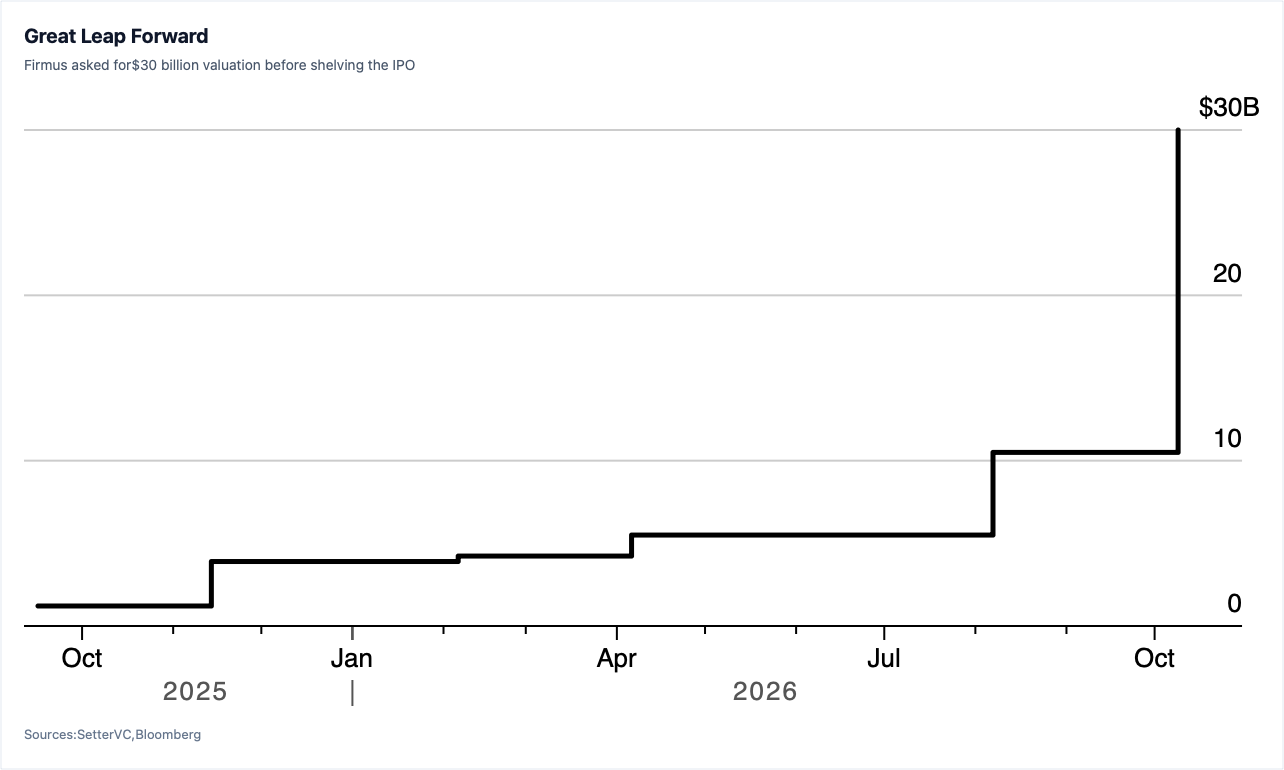
Private credit lenders have been writing massive checks to AI data center operators to fund capital expenditures that reach up to $30 billion per gigawatt of computing capacity, but the collapse of Sydney-based neocloud firm Firmus Grid's $30 billion initial public offering highlights growing skepticism among public investors regarding these developers' true ability to generate shareholder value.
Rather than rewarding rapid top-line growth or prospective pipelines, public markets are now demanding a clear path to profitability and free cash flow generation; for instance, pioneer operator CoreWeave is expected to generate significant EBITDA yet continues to bleed free cash flow due to aggressive capital expenditures that far outstrip earnings.
Beyond heavy fixed debt burdens, a structural mismatch between financing and rapid technology obsolescence poses serious depreciation and impairment risks for specialized chips, raising critical concerns over residual shareholder value and clouding the monetization outlook for major asset managers like Blackstone across their extensive data center portfolios.