最新指标显示中国对外贸依赖度加深,9月出口年增36%带动贸易顺差攀升至近1,340亿美元,强劲的外需适度降低了刺激内需的迫切性。美国银行大中华区首席经济学家乔虹分析,官方采取谨慎态度主要考量宽松政策边际效应递减,并需保留应对严重衰退的政策空间,但降准降息及直接补贴消费仍是支持增长的必要手段。
展望未来政策走向,乔虹预计明年地方债发行额度将与今年相当,重大基础建设「六大网络」开工预计带动投资回升。长远来看,随著房地产长期低迷,人工智能等新兴科技产业可望在两到三年内扩大规模,进而填补房市疲软留下的增长缺口,成为推动中国经济发展的新引擎。(关键数字: three years)
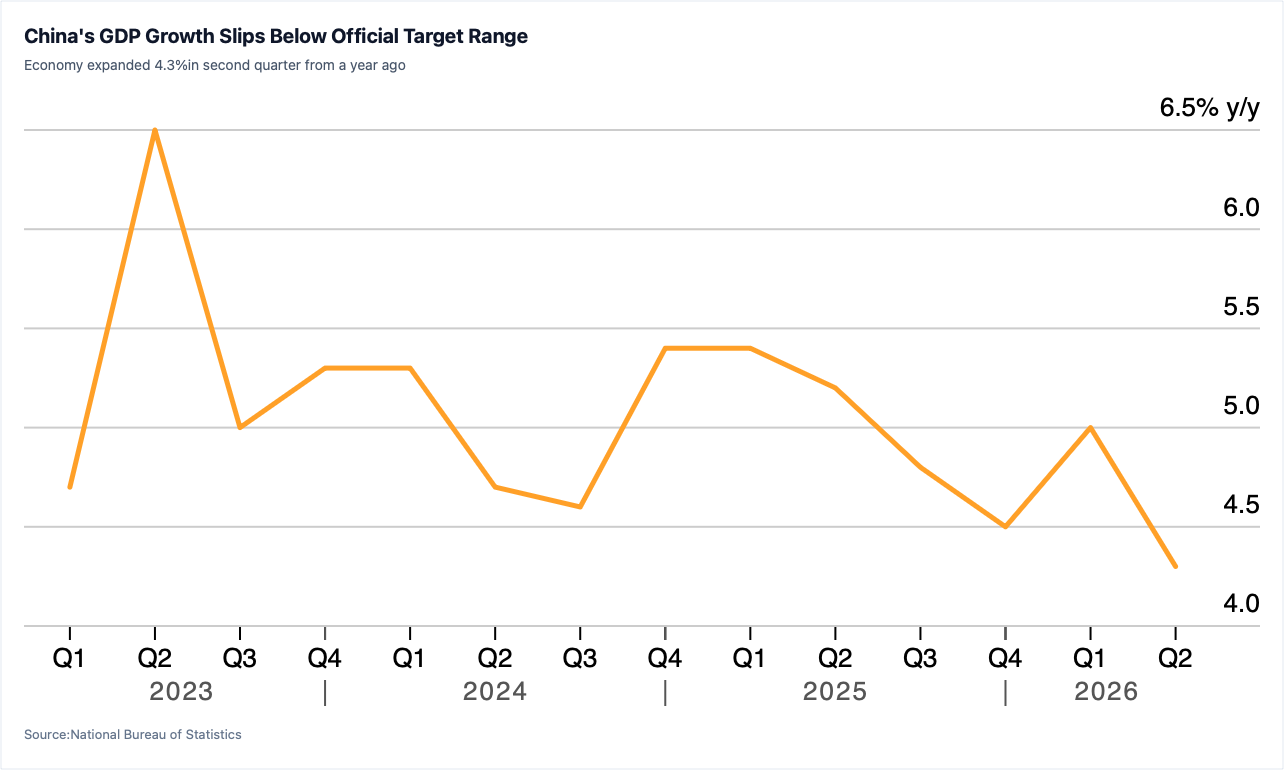
According to Bank of America, China may roll out additional economic support if growth weakens beyond Beijing's tolerance level. Key third-quarter data will guide policymakers' next steps, with economists forecasting a 4.5% year-on-year GDP expansion, supported by targeted stimulus measures introduced in September—such as mortgage subsidies and expanded low-cost lending—to help meet the annual target.
Recent trade figures show China's increasing reliance on external demand, with September exports surging 36% to produce a nearly $134 billion trade surplus, reducing the immediate urgency for domestic stimulus. Helen Qiao, BofA's chief economist for Greater China, noted that officials remain cautious to conserve policy space, though monetary easing and direct consumer subsidies are still needed to reinforce fiscal policy.
Looking forward, Qiao anticipates the government will maintain a stable bond-issuance quota next year, with investment expected to rebound as the Six Networks infrastructure project progresses. Over the next two to three years, the rapid expansion of artificial intelligence and related high-tech industries is projected to help offset the protracted real estate downturn and serve as a new growth driver.