极端气候迅速推升了泰国与菲律宾等国的债券殖利率,同时促使印度央行采取更鹰派的升息政策。由于通膨率再度攀升,政策制定者已难以维持观望态度,必须在多重冲击交互叠加的情况下迅速采取紧缩行动以捍卫货币政策的公信力。
面对气候危机,央行在应对短期通膨与涉足长期气候政策之间面临界线考验。美国联准会及澳洲等机构因担忧职责扩张与政治反弹而选择专注于物价稳定等核心任务,但欧洲央行则强调忽视环境变迁对经济的冲击将是不负责任的行为。
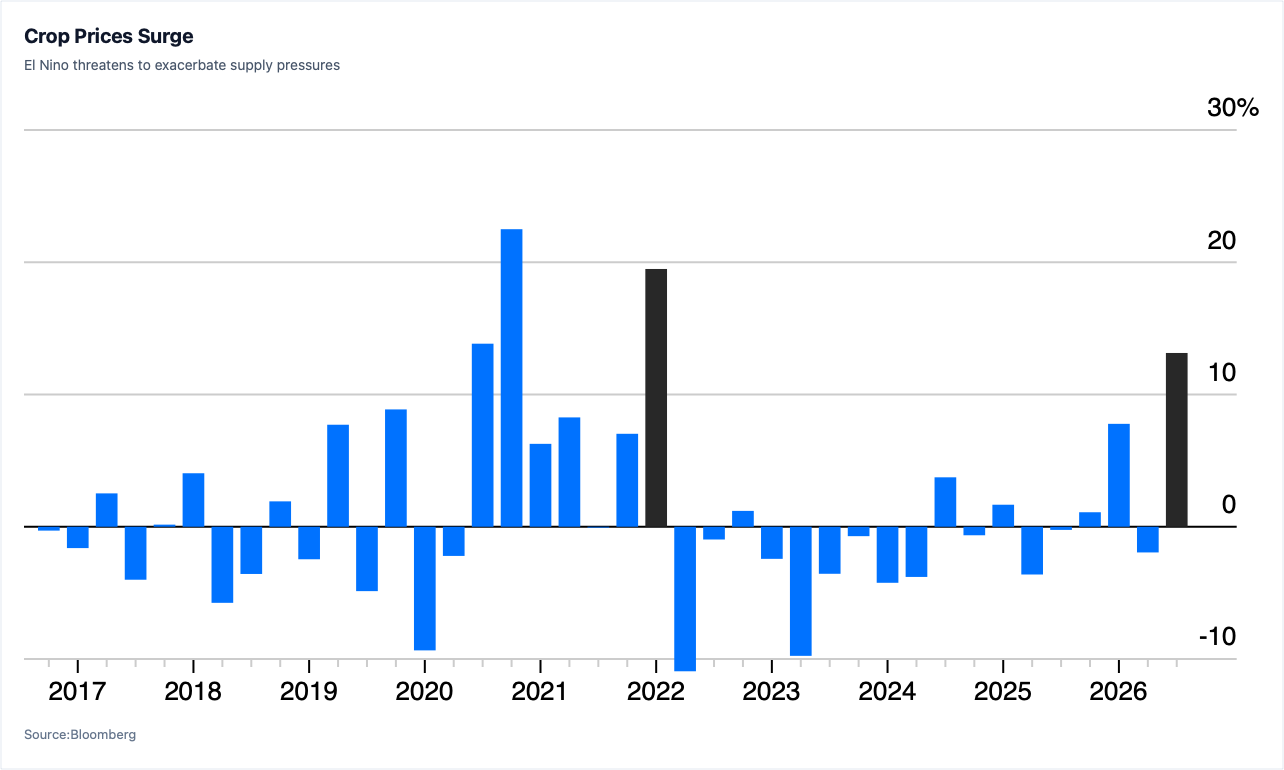
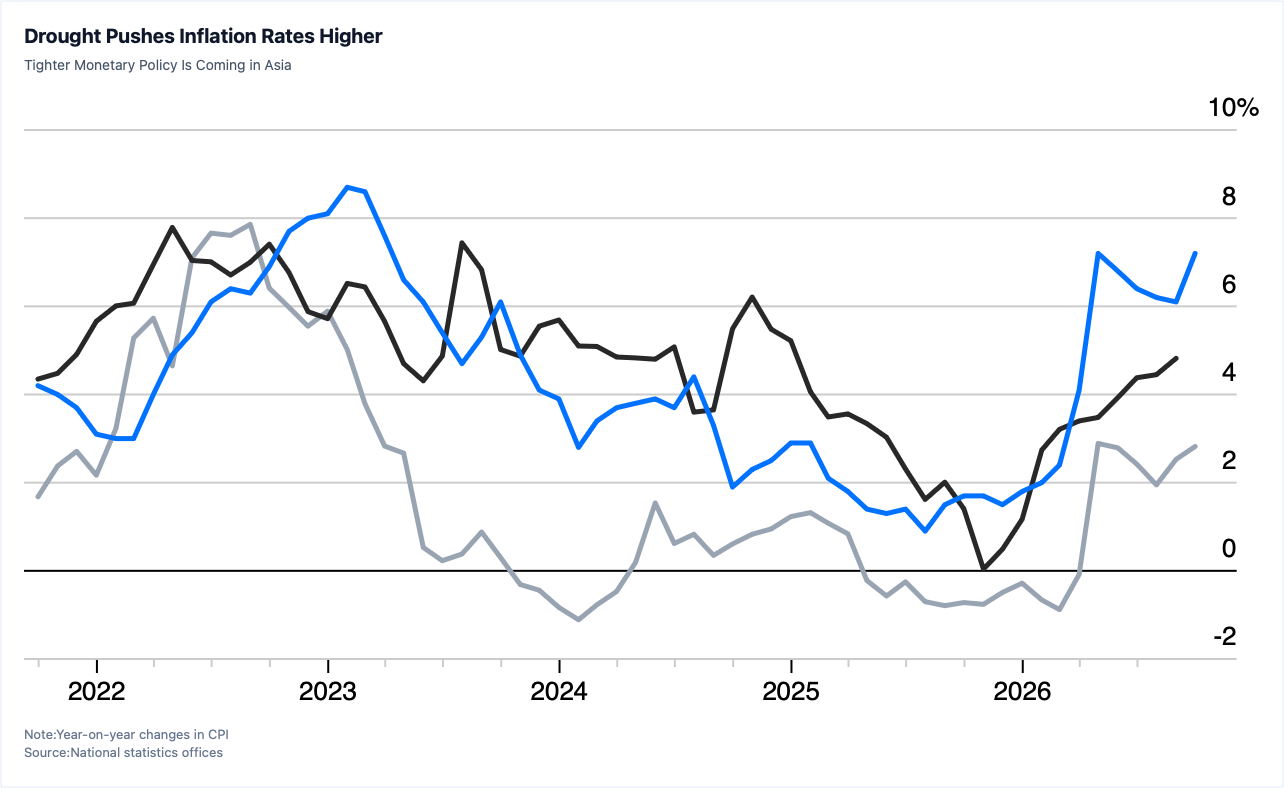
A powerful El Niño weather pattern is battering Asian economies, causing severe droughts across South and Southeast Asia while driving up shortages of commodities like rice and escalating shipping expenses. Central banks, having barely navigated post-pandemic inflation, tariff shocks, and geopolitical energy spikes, now confront a new blow from this climate phenomenon dubbed "Godzilla."
The extreme weather has already driven bond yields higher in nations such as Thailand and the Philippines, while prompting the Reserve Bank of India to shift toward a more hawkish rate hike. With inflation rebounding, policymakers are losing the luxury of waiting and must act decisively to maintain their institutional credibility amid compounding supply disruptions.
Central bankers face a critical dilemma between reacting to immediate weather-induced inflation and overextending into long-term climate policymaking. While the US Federal Reserve and critics at international institutions emphasize sticking to core mandates like price stability to avoid political backlash, European policymakers argue that acknowledging the economic reality of environmental change is unavoidable.