面对严苛的就业环境,招聘市场上职缺稀缺且「虚假职缺」频现,促使劳工大幅提高跳槽的期望薪资,然而长期留任原职者的实质薪资却因通膨而实质缩水。与此同时,雇主普遍推行严格的重返办公室政策并削减福利,加上企业预计将大幅调涨的医疗保健成本转嫁给员工,让劳工在低薪、高开销与沉重绩效压力中备受煎熬。
此外,人工智慧技术的普及带来了广泛的职场焦虑,培训资源的缩减更使基层员工缺乏清晰指导。在种种职场压力与反思下,愈来愈多工作者试图在工作与个人生活之间划清界线,不再将工作视为生活中心;部分年轻族群甚至选择彻底脱离传统体制,带动了以Z世代为主的创业潮,以成立新事业来主动反抗传统职场的束缚。
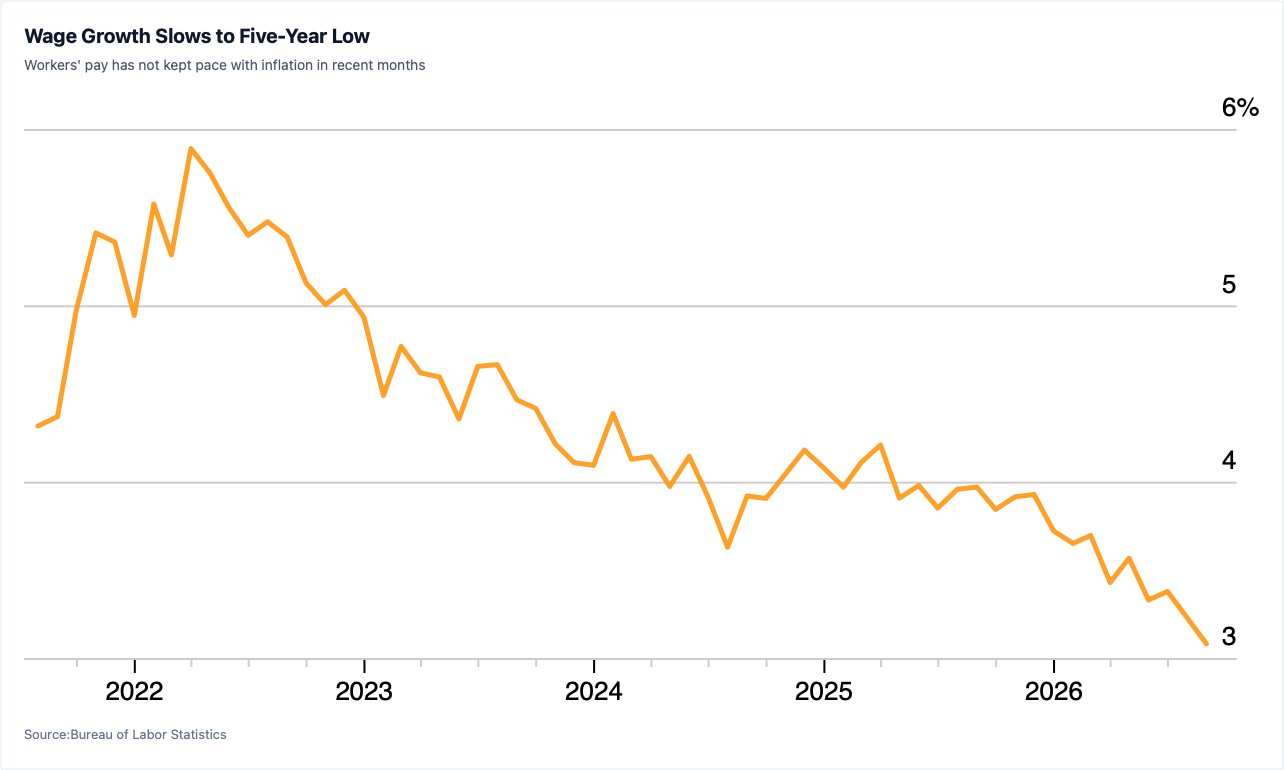
American desk workers are currently confronting bleak employment prospects, with wage growth hitting a more than five-year low and employee confidence dropping to record levels. Despite shrinking promotion opportunities, reduced benefits, and persistent layoff anxieties, the quit rate hovers at its lowest in six years, reflecting not job satisfaction, but a widespread lack of confidence among workers in securing better alternatives.
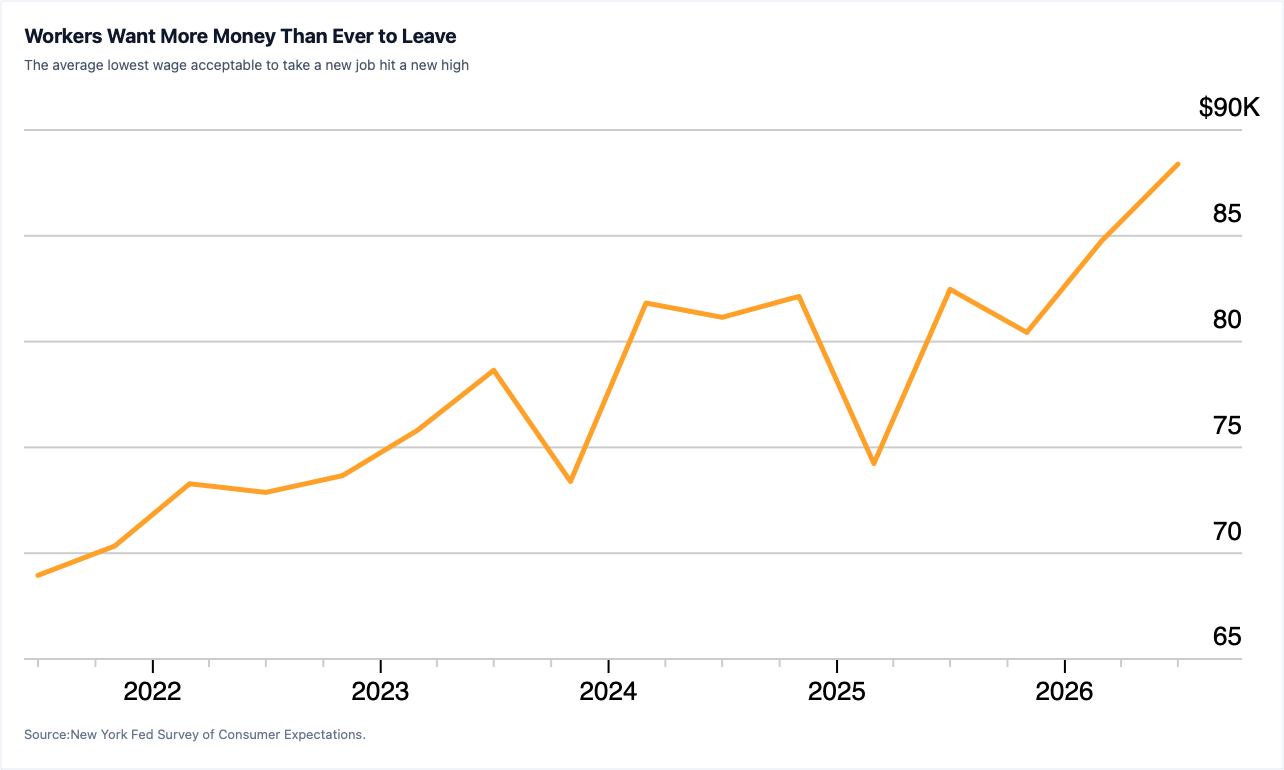
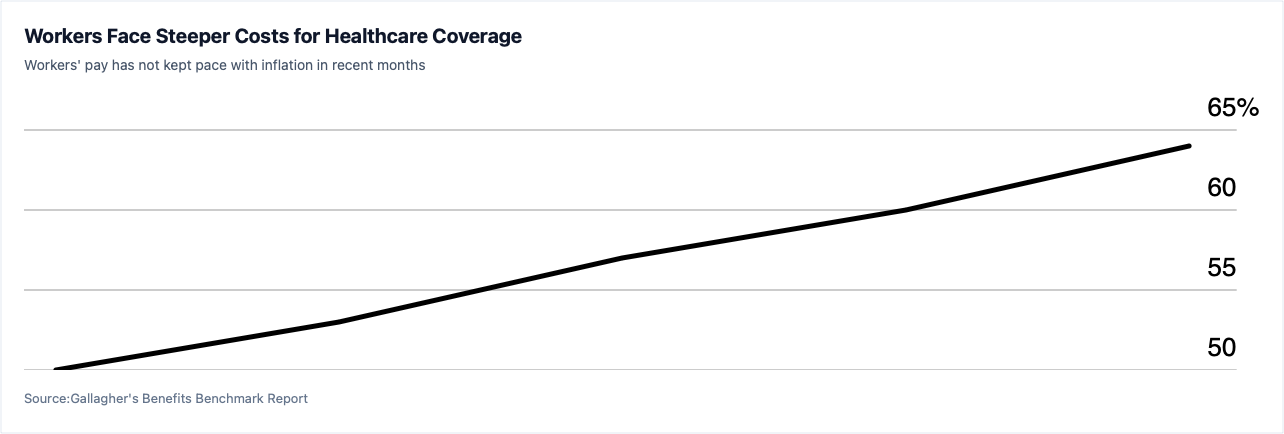
Confronting a daunting job market marked by scarce openings and prevalent ghost postings, employees are demanding significantly higher reservation wages to switch jobs, even as those who stay put suffer real wage declines against inflation. Simultaneously, companies are enforcing strict return-to-office mandates, slashing perks, and shifting rising healthcare insurance costs onto staffers, leaving workers trapped under intense performance demands and financial strain.
Moreover, the rapid integration of artificial intelligence has intensified workplace anxieties, particularly as training budgets are trimmed and guidance remains minimal. In response to these escalating frustrations, many employees are drawing stricter boundaries between their careers and personal lives, while an increasing number of younger workers—most notably Gen Z—are opting out of the traditional rat race altogether to launch their own businesses.