然而随著绿能规模扩大,电网供需失衡与价格波动等极限问题逐渐浮现;太阳能过剩引发长时间的负电价现象,不仅重创相关发电商利润,再生能源的输出不稳定更曾加剧伊比利半岛大规模停电事故,突显出现有电网承载力不足且缺乏大型储能设施的严峻挑战。
为了突破绿能发展瓶颈并进一步深化各产业电气化,西班牙急需庞大的电网升级投资与大规模电池储能部署;尽管政府已著手简化审批并规划数百亿欧元资金挹注,但储能监管机制落后、长期技术成本偏高以及电力需求增长缓慢等问题,仍是西班牙巩固绿能领先地位的关键考验。
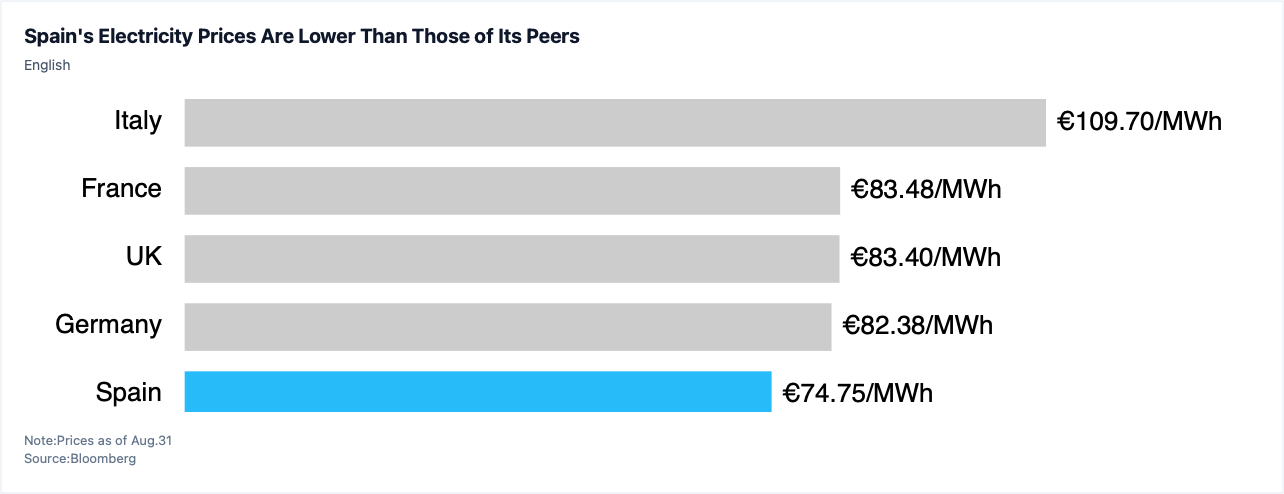
Spain began its transition to renewable energy early and has achieved remarkable success, with clean electricity from wind and solar now providing roughly 60% of the grid supply, which has sharply reduced domestic electricity bills and established Spain as one of Europe's fastest-growing major economies, demonstrating that large-scale green energy deployment can effectively support economic growth.
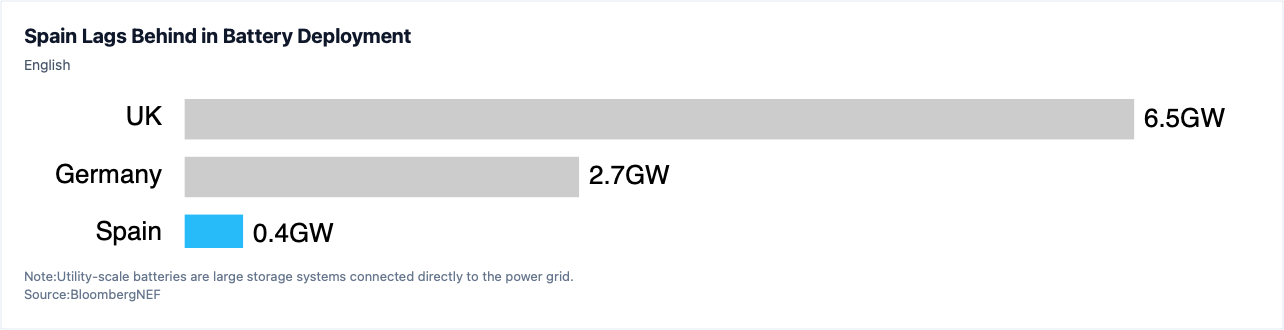
Nevertheless, as the sector matures, the limits of Spain's renewable model are surfacing through severe grid imbalances and price volatility; an oversupply of daytime solar power has caused an unprecedented surge in negative electricity prices that damages developer profitability, while the intermittency of clean energy contributed to a major blackout across the Iberian Peninsula, highlighting inadequate grid flexibility and severe shortages in utility-scale storage.
To overcome these bottlenecks and achieve deeper economic electrification, Spain urgently requires extensive battery storage integration and comprehensive power grid modernization; although the government has simplified permitting and committed substantial capital investments, delayed capacity market frameworks, high costs for long-duration storage technologies, and sluggish demand growth remain formidable hurdles to sustaining its clean energy leadership.