美国与伊朗冲突以及霍尔木兹海峡几乎关闭,触发了全球能源市场剧烈波动。3月8日油价接近每桶120美元,3月9日特朗普宣布战争可能“很快”结束后跌至约80美元,而战前价格约为70美元;随后又反弹至约100美元。伊朗事实上封锁霍尔木兹海峡,阻断约15%的全球石油供应。与1973年和1979-80年的石油冲击相比,现代经济对石油的直接依赖较低,但运输与石化仍高度依赖能源,使供应中断迅速传导至全球经济和金融市场。
当前需求缺乏弹性,使价格对供应冲击更加敏感。分析认为若海峡长期关闭,使需求与供应重新平衡所需油价可能超过每桶150美元。国际能源署成员拥有约18亿桶紧急储备,并已释放4亿桶,但管道与运输限制削弱了缓冲能力。能源冲击也扩散至天然气:卡塔尔主要液化天然气设施因无人机袭击关闭,约占全球供应近20%。亚洲出现争夺资源的局面,而欧洲在储气 unusually 低的情况下天然气价格上涨超过50%。
冲突的不确定性增加了长期地缘政治风险。3月11日伊朗在霍尔木兹海峡袭击3艘货船,并在伊拉克附近袭击2艘油轮,显示低成本无人机可持续扰乱航运和能源基础设施。能源价格因此成为地缘政治压力工具。市场影响已扩散:政府债券收益率上升,企业面临新的能源风险溢价,并重新评估供应链与海湾地区敞口。若政府再次提供能源补贴,规模可能接近或超过一些欧洲国家在2022年为应对危机支出的约GDP的2.5%,增加债务并将冲击转移至较贫穷国家。
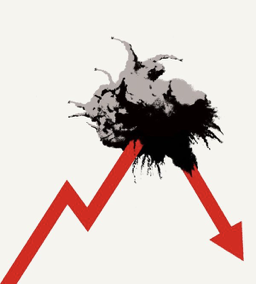
The confrontation between the United States and Iran and the near closure of the Strait of Hormuz triggered extreme volatility in global energy markets. Oil prices reached nearly $120 per barrel on March 8, fell to about $80 after President Donald Trump said on March 9 that the war could end “very soon,” and later rebounded to around $100; before the conflict they were about $70. Iran’s de facto blockade of the strait has halted roughly 15% of global oil supply. Compared with the oil shocks of 1973 and 1979-80, modern economies rely less directly on oil, yet transport and petrochemicals remain heavily energy-dependent, allowing supply disruptions to transmit rapidly into the world economy and financial markets.
Current demand is relatively inflexible, making prices more sensitive to supply shocks. Analysts estimate that if the strait were closed indefinitely, the oil price required to rebalance demand with supply could exceed $150 per barrel. Members of the International Energy Agency hold about 1.8bn barrels of emergency reserves and have released 400m, but pipelines and logistical limits restrict access. The shock has also spread to gas markets: Qatar’s main liquefied natural gas facility was shut after a drone strike, removing nearly 20% of global supply. Asian buyers are scrambling for cargoes, while in Europe—where storage levels are unusually low—gas prices have risen by more than 50%.
Uncertainty in the conflict is increasing long-term geopolitical risk. On March 11 Iran struck three cargo ships in the Strait of Hormuz and later two tankers near Iraq, demonstrating how low-cost drones can repeatedly disrupt shipping and energy infrastructure. Energy prices are therefore becoming a strategic pressure point. Financial effects are spreading: government-bond yields have risen, businesses face a new energy risk premium, and firms are reassessing supply chains and exposure to Gulf economies. If governments again provide energy subsidies, the scale could approach or exceed the roughly 2.5% of GDP that several European countries spent during the 2022 crisis, increasing debt while shifting economic strain toward poorer nations.