围绕 AI 的电力与土地约束,文章评估“把数据中心搬到太空”是否可行:SpaceX 据称计划在 2026 年推进一场超过 300 亿美元的 IPO,以为 Elon Musk 的轨道数据中心设想融资;Jeff Bezos 与 Eric Schmidt 也被描述为押注同类路线。动因来自需求曲线的陡峭化:相对传统数据中心,AI 数据中心用电需求可高出 10 倍甚至 100 倍;BloombergNEF 预计 2026–2033 年美国数据中心用电将翻倍,主要由 AI 拉动。太空的潜在优势是太阳能与空间冗余:在某些太阳同步轨道可实现 24/7 日照,并可部署“数百到数千”颗数据中心卫星;监管上可能只需两类批量许可(FAA 发射、FCC 星座)。
工程尺度用多组数字展示其“非科幻但极难”。Musk 提议用 Starship 发射的网络总容量可达 100 吉瓦(GW);由 Nvidia 支持的 Starcloud 目标是单个 5 吉瓦轨道数据中心,其所需太阳能板宽和长各约 4 千米(约 2.5 英里)。对比地面项目:得州阿比林(Abilene)的 OpenAI Project Stargate 规划占地 372,000 平方米(4,000,000 平方英尺),容量 1.2 吉瓦,已属超大,但仍低于上述轨道设想。如此巨型结构在发射、姿态控制、碎片碰撞与维护上都显著放大风险。
热管理、辐射与通信把困难进一步量化。低地球轨道(LEO)约延伸至 2,000 千米(约 1,240 英里),航天器绕地约每 90 分钟一圈;由于地球与太阳方向不一致,散热器必须持续转向以同时避开两者,系统复杂度上升。为避拥堵,若转向更高轨道,回传延迟可能高达 3 秒。Starship 虽以部分可复用 Falcon 9 拉低成本,但 2025 年测试中出现多次非计划爆炸,且迄今仍未完成一次完整入轨任务;“全复用”仍可能需要数年。技术模块(太阳能板、散热器)并非新物理,但需要显著减重与小型化;Google Project Suncatcher 计划与 Planet 合作在 2027 年初前发射 2 颗原型卫星。时间表上,Musk 说 4–5 年内“可能”,Bezos 给出 10–20 年区间。
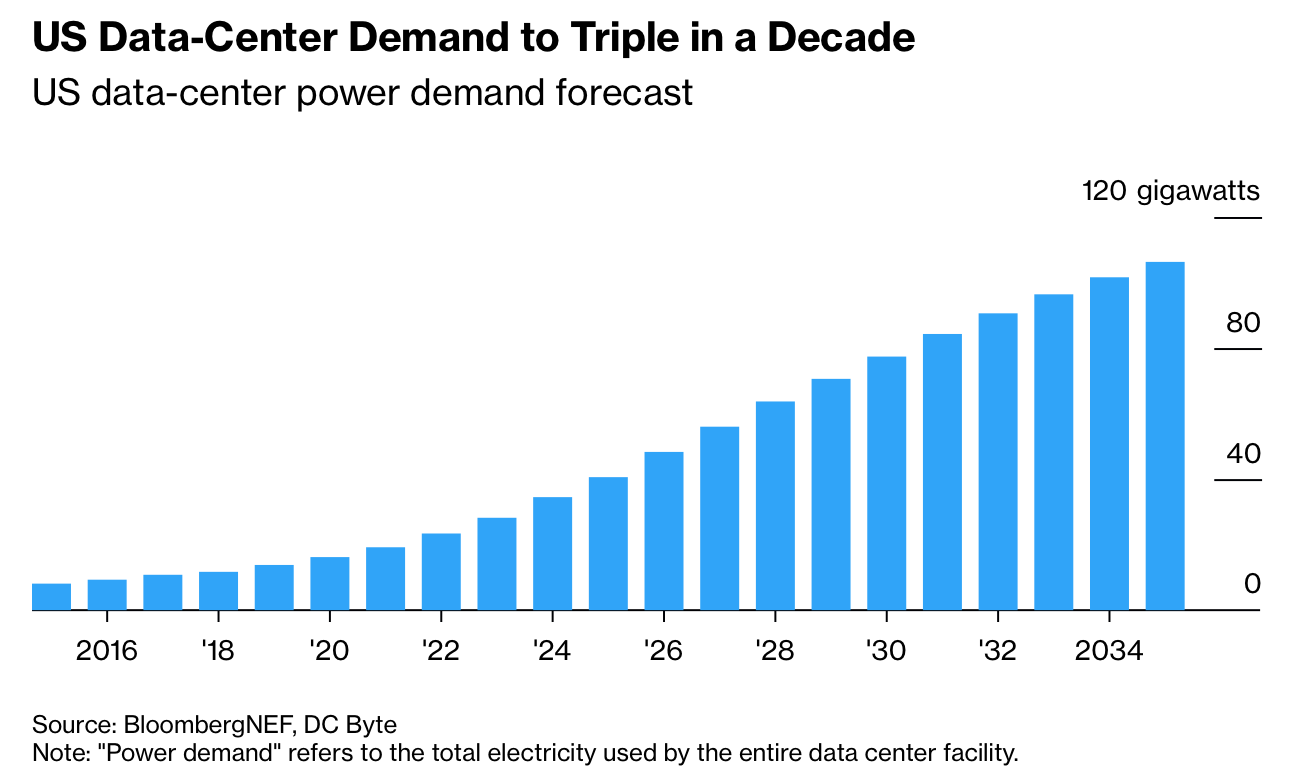
The article weighs whether moving AI data centers into orbit makes sense as energy and land constraints tighten: SpaceX is said to be pursuing a more than $30 billion IPO in 2026 to fund Elon Musk’s vision of space-based data centers, with Jeff Bezos and Eric Schmidt also linked to similar bets. The demand driver is steep: compared with a traditional data center, an AI data center can require 10x to 100x more power, and BloombergNEF projects US data center electricity use will double from 2026 to 2033, mostly due to AI. Space offers potential advantages in solar power and room to scale: some sun-synchronous orbits can provide 24/7 sunlight, and companies could deploy hundreds to thousands of data-center satellites; regulation may boil down to two bulk licenses (FAA launches, FCC constellations).
Engineering scale is illustrated with hard numbers that make it “not fantasy, but very hard.” Musk has proposed a Starship-launched network totaling up to 100 gigawatts (GW). Nvidia-backed Starcloud aims for a single 5-GW orbital data center that would require solar panels roughly 4 kilometers (about 2.5 miles) wide and long. For comparison, OpenAI’s planned Project Stargate campus in Abilene, Texas is 372,000 square meters (4 million square feet) to support 1.2 GW—huge on Earth but still smaller than the orbital targets. Panels of that magnitude amplify launch, control, debris-collision, and maintenance challenges.
Cooling, radiation, and communications further quantify the hurdles. Low-Earth orbit extends to about 2,000 kilometers (~1,240 miles) and satellites circle Earth roughly every 90 minutes; radiators must continually reorient to dump heat while avoiding both Earth and the Sun, raising complexity. Higher orbits could ease congestion but introduce latency that could reach up to three seconds back to Earth. Starship is central to cost feasibility, yet its 2025 testing saw numerous unplanned explosions and it has not completed a full orbital mission; full reusability may still be years away. The needed components (solar arrays, radiators) exist, but require major R&D for lighter, smaller shielding and structures; Google’s Project Suncatcher with Planet plans two prototype satellites by early 2027. Timelines diverge: Musk floats 4–5 years “if” constraints are solved, while Bezos suggests 10–20 years.