涩谷改造自 2009 年启动,投资规模超过 2 万亿日元(约 130 亿美元),完工日期从 2027 年推迟至 2034 年,部分建筑和轨道工程预计延至约 2045 年。工程涉及 11 个主要项目、9 条铁路线重组,包含多次轨道迁移,例如银座线站点自 2010 年起历时十年整体搬移 130 米,期间单次夜间作业动员约 200 人;JR 东日本在 2014–2020 年间实施 4 次大规模切换,累计数千工人参与。涩谷白天人口达 54 万,是常住人口的两倍,峰值时段“十字路口”每小时通行约 2.3 万人;东京外国游客中 67.1% 会到涩谷。为防洪,规划含两座 4,000 吨级地下蓄水池。
成本上涨、材料价格上升、熟练工短缺与不停运施工需求共同推高预算。与纽约 Hudson Yards 最高 250 亿美元预算相比,涩谷规模居中,但约为上海 Todtown 成本的十倍。主开发商 Tokyu 市值约 73 亿美元,强调建设“步行城市”与高架步行网络,并通过广场连通塔楼。尽管商业化扩张引入更多办公与大型品牌,批评者警告其可能削弱原有多元街巷结构。涩谷地形谷状、轨道密集,使其成为东京最复杂的城市工程之一,同时也被视为东京少数仍能支撑超大项目的高需求枢纽,在全国人口预计至 2070 年从 1.24 亿降至 8,700 万的趋势下显得例外。
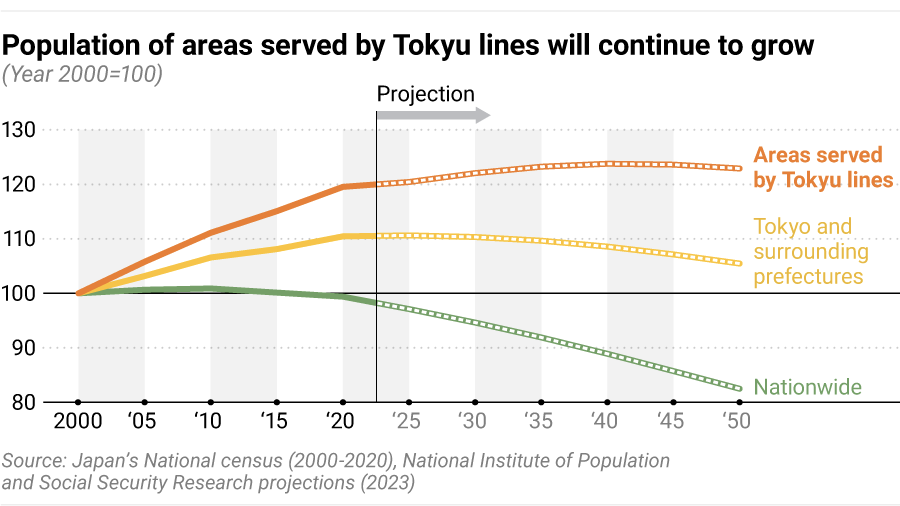
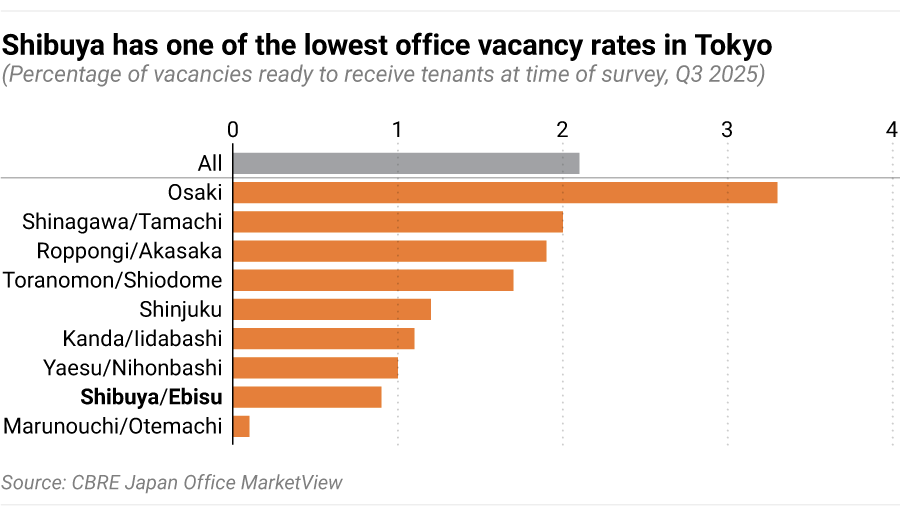
尽管辖区改造反对声有限,学者指出东京整体开发基于不现实的永续增长假设,可能导致文化与功能单一化。涩谷 Scramble Square 高 230 米,仅为东京第 17 高楼,显示设计上避免超高塔群以保留城市记忆。数据表明涩谷办公空置率居低、Tokyu 沿线人口未来数十年将增长,使该区域改造具可行性。然在附近“饮兵横丁”等仅有 38 家小店的老街区,店主担忧快速现代化侵蚀地方特色,同时老旧设施也确需更新,凸显城市更新在安全、经济与文化保存之间的结构性矛盾。
Shibuya’s redevelopment, launched in 2009, has surpassed ¥2 trillion (about $13 billion) in investment, with completion pushed from 2027 to 2034 and some rail-related components projected to extend to around 2045. The program comprises 11 major projects and reconfiguration of 9 rail lines, including a decade-long 130-meter relocation of the Ginza Line station starting in 2010, with up to 200 workers engaged nightly, and four major JR East track switches between 2014 and 2020 involving thousands of workers. Shibuya’s daytime population reaches 540,000—more than twice its residential base—and roughly 23,000 people cross the scramble intersection during peak hours; 67.1% of Tokyo’s foreign visitors pass through the district. Flood control includes two underground tanks holding 4,000 tonnes each.
Rising material costs, skilled-labor shortages and the need to maintain rail operations have inflated budgets. Compared with New York’s Hudson Yards (up to $25 billion), Shibuya’s price tag is mid-range but nearly ten times that of Shanghai’s Todtown. Lead developer Tokyu, valued at roughly $7.3 billion, promotes a “walkable city” with elevated pedestrian connectors. Critics warn that expanding offices and branded retail may erode Shibuya’s organic street culture. Its valley-like topography and concentration of rail lines make it one of Tokyo’s most complex engineering sites but also one of the few urban hubs capable of sustaining megaprojects amid Japan’s demographic decline from 124 million today to a projected 87 million by 2070.
Opposition remains limited due to low local residency, yet experts argue the plans assume perpetual growth and risk homogenization. Scramble Square stands 230 meters tall, only the 17th tallest in Tokyo, reflecting efforts to avoid excessive verticalization. Data show low vacancy rates and population growth along Tokyu rail corridors, supporting redevelopment feasibility. But nearby areas such as Nonbei Yokocho—38 tiny pubs—face pressure as modernization threatens cultural identity even as aging structures require renewal, highlighting structural tensions among safety, economics and preservation.