在美伊紧张局势加剧之际,部分超大型油轮选择加速通过霍尔木兹海峡。船舶追踪数据显示,满载原油的 VLCC 通过这一狭窄水道时航速高达 17 节,而其通常安全上限约为 13 节。这一海峡承载全球约四分之一的海运石油贸易,每日约 2000 万桶原油、凝析油和成品油经过。加速航行的背景包括伊朗宣布可能进行实弹演习,以及美国在该地区增强军事存在。
具体航行数据显示出风险应对的差异化行为。DHT Jaguar 在装载近 200 万桶科威特原油后,以接近 16 节速度驶离海峡;V. Harmony 在接近时维持约 11 节,但进入海峡时提速至近 17 节。与此同时,也有大量船只保持 11 至 13 节的常规速度,显示并非全面加速。部分油轮则在阿曼或阿联酋富查伊拉港外等待,以确认装卸计划并评估通行时机。
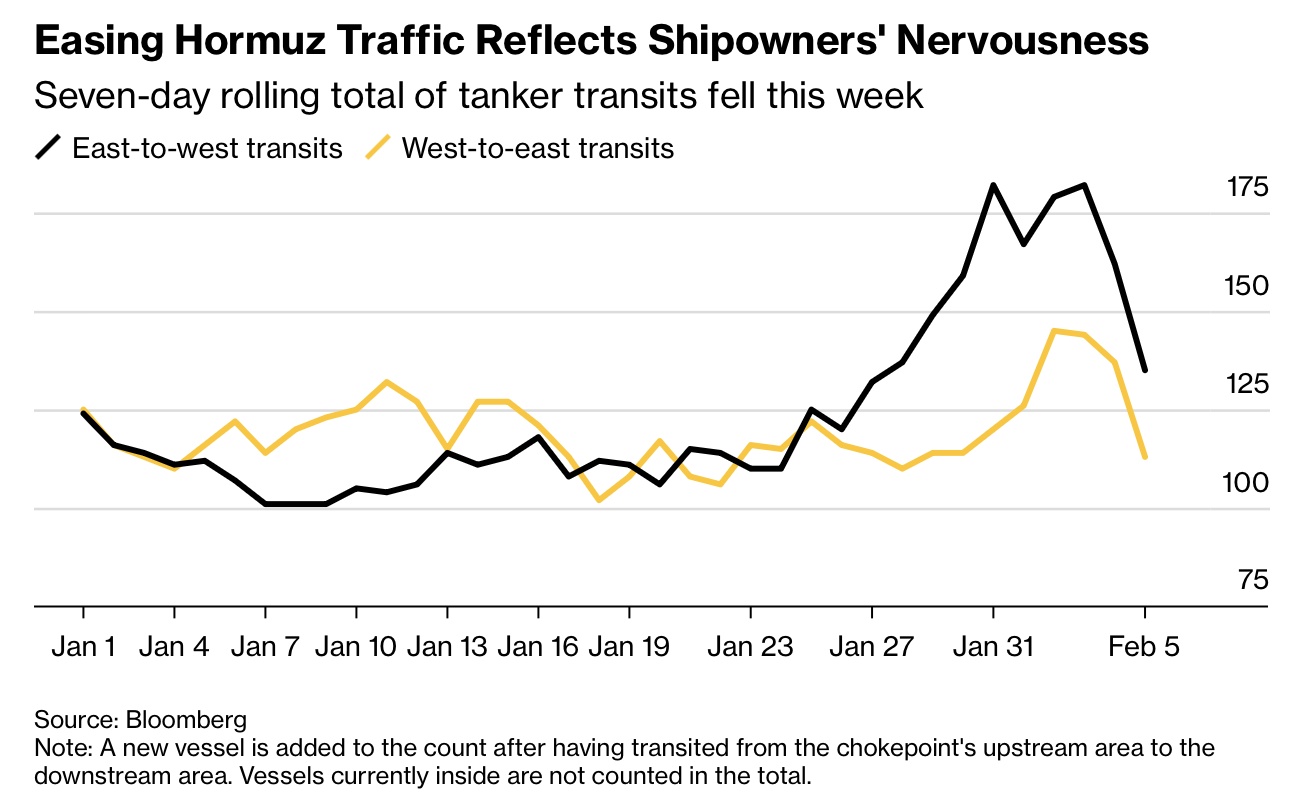
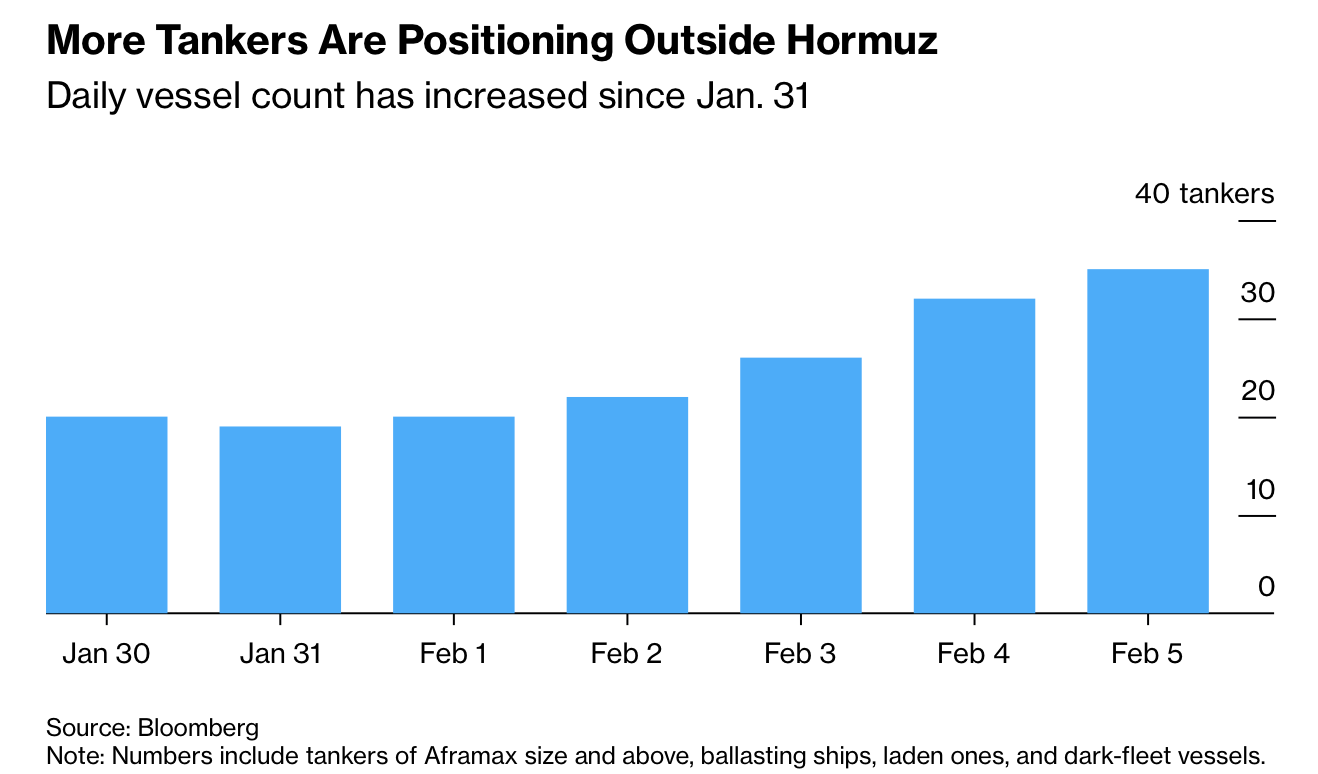
整体交通量略有下降。七日滚动数据显示,进入霍尔木兹海峡的原油和成品油船只数量从 1 月 31 日的 182 艘降至 135 艘,驶离数量从 120 艘降至 113 艘。阿芙拉型及以上油轮在海峡外聚集数量自伊朗宣布演习以来持续上升。尽管船东借等待时间重新谈判战争风险保险附加费,但目前相关保费尚未明显上调。
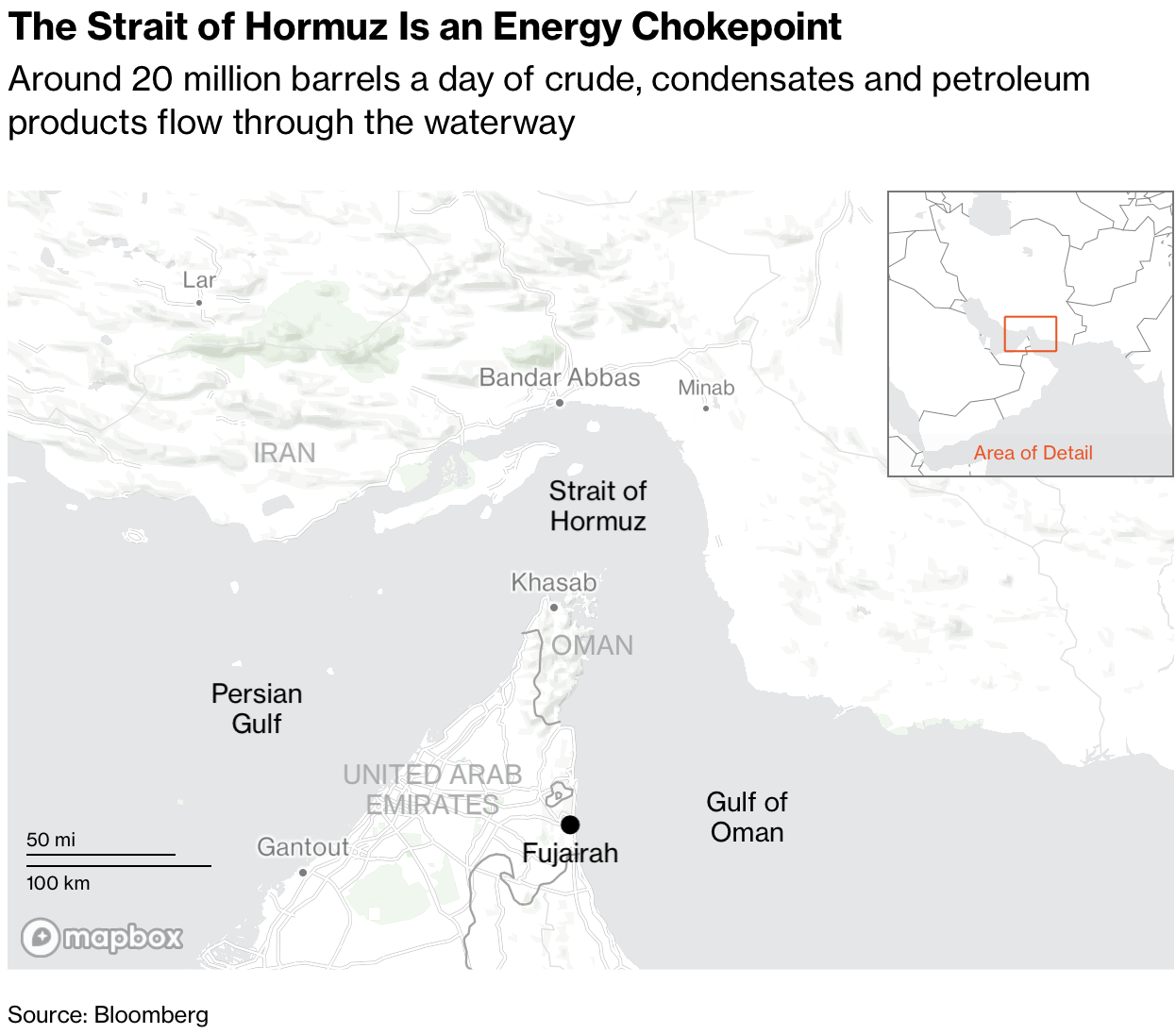
As US-Iran tensions rise, some supertankers are accelerating through the Strait of Hormuz. Ship-tracking data show fully laden VLCCs traveling at up to 17 knots, well above the typical safe top speed of about 13 knots. The narrow waterway carries roughly a quarter of global seaborne oil trade, with around 20 million barrels a day of crude, condensates, and petroleum products passing through. The acceleration follows Iran’s warnings of possible live-firing drills and an increased US military presence in the region.
Vessel-level data illustrate uneven responses. The DHT Jaguar exited the strait at nearly 16 knots after loading almost 2 million barrels of Kuwaiti crude, while the VLCC V. Harmony approached at about 11 knots before speeding up to almost 17 knots on entry. At the same time, many tankers continue to transit at more typical speeds of 11 to 13 knots, indicating that acceleration is selective rather than universal. Some ships are waiting off Oman or near Fujairah to finalize berthing and loading schedules before entering the chokepoint.
Overall traffic has edged lower. On a seven-day rolling basis, the number of crude and product carriers entering the strait fell to 135 from 182 on Jan. 31, while exits declined from 120 to 113. The pool of Aframax-sized vessels and larger loitering outside the strait has risen steadily since Iran announced drills. Although delays allow owners to renegotiate war-risk insurance premiums, those costs have not yet increased materially.