日本在2019年实施加班上限后,如今因劳动力短缺而重新审视相关规定。现行规则通常将加班限制在每月45小时、每年360小时。首相高市早苗已下令评估放宽空间,以缓解人口萎缩背景下的用工压力。日本央行最新短观显示,企业面临34年来最严峻的人手不足;东京商工调查数据称,2025年有创纪录的397家企业因缺工而破产。旅游复苏放大了矛盾:京都一家15间客房的旅馆长期满房,却因加班限制无法扩充工时。
对放宽限制的支持并非只来自企业。基于厚生劳动省数据的测算显示,加班收入约占日本劳动者年收入的6%。加班受限压缩了部分人的薪资,尤其在通胀推升食品与住房成本之际。民调显示,超过60%的受访者支持放宽规定,18至29岁人群支持率升至80%。个案中,包含45小时加班的起薪为月薪25万日元(约1,600美元),反映工资结构对加班的依赖。现行制度亦允许在特殊情况下将加班提高至每月100小时、每年720小时,但行业认为月度弹性仍不足。
反对者警告重蹈过劳死覆辙。厚生劳动省数据显示,2024财年过劳死案件达1,304起,为二十多年来最高;与工作相关的精神疾病病例也首次超过1,000起,约60%归因于管理问题。效率数据亦不支持“延长工时促增长”:日本每小时劳动生产率为60.10美元,低于美国的116.50美元和德国的98.90美元。随着劳动力老龄化、女性占比上升,专家认为回到超长工时模式不可持续,任何“灵活性”都需防止被滥用。
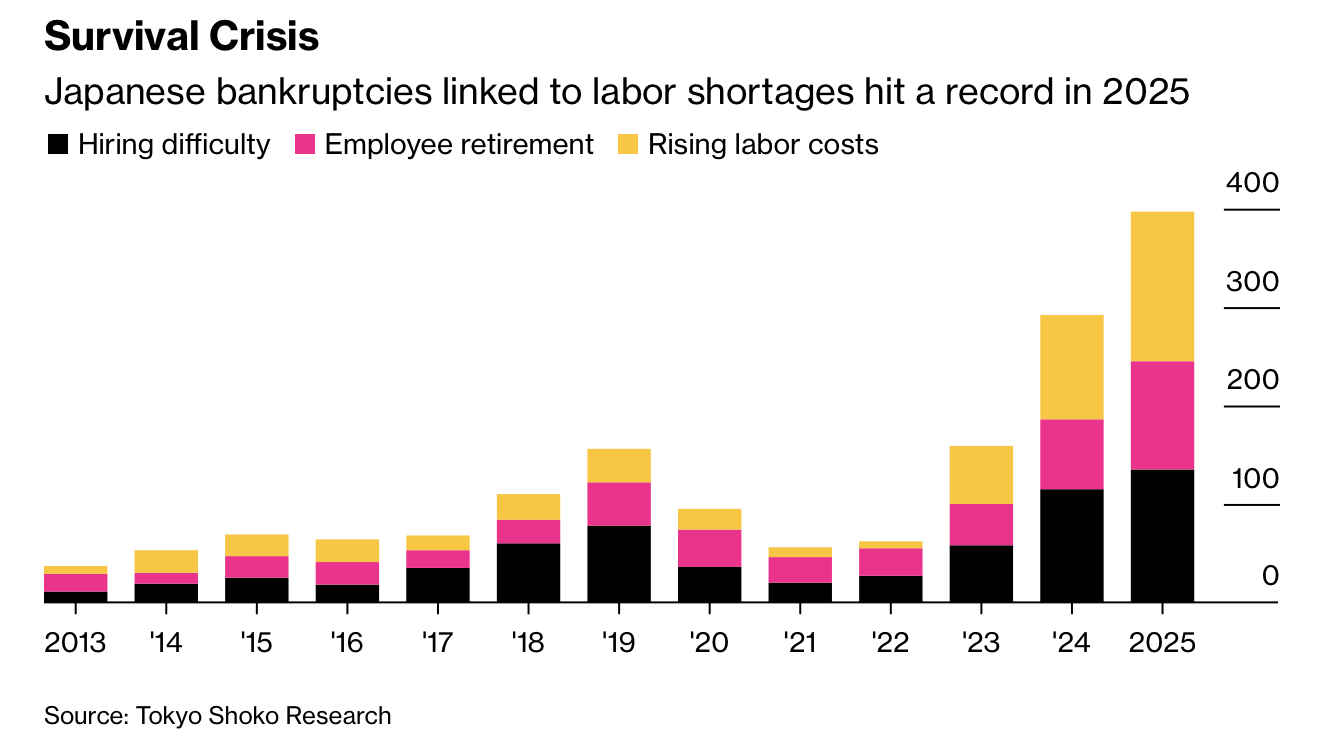
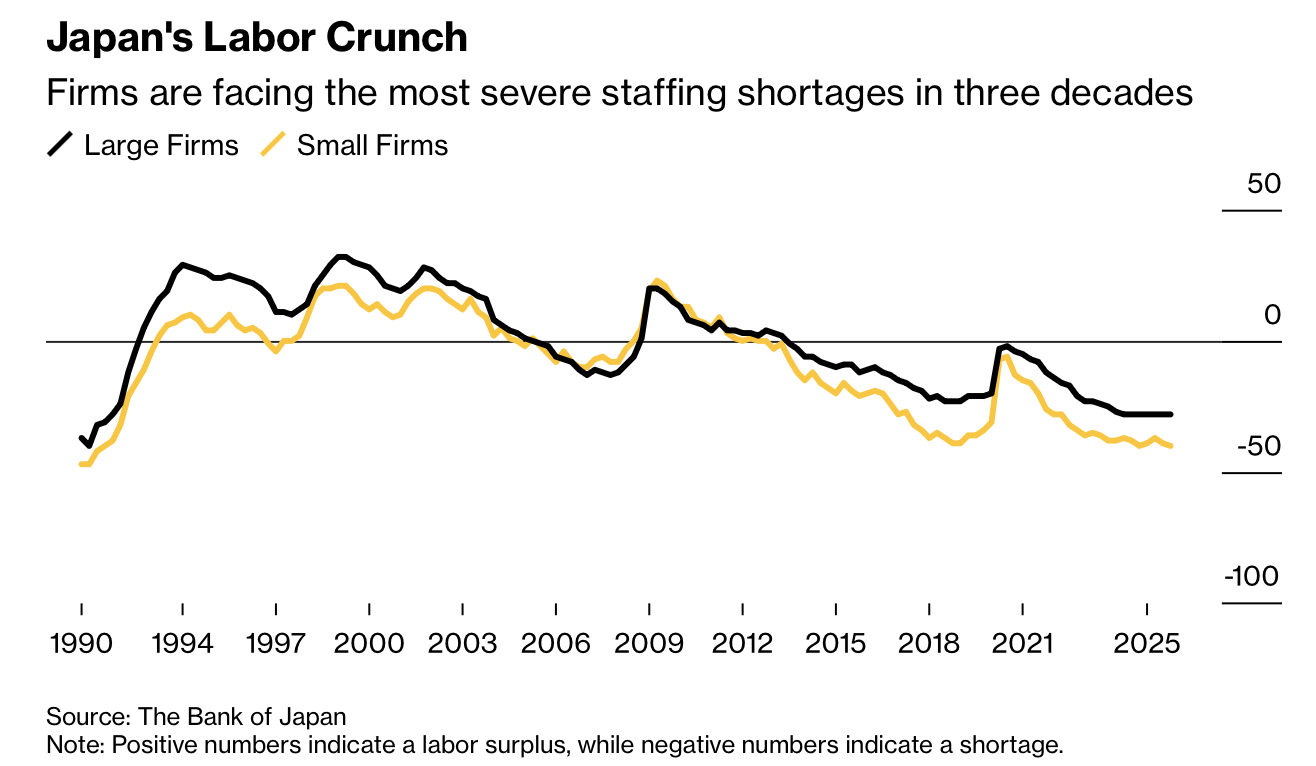
Japan is reconsidering its overtime caps introduced in 2019 as labor shortages intensify. Current rules typically limit overtime to 45 hours per month and 360 hours per year, and Prime Minister Sanae Takaichi has ordered a review to ease hiring pressures amid population decline. The Bank of Japan’s latest Tankan shows the tightest staffing conditions in 34 years, while Tokyo Shoko Research reports a record 397 bankruptcies in 2025 due to worker shortages. The tourism rebound amplifies the strain: a 15-room Kyoto inn has been fully booked for months but cannot extend hours under the caps.
Support for change extends beyond employers. Calculations based on Labor Ministry data indicate overtime pay accounts for about 6% of annual income on average. Tighter limits have cut paychecks for some workers just as inflation lifts food and housing costs. Polls show more than 60% backing deregulation, rising to 80% among ages 18–29. One example cites a starting monthly salary of ¥250,000 (about $1,600) including 45 hours of overtime, underscoring wage structures that assume extra hours. Rules already allow overtime up to 100 hours per month and 720 hours per year in special cases, but industries argue monthly flexibility remains insufficient.
Opponents warn of reviving karoshi risks. Labor Ministry figures show 1,304 karoshi cases in fiscal 2024, the highest in over two decades; work-related mental illness cases also topped 1,000 for the first time, with about 60% citing managerial issues. Productivity data weaken the growth case: Japan’s output per hour is $60.10, far below the US at $116.50 and Germany at $98.90. With an aging workforce and rising female participation, experts argue a return to ultra-long hours is unsustainable, and any “flexibility” must avoid exploitation.