7月下旬,中国东部安徽省的一家法院批准了国厚资产管理公司不寻常的重组方案,使其成为中国处置不良贷款的“拆弹专家”中首家自身需要纾困的机构。中国于1999年成立了首批四大国家级资产管理公司(AMC),旨在剥离四大国有商业银行的不良贷款并在处置后退出。然而,这些机构规模不断扩张,到2018年其合并资产负债表规模已达到约5万亿元人民币(约合7550亿美元)。随着不良债务激增,监管部门自2010年代初起陆续批准设立了60多家地方性AMC,其中大多数由地方政府持有,少数如成立12年的国厚资产则由民营资本控股。
这些资产管理公司并未纯粹用于剥离银行不良贷款,而是利用以低利率从银行借入的资金,向受困企业(特别是目前深陷危机的房地产开发商)提供高息贷款,实质上蜕变成了监管宽松的投资银行。更严重的是,它们广泛协助银行向监管部门隐匿不良债务;学术界估计到2020年此类行为隐匿了中国至少一半的不良贷款。尽管最大且最激进的华融资产在2020年爆雷并接受了66亿美元的国家纾困,其前董事长赖小民亦被处决,但类似操作并未绝迹。国厚资产不仅通过抽屉协议和伪装成股权投资的方式协助银行粉饰账目,自身也因多年经营亏损而无力偿还130亿元人民币的债务。
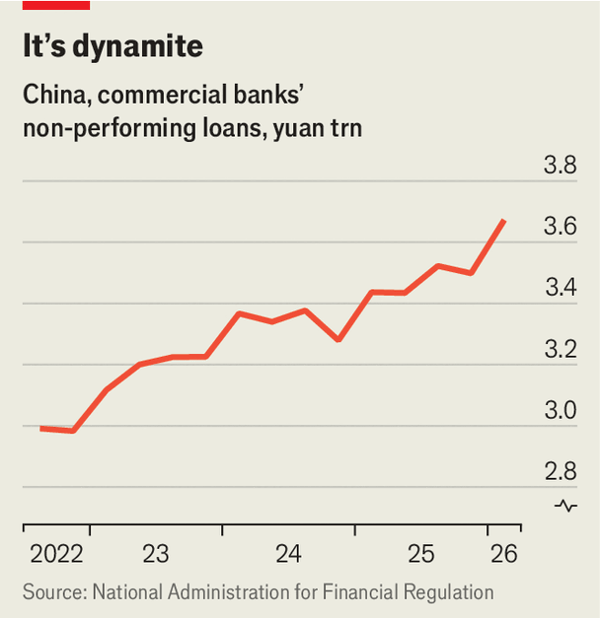
这些隐匿操作表明中国银行业实际的不良贷款规模可能远超官方数据。官方账面上不良贷款从2022年的3万亿元增至今年第一季度的近3.7万亿元,占总资产的1.5%,但随着房地产危机进一步拉低作为抵押品的房产估值,更多坏账和陷入困境的AMC势必浮出水面。大型央企AMC中国信达预计今年上半年净利润将下降多达70%,反映出其底层资产价值的大幅下挫。与此同时,众多面临评级下调或流动性危机的小型地方AMC正濒临破产边缘,凸显了整个不良资产处置体系自身的系统性脆弱。
In late July, a court in eastern China’s Anhui province approved an unusual restructuring proposal for Guohou Asset Management, marking the first time one of China’s dedicated debt-disposal firms has itself required a defusal. Chinese regulators initially established four national asset-management companies (AMCs) under the Ministry of Finance in 1999 to absorb bad loans from the four largest state-owned commercial banks and eventually wind down. Instead, they expanded massively, with their combined balance sheets reaching approximately 5trn yuan ($755bn) by 2018. Following the surge in bad debts during the early 2010s, authorities approved more than 60 provincial or local AMCs, most of which are state-owned while a few, such as 12-year-old Guohou, are privately held.
Rather than merely purging non-performing assets from bank balance sheets, AMCs frequently borrowed from banks at low rates and extended high-interest loans to distressed firms, effectively functioning as lightly regulated shadow investment banks heavily exposed to property developers. Crucially, they developed a widespread practice of helping banks conceal non-performing loans from regulators; academic estimates suggest that by 2020, such practices may have hidden at least half or more of China's bad debt. Even after Huarong, the largest AMC, collapsed in 2020 and required a $6.6bn state bailout, illicit methods persisted. Guohou adopted similar tactics—including masking high-interest debt as equity investments and engaging in short-term "drawer agreements" to temporarily park bad loans—ultimately accumulating unsustainable operating losses and leaving 13bn yuan in unserviceable debt.
These systemic distortions indicate that the true volume of bad loans in Chinese banks likely exceeds official figures, which reported an increase from 3trn yuan in 2022 to nearly 3.7trn yuan in the first quarter of this year, representing 1.5% of total banking assets. As the ongoing property crisis continues to depress collateral values, further distressed loans and fragile AMCs are emerging. Cinda, a major centrally owned AMC, recently projected that its first-half net profit would drop by up to 70%, reflecting deep impairments in its debt-backed portfolios. With smaller local AMCs facing credit downgrades and the imminent risk of insolvency, China's debt-bomb disposal framework is increasingly showing acute signs of internal distress.
Source: Is China’s debt-bomb squad about to blow up?
Subtitle: Firms tasked with defusing credit crises are getting into trouble
Dateline: 8月 13, 2026 03:43 上午 | Shanghai