自助结账展示了不完美技术的采用路径:在 Piggly-Wiggly 于 1916 年在田纳西州孟菲斯推出自助购物之后,Kroger 于 1986 年试行自助结账机,但直到 21 世纪才广泛铺开。
尽管其交互相较熟练收银员更慢且更易出错,零售商仍坚持使用,因为其员工对顾客的比例远低于有人值守通道,在高度竞争的行业中形成持续的成本压力,并逐步改变购物者的行为。
设计取舍在成本、体验与“损耗”(shrink)风险之间权衡:称重台与付费后才开启的出口闸门能减少损失但会增加摩擦,而像 Amazon Go 这样的“拿了就走”概念承诺接近零的损耗却对低毛利杂货而言过于昂贵,因此 NCR-Voyix 等供应商转向渐进式改进,例如用顶置摄像头的 AI 识别物品,但在物品相互覆盖时仍会失误。
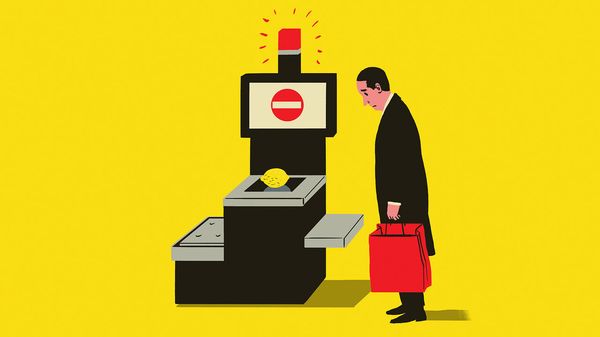
Self-service checkout illustrates adoption of imperfect tech: after Piggly-Wiggly introduced self-service shopping in Memphis, Tennessee in 1916, Kroger trialed self-checkout machines in 1986, yet broad rollout only occurred in the 21st century.
Despite slower, error-prone interactions versus skilled cashiers, retailers keep them because the staff-to-customer ratio is far lower than on assisted lanes, creating persistent cost pressure in a competitive industry and gradually shifting shopper behavior.
Design choices juggle costs, experience, and “shrink” risk: weight scales and paid-exit gates can reduce losses but add friction, while “just-walk-out” concepts like Amazon Go promise near-zero shrink yet are too expensive for low-margin groceries, so vendors such as NCR-Voyix pursue incremental gains like overhead-camera AI that still fails when items overlap.
Source: The parable of the supermarket self-checkout
Subtitle: How imperfect technologies spread
Dateline: 1月 15, 2026 05:53 上午