8月19日,美国财政部长斯科特·贝森特(Scott Bessent)宣布财政部将动用财政部一般账户(TGA)资金,回购数百亿美元的长期国债以压低收益率。当前,美以与伊朗冲突推高油价、AI数据中心建设加剧资本争夺,加之美国财政赤字高达GDP的6%(创下非战争与衰退时期的历史新高,且利息支出已占赤字一半以上),使贝森特提出的2028年将赤字降至3%的目标显得脱离实际。在距中期选举不足十周之际,汽油价格与30年期房贷利率持续走高,迫使特朗普政府急于干预债市。
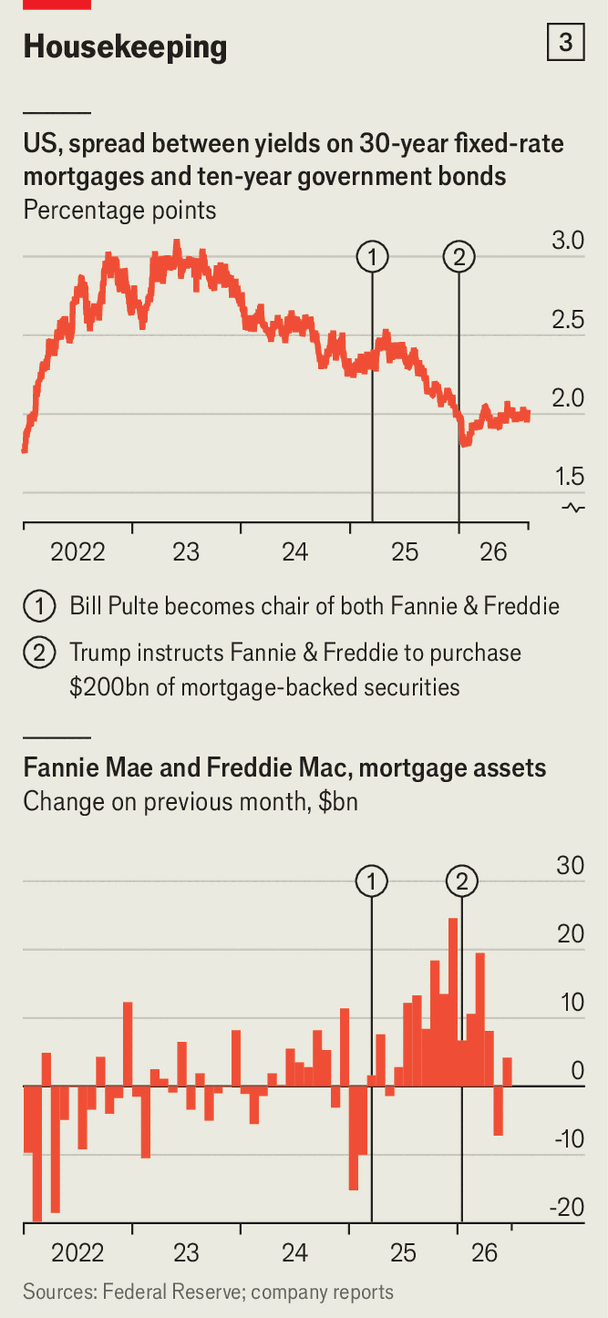
贝森特此前曾严厉批评前任财长耶伦缩短发债期限是“激进发债干预”,但其如今推出的长债回购操作在本质上同出一辙,甚至更为激进。其前雇主斯坦利·德鲁肯米勒(Stanley Druckenmiller)公开抨击该举措,敦促其“让债券市场自己发声”。除国债回购外,财政部还采取了一系列协同干预手段:在7月美日汇率干预中刻意保护美债、与阿联酋商讨建立美元互换额度以防其抛售美债、促使房利美与房地美增持抵押贷款支持证券(MBS)以压低房贷利率,并动用金融手段支持阿根廷总统米莱的选情。
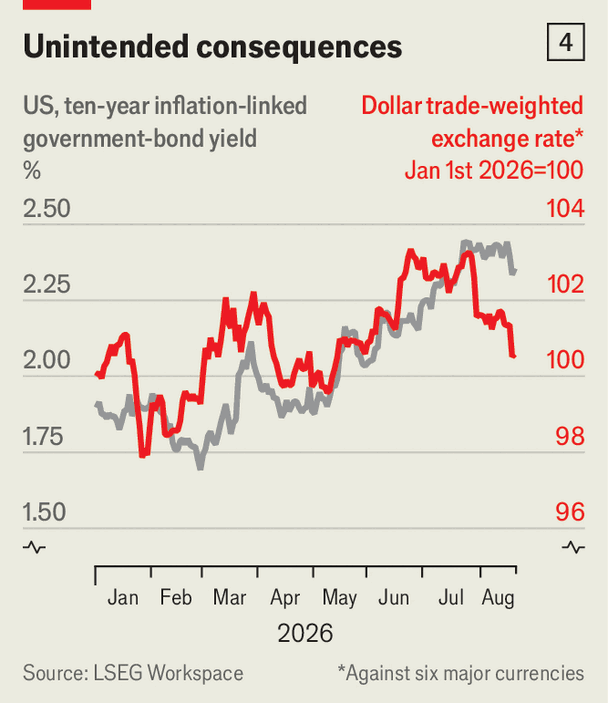
然而,人为压低收益率伴随着剧烈的市场副作用。回购消息公布后美元汇率大幅下挫而黄金价格飙升,凸显出投资者对美国主权资产信用的深层怀疑。长债收益率走低与美元贬值实质上构成了宽松刺激,这与美联储坚持将通胀压回2%目标的政策取向直接冲突,新任主席凯文·沃什(Kevin Warsh)已明确反对量化宽松并主张减少市场干预。这种财政部单边“宽松”与美联储潜在“紧缩”的政策拉锯,正将美国国债市场推向政治化与“金融抑制”(financial repression)的危险境地。
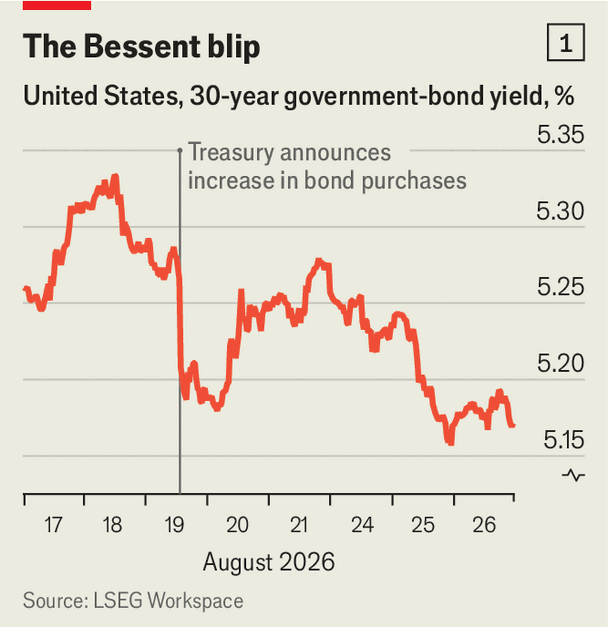
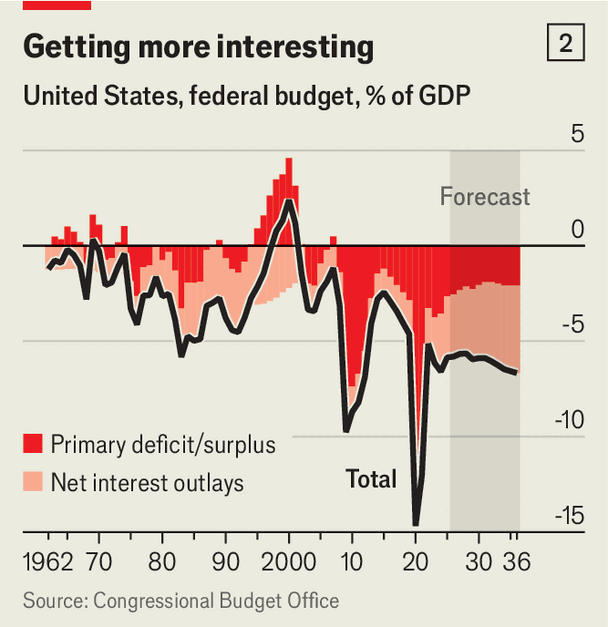
On August 19th, US Treasury Secretary Scott Bessent announced plans to buy back tens of billions of dollars in long-dated sovereign bonds, funded through the Treasury General Account (TGA) to artificially cap yields. Rising bond yields have been fueled by Middle Eastern geopolitical tensions following the February conflict with Iran, heavy corporate borrowing for artificial intelligence data centres, and an alarming US budget deficit standing at 6% of GDP—the widest on record outside wars or recessions, with interest expenses exceeding half the total deficit. With the midterm elections less than ten weeks away, elevated petrol prices and 30-year mortgage rates have heightened political pressure on the administration.
Despite having previously condemned former Treasury Secretary Janet Yellen’s short-dated issuance strategy as politically driven market manipulation, Bessent has escalated activist interventions, drawing sharp public rebukes from veteran macro investor Stanley Druckenmiller. Beyond bond buy-backs, Bessent orchestrated a July currency intervention with Japan to insulate Treasuries, initiated discussions for a dollar swap line with the UAE to prevent sovereign wealth liquidations, pushed Fannie Mae and Freddie Mac to expand mortgage-backed security purchases, and deployed financial support for Argentine President Javier Milei during elections.
However, artificial market suppression has activated critical market release valves: following the buy-back announcement, the US dollar depreciated sharply while gold surged, reflecting growing investor distrust. Artificially lower bond yields paired with currency depreciation generate economic stimulus, conflicting directly with Federal Reserve Chair Kevin Warsh's mandate to restore inflation to the 2% target without market-distorting quantitative easing. This looming institutional tug-of-war between Treasury easing and Fed tightening threatens to introduce dangerous financial repression into the world's benchmark debt market.
Source: Scott Bessent takes on the bond market
Subtitle: And makes trouble for the Fed
Dateline: Aug 27th 2026