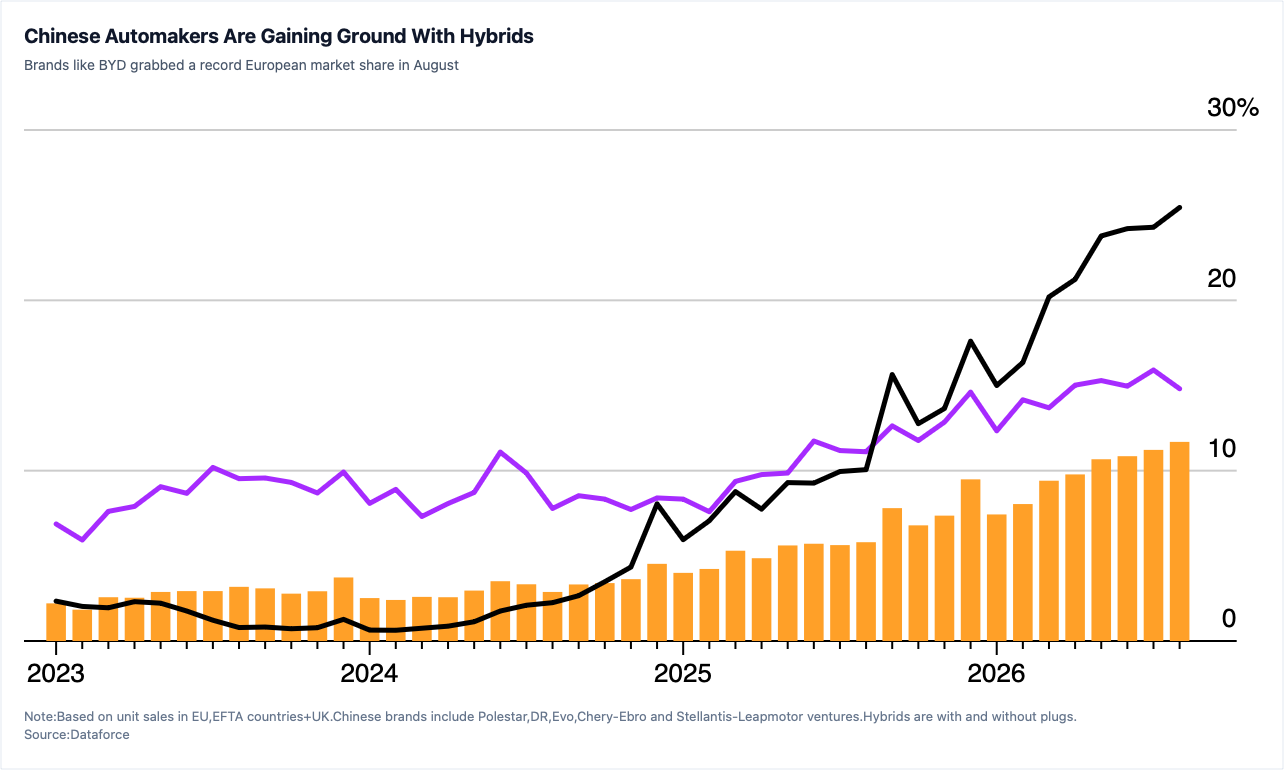
此项协议为双方后续谈判争取了宝贵时间,并计划于明年1月与3月展开进一步会谈。分析人士认为这对北京而言是一次重大战略胜利,因为中国以审查与对话等承诺换取了避免更严厉的贸易制裁,却未在导致欧盟每日逾10亿欧元贸易逆差的结构性根源上做出实质让步。对中国车企而言,此前油电混合车因避开纯电车关税而在欧洲斩获大量市占,如今的协议有助于在一定程度上稳定其海外出海通道。
面对中国制造业在国内消费疲软下的大量外溢,德法等欧洲大国曾呼吁采取更强硬手段以保护化工与塑胶等本土产业。然而,欧洲官员推动汽车领域限制已耗费庞大政治资本,难以轻易复制至其他行业。同时,北京掌握稀土等关键供应链筹码,限制措施若过度升级恐引发贸易战,因此双方目前均倾向透过世贸组织框架下的协商达成妥协,以暂时缓和双边经贸紧张局势。
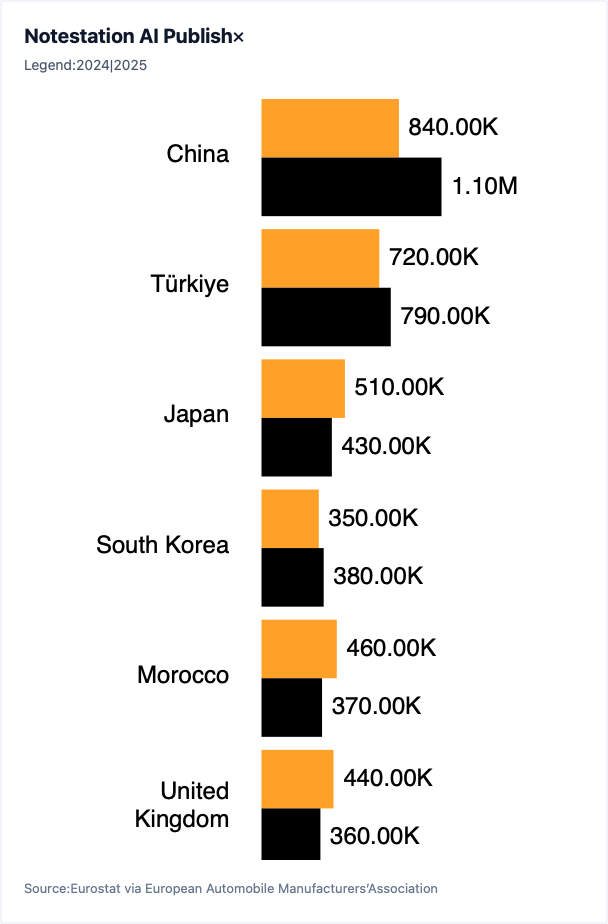
China and the European Union have reached a 16-point consensus on trade and investment, which includes an agreement to curb exports of Chinese hybrid vehicles to the bloc. Under the proposed plan, the EU will set an annual import cap of 350,000 Chinese hybrid vehicles starting as early as December 1, with the quota increasing by 6% annually from the second year over a four-year period. By employing safeguard measures like tariff-rate quotas compliant with World Trade Organization rules, the EU aims to shield its domestic automotive industry and employment from an influx of imports.
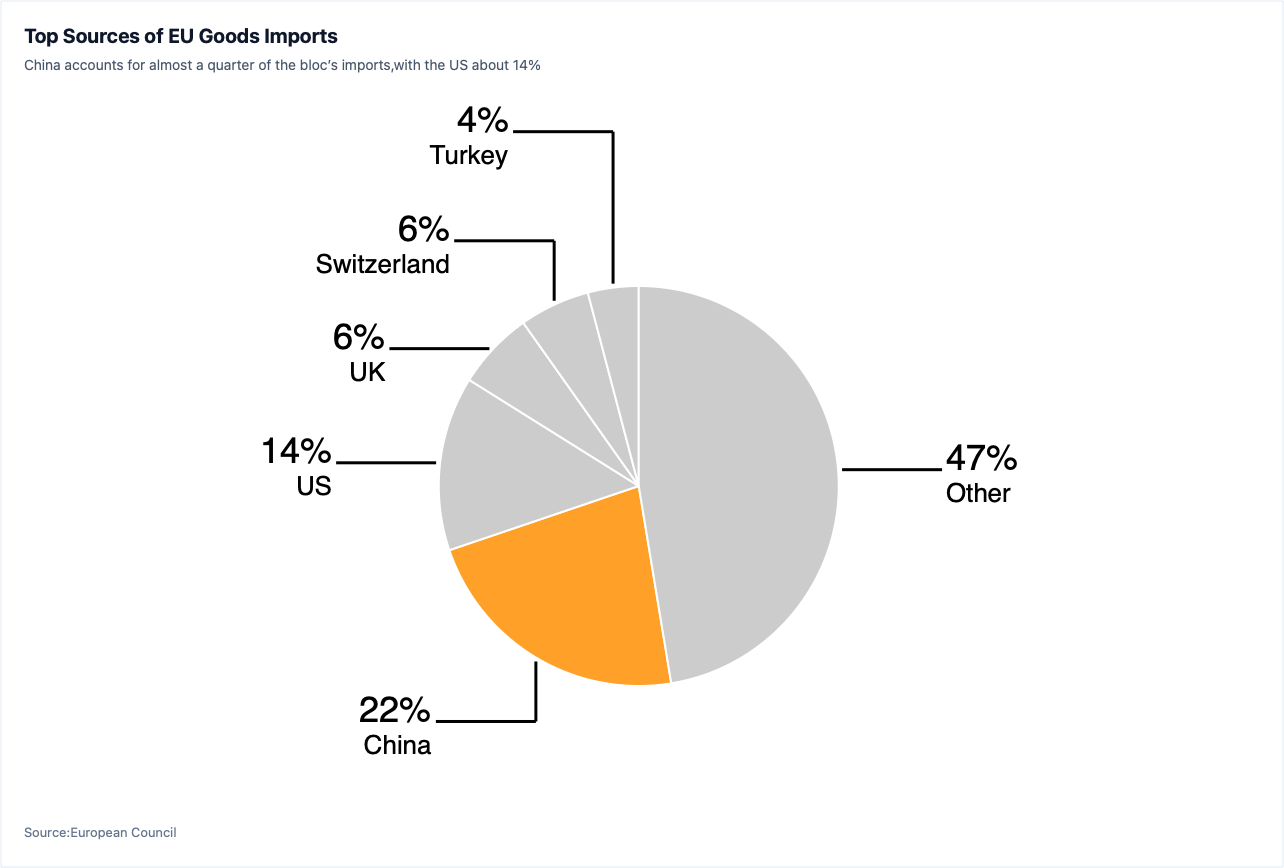
The agreement buys critical time for both sides, with further rounds of negotiations planned for January and March. Analysts view this outcome as a strategic victory for Beijing, as it made minimal concessions regarding the structural drivers behind the EU's massive trade deficit, which currently exceeds €1 billion per day. Chinese automakers had significantly expanded their European market share using hybrids that evaded earlier electric vehicle tariffs, and the new deal allows China to avert harsher punitive restrictions without fundamentally altering broader bilateral trade dynamics.
Despite calls from France and Germany for more aggressive trade defense instruments across sectors such as chemicals and plastics, European policymakers expended immense political capital just to reach the automotive compromise, making it difficult to replicate in other industries. Furthermore, aggressive trade barriers could provoke retaliation from Beijing, which holds strategic leverage through its dominance over critical rare-earth supplies. Consequently, both parties preferred reaching a WTO-consistent compromise to de-escalate tensions and prevent a mutually detrimental trade conflict.