日本“就业冰河期”世代(在1993至2004年泡沫经济破裂后步入职场的X世代群体)正面临二次边缘化的严峻困境:随着1980年代泡沫期求职比例从顶峰的近3:1骤降至2000年的不足1:1,这一庞大的人口高峰群体因企业冻结招聘而被迫大量沦为非正规就业的“飞特族”(freeters)或啃老族。如今,尽管日本摆脱了长达30年的通缩,迎来了数十年来最大规模的企业加薪潮,但企业为争夺稀缺劳动力将资源极度向年轻人倾斜,导致不同代际间的薪资差距急剧拉大。
统计数据显示出冰河期群体的收入停滞与代际不平等:第一生命经济研究所的数据显示,2020年至2025年间,日本20至30岁拥有大学学历的年轻员工名义工资大幅增长10%至16%,而50岁出头的冰河期员工名义工资反而下降了1.3%;尽管劳动力短缺使该群体正规就业率有所回升,但因长期缺乏跳槽流动性以及公司高层被泡沫世代长期占据,其中年职业晋升受阻,薪资长期停滞(例如50岁仓库员工年薪仅约360万日元/22,600美元)。
冰河期群体极低的终身收入和微薄的储蓄正酝酿着系统性的老龄化社会危机:由于日本养老金发放额度直接与终身收入挂钩,数十年的薪资压制将直接转化为极低的退休金待遇,加之该群体住房自有率显著偏低且租房市场对高龄租客极不友好,许多人退休后可能被迫依赖国家全额兜底医疗支出的长期社会福利救济;尽管日本政府于4月推出了涵盖资产积累和住房保障的三年专项援助计划,但在少子老龄化背景下,由规模更小的新生代供养庞大冰河期退休人口的财政重压将极其严峻。
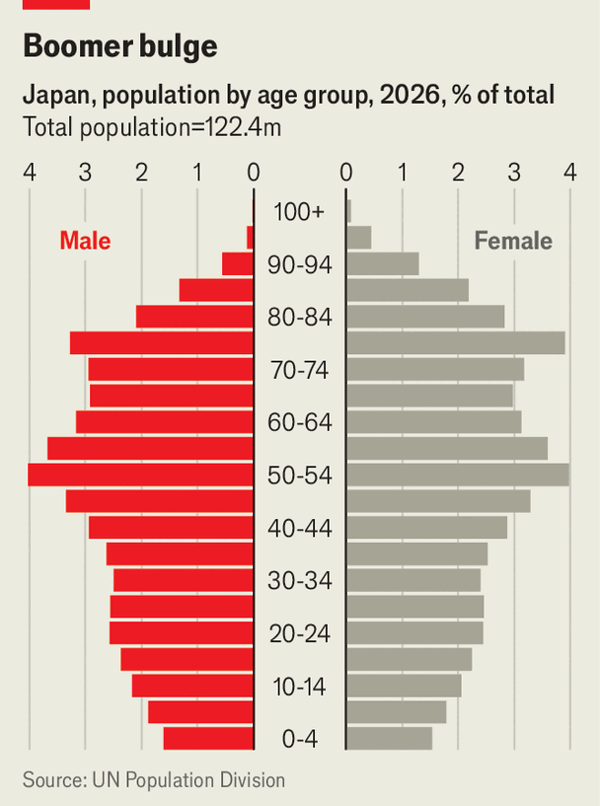
Japan’s "employment ice-age" generation—Generation X workers who entered the job market between 1993 and 2004 after the bubble economy burst—faces renewed economic marginalization: as the ratio of job openings to university applicants plummeted from nearly 3:1 at its 1980s peak to below 1:1 by 2000, millions were relegated to precarious, low-paid irregular employment. Today, while Japan exits three decades of deflation with the largest corporate wage hikes in a generation, intense corporate competition for scarce fresh graduates leaves middle-aged workers excluded from the benefits.
Statistical evidence underscores widening generational disparities: according to Dai-ichi Life Research Institute, nominal wages for university-educated workers in their 20s and 30s rose by 10–16% between 2020 and 2025, whereas employees in their early 50s experienced a nominal wage decline of 1.3%. Although acute labour shortages have helped ice-agers transition into regular jobs, low job mobility and promotion bottlenecks beneath long-tenured bubble-era cohorts have capped their earning trajectories—leaving 50-year-olds earning modest incomes around ¥3.6m ($22,600) annually.
This lifetime earnings suppression portends a systemic retirement crisis as the demographic bulge approaches old age: because Japanese state pensions depend directly on lifetime earnings, suppressed pay translates into meager retirement stipends compounded by low homeownership rates and a rental market hostile to elderly tenants. With many risks of falling onto state welfare—where the government fully absorbs healthcare expenses—amid a shrinking young workforce supporting expanding pensioners, the government's newly launched three-year support plan in April addressing housing and assets remains a belated response to looming fiscal strain.
Source: Japan’s Gen X workers are struggling
Subtitle: The “ice-age” generation has been cursed several times over
Dateline: 8月 20, 2026 05:59 上午 | TOKYO