这些结构性股权交易结合了股票和债务的特征,允许私募股权公司在不增加企业传统债务负担的情况下,从现有投资组合中榨取现金。这不仅能让他们保留那些目前无法高价出售或具备进一步成长潜力的公司,还能提供资金方极具吸引力的双位数报酬率。
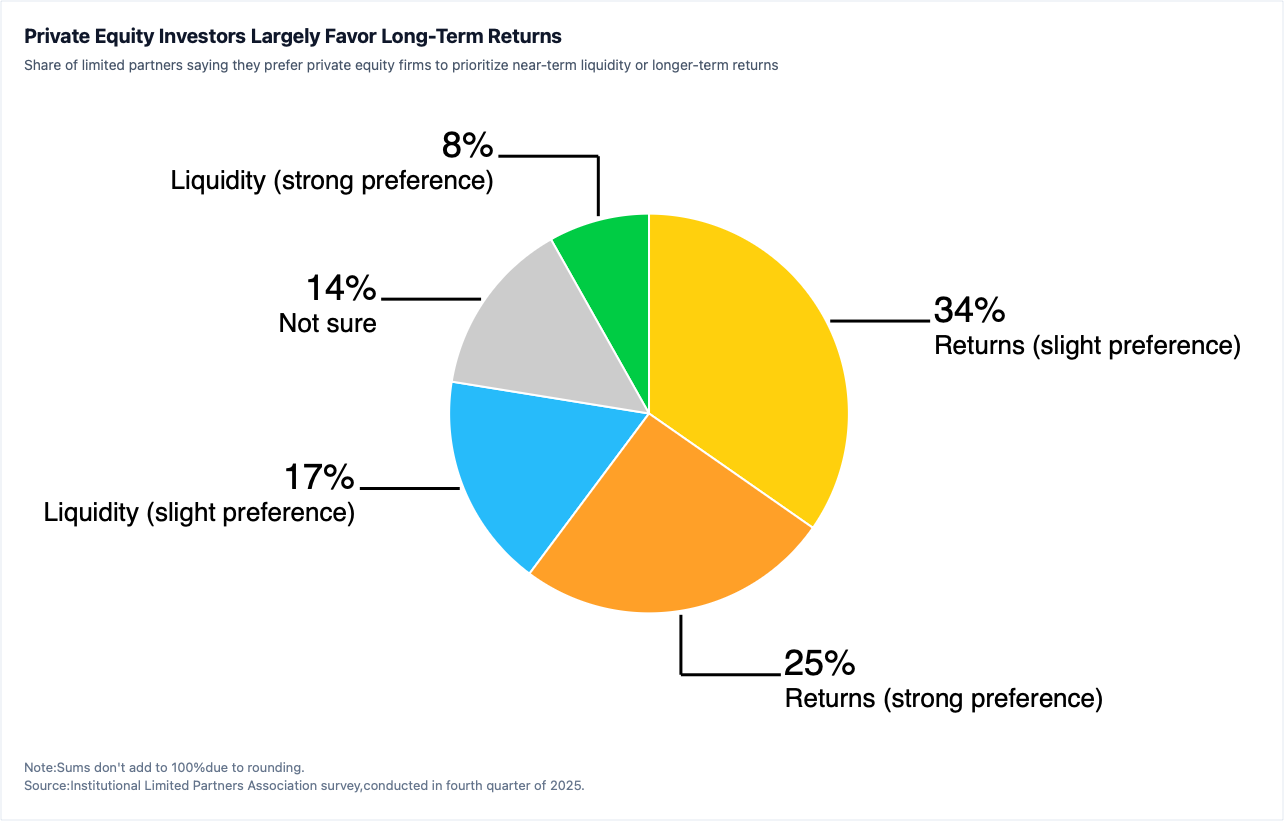
尽管这些创新工具成功提高了对有限合伙人的资本分配率,但怀疑论者认为这只是代价高昂的权宜之计,并非真正的资产退出。许多机构投资者担心这种做法可能会为了短期流动性而牺牲长期回报,并强调在追求提早派息与维持长期投资效益之间需要更审慎的平衡。
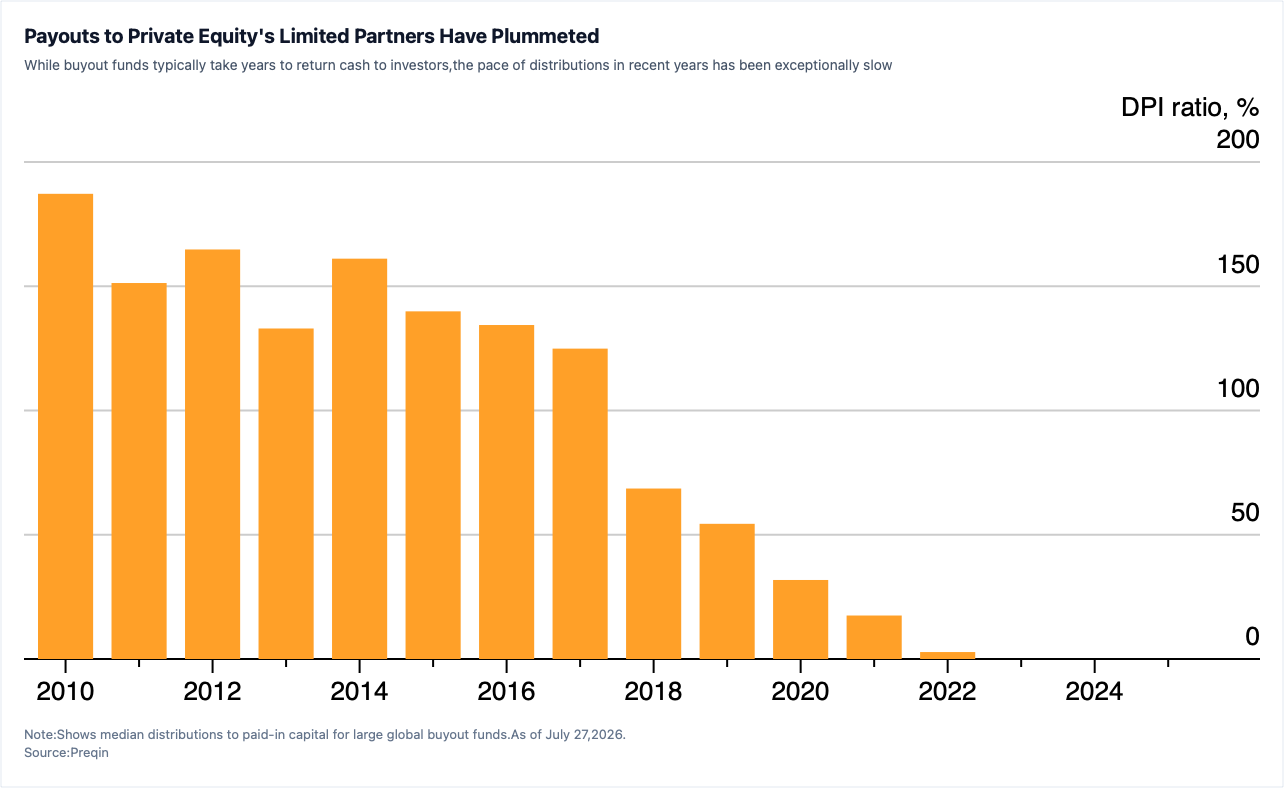
Private equity managers are facing a significant challenge as higher interest rates make it difficult to sell portfolio companies at ideal valuations, leaving them unable to smoothly return cash to frustrated investors. To address this exit dilemma and boost key fund performance metrics, these firms have increasingly adopted a financial engineering technique known as "structured equity."
These structured equity deals blend features of stock and debt, allowing private equity firms to wring cash out of existing portfolios without adding to the conventional debt burdens of the businesses. This not only lets them hold onto companies that cannot currently be sold at a high price or have further growth potential, but also offers capital providers attractive double-digit returns.
Although these innovative tools successfully improve the distribution to paid-in capital ratio for limited partners, skeptics view them as a costly stopgap rather than true asset exits. Many institutional investors worry that this approach might sacrifice long-term returns for short-term liquidity, emphasizing the need for a more careful balance between pursuing early payouts and maintaining long-term investment benefits.