一块位于英国英格兰多塞特郡、面积2,700英亩(1,100公顷)的詹姆斯·鲍迪奇农场杂地,如今将最不整齐的四分之一改种野花并正在等待一个环境项目审批后种树。 英国超过三分之二土地是农田,且2021年至2025年间,可耕地中用于休耕或非作物用途面积从231,000公顷翻倍到545,000公顷(约占全部农田的十分之一),同时育种育肥牛和绵羊数量都在下降。
自2020年退出欧盟共同农业政策后,英国从2021年起持续削减按面积发放的传统补贴,明年计划完全取消,并用“公共品导向”的菜单式支付替代。 新的支付标准包括冬季留茬每公顷58英镑(有利于云雀和黄鹂)和野花播种每公顷739英镑;7.5万公顷用于“冬季供鸟食”种植,逾200家约10万家农场至少有四分之五土地退出生产,然而2024—2025年度农场平均收入仍约71,000英镑,而2025年4月调查显示仅6%的农户计划未来五年内离开农业。
平均品质三等耕地十年间仅上涨12%,明显低于仍在高额补贴体系下的苏格兰和威尔士,反映出土地产值并未因取消补贴而大幅下滑;农田鸟类总体仍在下降,蝴蝶也未见明显好转,尽管某些物种如黑尾鸽与云雀有局部改善。 当前两大矛盾是制度匹配与市场波动:约三分之一耕地由租约短至一年的佃农经营,环境措施多要求三年至20年,但租期不稳;此外从2022—2023年乌克兰战争推动谷物盈利到2024年乳价高点后回落,再到中东局势抬高化肥价格,说明农产品价格不稳可能再次触发恢复补贴的压力。
One rugged quarter of James Bowditch’s 2,700-acre (1,100-hectare) Dorset farm is now used for wildflowers, and tree planting is expected if an environmental project is approved. This sits within a wider shift in England, where more than two-thirds of the country is farmland, and arable land used as fallow or for non-crop purposes rose from 231,000 hectares in 2021 to 545,000 in 2025 (about one-tenth of farmland), while breeding beef cattle and sheep numbers are declining.
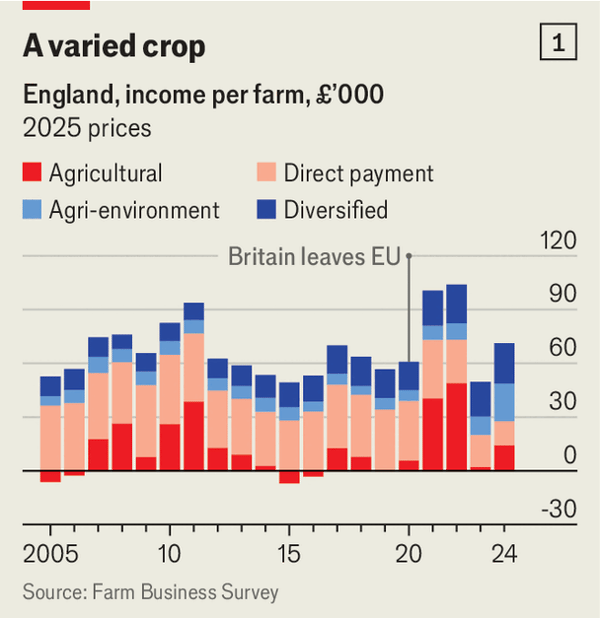
After leaving the EU’s CAP in 2020, England has reduced traditional per-hectare subsidies since 2021 and plans to end them next year, replacing them with payments tied to public goods. Environmental support includes £58 per hectare for winter stubble (benefiting skylarks and yellowhammers) and £739 per hectare for wildflower mixes; 75,000 hectares went into bird-food planting, over 200 of roughly 100,000 farms removed at least four-fifths of land from production, yet average farm income in 2024–25 remained about £71,000 and a 2025 survey found only 6% intending to quit farming within five years.
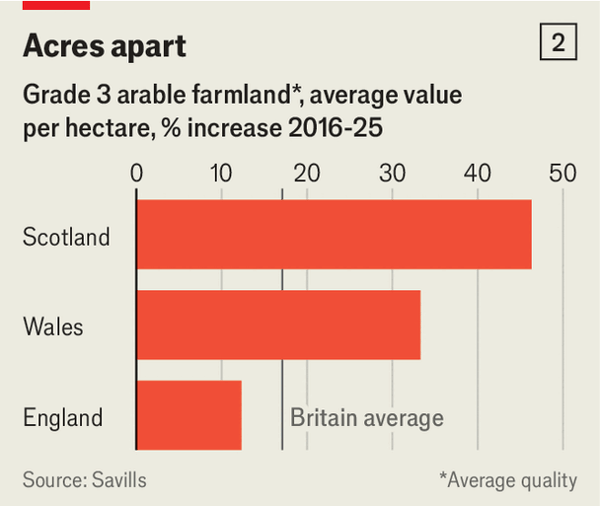
Grade-three arable land prices rose only 12% over a decade, while prices in subsidy-intensive Scotland and Wales rose more, and farmland rents have edged down, while biodiversity trends remain mixed with corn buntings and skylarks improving in places but overall farmland birds still declining and butterflies showing little recovery. Two structural frictions persist: about one-third of farmland is run by tenant farmers on leases as short as one year, which clashes with three-year payment cycles and 20-year landscape projects, and the market remains volatile, with grain profits surging in 2022–23 after the Ukraine war, dairy highs and then declines in 2024, rising fertilizer costs amid Middle East tensions, and increasingly likely calls to restore subsidies.
Source: English farming is changing quickly, for the better
Subtitle: A lesson to other countries
Dateline: 3月 26, 2026 04:45 上午 | NETHERBURY