人工智能引发的财富浪潮正在深刻重塑韩国经济与社会结构。作为全球AI产业链中高带宽内存(HBM)芯片的核心提供者,韩国半导体巨头迎来了爆发式增长。三星电子第二季度营业利润同比激增1800%至89.5万亿韩元(630亿美元),SK海力士同期营业利润增幅达557%。半导体工程师一跃成为与医生、律师平起平坐的择偶首选,SK海力士将10%的营业利润用于发放奖金,部分三星员工奖金甚至突破40万美元,在全国平均年薪不足4万美元的背景下培育出了全新的“硅领”阶层。
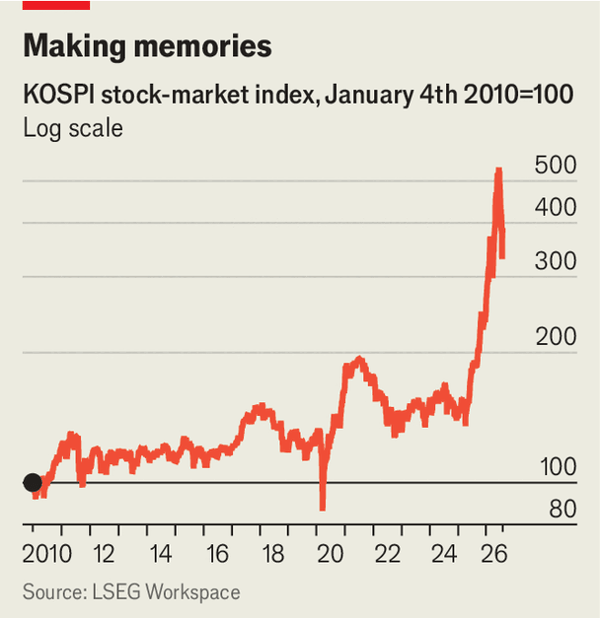
然而,AI红利的高度集中也带来了严重的经济波动与不平等。韩国KOSPI指数在过去一年中翻倍,但仅在7月份就下挫22%,成为全球波动性最大的股市。虽然政府将2026年GDP增长预期从2%上调至3%,但消费增长主要局限于半导体工厂周边;在5月和6月注入78万亿韩元(540亿美元)入市的散户投资者因7月股市回调受到重创。面对急剧扩大的财富差距,韩国社会围绕是否应当征收暴利税、发放“国民股利”或无条件基本收入展开了激烈辩论。
为妥善管理巨额财政盈余并维系长期竞争力,韩国政府正试图建立可持续的财税调节机制。受益于两大芯片巨头交纳的税款,韩国明年总税收预计将达到创纪录的500万亿韩元(占GDP的17%)。总统李在明宣布设立“未来应对基金”,利用超额税收支持青年、区域发展和教育,并计划向主权财富基金(韩国投资公社)注资至少20万亿韩元(140亿美元)用于AI及基础设施投资。这一系列调控举措为其他即将迎来AI财富冲击的国家提供了重要的政策试验样本。
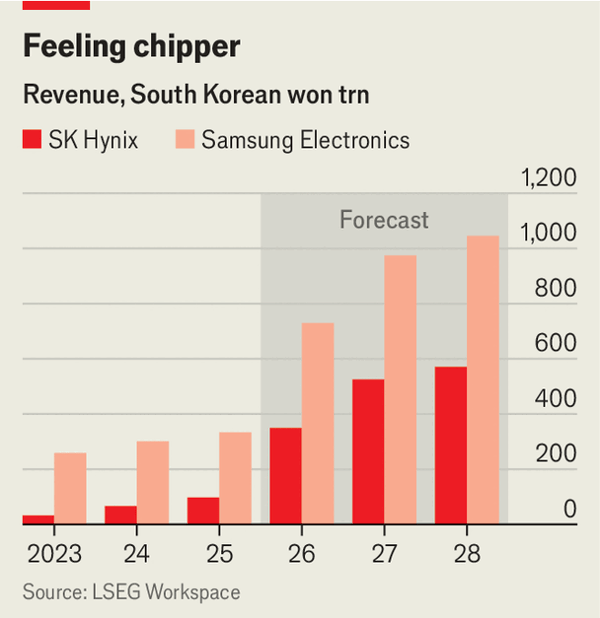
An unprecedented wave of AI-driven capital is transforming South Korea’s economy, fueled by its semiconductor giants supplying high-bandwidth memory (HBM) chips for global AI infrastructure. In the second quarter, Samsung Electronics posted an operating profit of 89.5 trillion won ($63 billion), up 1,800% year-on-year, while SK Hynix saw its operating profit surge by 557%. Bonuses for top semiconductor workers exceeded $400,000—over ten times the nation's $40,000 average salary—minting a new "silicon-collar" elite whose engineers are now as highly sought-after as doctors and lawyers in South Korean society.
However, this AI windfall has created intense stock market volatility and economic bifurcation. While the benchmark KOSPI index doubled over the past year, it dropped 22% in July alone, making it the world's most volatile stock market and burning retail investors who had poured 78 trillion won ($54 billion) into equities during May and June. Furthermore, while the government raised its 2026 GDP growth forecast from 2% to 3% driven by technology exports, domestic consumer spending outside semiconductor hubs remains sluggish. This inequality has sparked contentious political debates in Seoul regarding windfall taxes, citizen dividends, and universal basic income.
To harness this fiscal surge, the South Korean government is implementing long-term wealth management policies funded by record corporate revenues. Driven by semiconductor taxation, national tax receipts are projected to reach a record 500 trillion won next year, or 17% of GDP. President Lee Jae Myung’s administration launched a "Future Response Fund" to direct tax surpluses toward regional development and youth education, alongside injecting at least 20 trillion won ($14 billion) into the Korea Investment Corporation for AI infrastructure, balancing private sector incentives with national strategic competitiveness.
Source: How AI-fuelled wealth is reshaping South Korea
Subtitle: Leaders must decide how to manage a big windfall
Dateline: 8月 06, 2026 05:10 上午 | Seoul