中国正在全面推动人工智能与实体经济的深度融合,旨在通过“具身智能”缓解人口老龄化带来的劳动力短缺,并巩固其全球产业竞争力。然而,这种技术跃迁正在对全球庞大的劳动力市场造成剧烈冲击。以微短剧产业为例,这一在2025年达到1,000亿元(150亿美元)规模、创造了约70万直接和130万间接就业的爆发性行业,在字节跳动于2026年2月推出Seedance 2.0生成式AI模型后遭遇颠覆:制作周期从数周缩短至数天,成本降低高达90%,导致大量演员和剧组人员失业并转向零工经济。
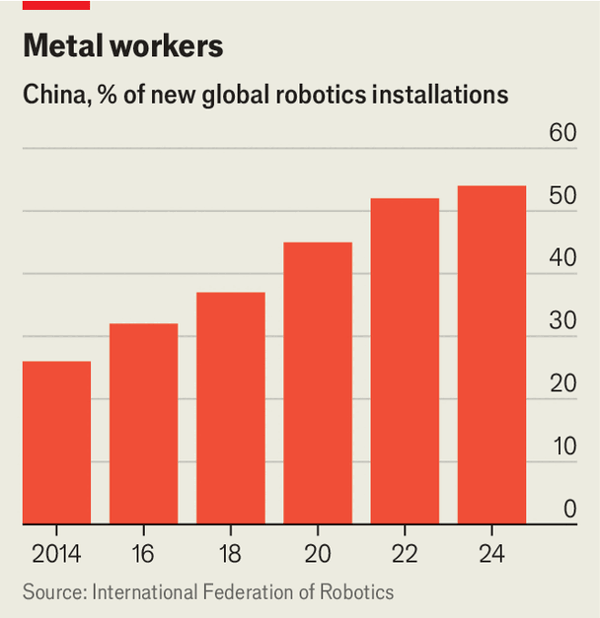
在物流与工业制造领域,自动化替代的进程同样迅速。中国3,800万名公路货运司机承担了全国70%以上的货运量,而赢彻科技(Inceptio)的驾驶辅助系统已安装7,000套,预计年内将超1万套,使物流企业能减少30%的司机配置并节省3-4%的运输成本。京东集团更计划在未来五年采购300万台机器人、100万辆无人车及10万架无人机。在工业领域,中国2024年安装了近30万台工业机器人(占全球总量的一半以上),机器人保有量达200万台;摩根士丹利预测中国人形机器人销量将从2026年的5万台(20亿美元)激增至2030年的44.6万台(150亿美元)。
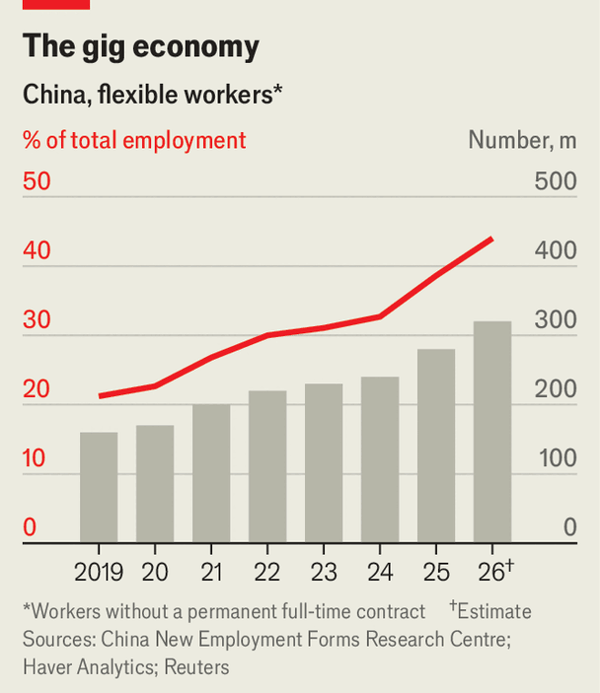
AI对就业的侵蚀引发了官方对社会稳定的深度担忧。随着中国“灵活就业”群体规模预计在2026年飙升至3.2亿人(高于2025年的2.8亿和2019年的1.6亿),而青年失业率居高不下,政府开始采取干预措施限制无序裁员。例如,杭州法院裁定金融科技公司以AI替代为由解雇员工属于违法,官方亦出面警告企业不得将AI作为裁员借口。虽然政府正通过高校新增“具身智能”等专业加速人才转型,并有学者建议征收机器人税以资助社保,但在官方对直接发放福利保持谨慎的背景下,如何平衡技术创新与劳动力保护依然是巨大的政策考验。
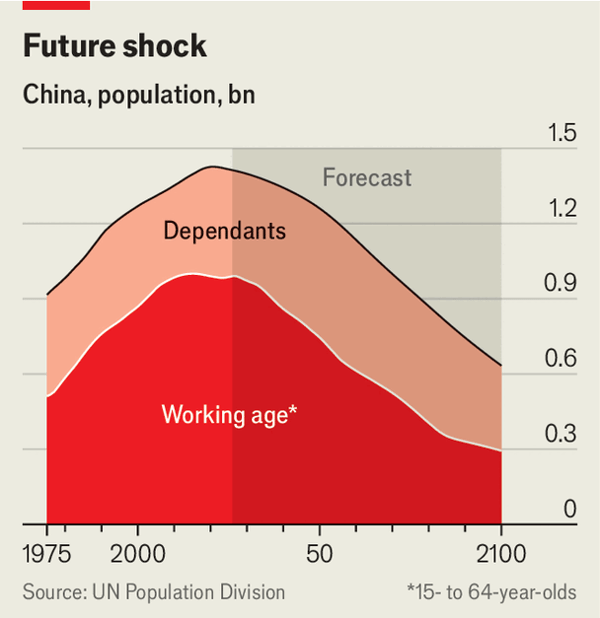
China is aggressively promoting the integration of artificial intelligence and physical automation to mitigate severe workforce aging and maintain global industrial leadership. However, this technological leap is triggering severe labor disruptions. For instance, China's microdrama sector—which expanded into a 100 billion yuan ($15 billion) industry by 2025, generating 700,000 direct and 1.3 million indirect jobs—was upended in February 2026 by ByteDance’s Seedance 2.0 video AI model. Production times plummeted from weeks to days and costs dropped by up to 90%, forcing thousands of actors and crew members into low-wage gig work.
Automation is rapidly reshaping logistics and manufacturing. China’s 38 million lorry drivers handle over 70% of freight volume, but autonomous systems from providers like Inceptio are already deployed in 7,000 trucks (expanding past 10,000 this year), enabling logistics firms to cut driver count by 30% and reduce transport costs by 3-4%. E-commerce giant JD.com plans to deploy 3 million robots, 1 million autonomous vehicles, and 100,000 drones over five years. In industrial manufacturing, China installed nearly 300,000 industrial robots in 2024 alone (over half the global total), bringing its stock to 2 million, while Morgan Stanley projects Chinese humanoid robot sales will surge from 50,000 units ($2 billion) in 2026 to 446,000 ($15 billion) by 2030.
This rapid labor displacement raises profound concerns for political stability. China's informal "flexible workforce" is projected to expand to 320 million people in 2026 (up from 280 million in 2025 and double the 160 million in 2019), compounding persistent youth unemployment. In response, regulators and courts are intervening; for example, a Hangzhou court ruled that firing a tech employee on the grounds of AI replacement was illegal, setting a legal precedent against arbitrary AI-driven lay-offs. Although the state is funding retraining programs and expanding university degrees in "embodied intelligence," managing the transition without triggering widespread social friction remains a formidable national challenge.
Source: China’s AI drive threatens the world’s largest workforce
Subtitle: Chinese leaders worry about workers being displaced by the tech they are promoting
Dateline: 8月 06, 2026 04:03 上午 | SHENZHEN, SUZHOU and ZHENGZHOU