由于企业寻求节省成本,一些公司如Bolt、Meta和Uber已经开始缩减甚至完全裁撤HR部门。然而,专家警告,完全消除HR部门可能会产生严重的后果,因为人类在维持健康企业文化、处理敏感问题以及建立员工信任方面扮演著不可或缺的角色。
为了应对自动化带来的挑战,HR从业人员正努力转型并承担新任务。例如,一些HR领导者开始将IT或软体工程师纳入管理范围,建立内部AI工具,并将自身重新定位为「工作架构师」,负责规划人类与数位劳动力的混合团队。
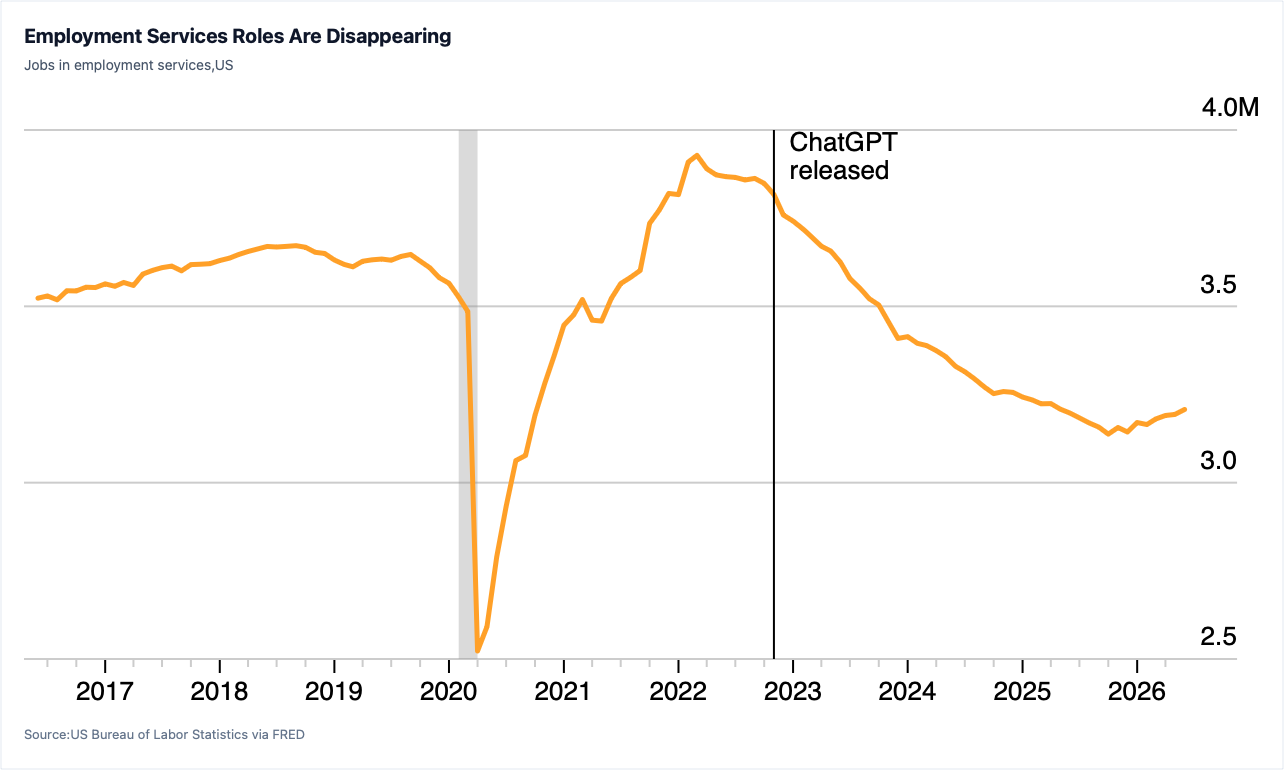
The livelihoods of human resources (HR) professionals are increasingly threatened by the rise of artificial intelligence (AI). Many practitioners fear that AI could automate key HR tasks, such as screening resumes or answering benefits inquiries, with studies suggesting that up to two-thirds of current HR functions could be automated.
Driven by a desire to cut costs, some companies, including Bolt, Meta, and Uber, have already begun downsizing or entirely eliminating their HR departments. However, experts warn that entirely removing HR could have serious consequences, as humans play an indispensable role in maintaining healthy corporate cultures, handling sensitive issues, and building employee trust.
To counter the challenges posed by automation, HR professionals are striving to reinvent themselves and take on new responsibilities. For instance, some HR leaders are bringing IT or software engineers under their purview to build internal AI tools, repositioning themselves as "architects of work" responsible for managing hybrid teams of human and digital labor.