尽管双方都有意愿对话,但中美两国政府间的猜忌依然深重,美国担忧中国企业窃取智慧财产权并利用美国技术训练自家模型。面对美国可能实施的进一步出口管制与制裁威胁,中国商务部警告将采取一切必要措施作为回应,并已开始研拟包含实施反制裁或将美国企业列入限制实体清单等潜在反击方案。
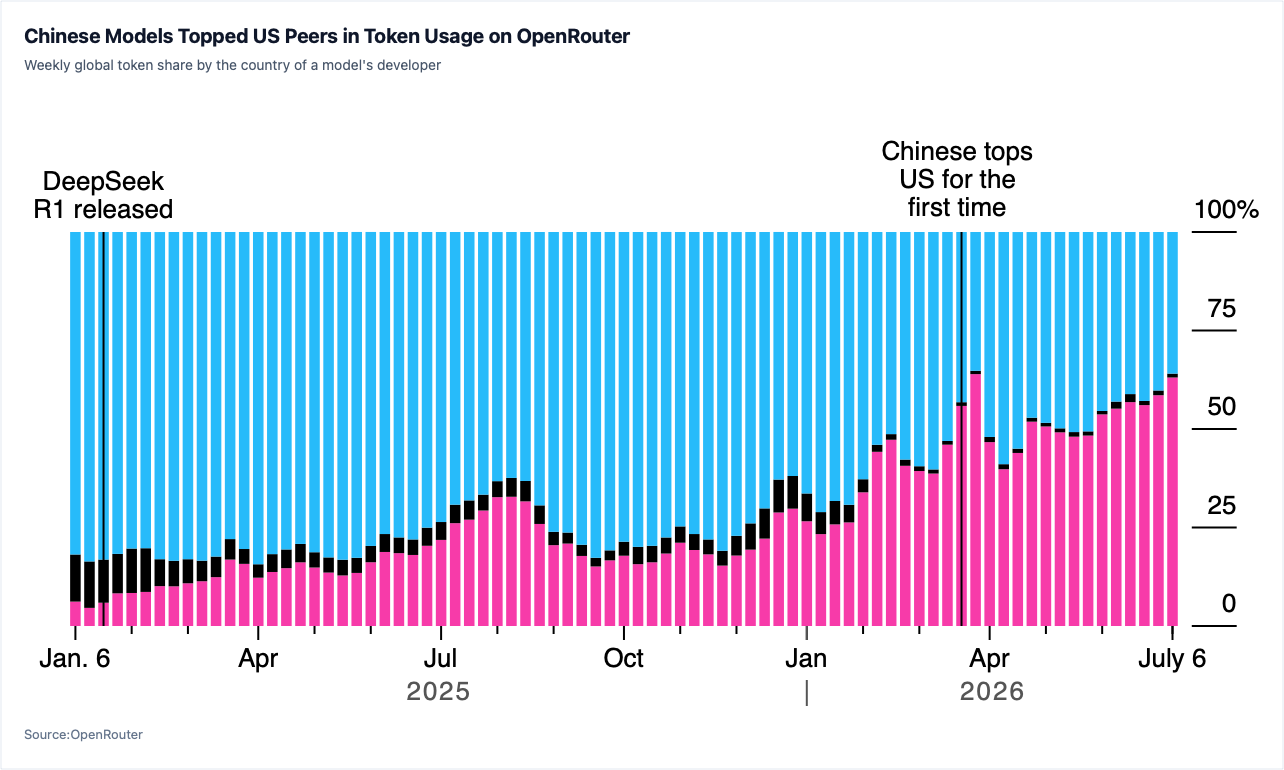
在这场战略竞争中,人工智慧已成为中美关系里愈发难以预测的领域,双方皆试图在关键产业中实现自给自足并维持对尖端技术的封锁。与此同时,中国正借由推广开源模型与协助开发中国家来扩大其国际影响力,试图在全球人工智慧标准制定上争取更多话语权,但其国内同样面临著如何兼顾模型发展与安全控管的挑战。
The Chinese government is growing increasingly concerned about frontier AI models like Mythos developed by US company Anthropic, viewing their powerful cyber capabilities as potential offensive weapons. Ahead of a planned presidential summit, officials in Beijing are questioning why China is denied normal access to these systems and are seeking a win-win approach in upcoming bilateral AI talks to preserve a relatively warm diplomatic atmosphere.
Despite a mutual willingness to engage in dialogue, deep suspicions remain between the two governments, with the US worrying that Chinese companies might steal intellectual property and use American technology to train their own models. In response to threats of further US export controls and potential sanctions, China's Commerce Ministry has warned of taking all necessary measures and is preparing contingency plans that could include counter-sanctions or placing American firms on restricted entity lists.
Artificial intelligence has become an increasingly unpredictable front in the strategic rivalry between the US and China, as both nations strive for self-sufficiency in key industries while maintaining blockades on cutting-edge technologies. Meanwhile, China is attempting to expand its global influence by promoting open-weight models and assisting developing countries, seeking a greater voice in future AI standards even as it grapples domestically with the challenge of balancing model advancement against security risks.