然而,主流科学家与公营研究机构对这些乐观时程深表怀疑,强调目前尚未有任何实验设施能产出高于自身总消耗的净电力。专家指出,电厂将面临极端辐射导致零件频繁损坏、氚燃料长期短缺以及仅能产生短暂脉冲输出等严峻的工程与材料瓶颈,使得商业融合电厂更可能要到本世纪中叶甚至末期才得以实现,部分业内人士甚至警告过度承诺恐演变成类似 Theranos 的信任危机。
此外,即使融合反应堆顺利运转,其商业可行性与电价成本仍充满不确定性,因为系统内部需消耗大量自身发电来维持高温电浆运作,大幅削弱了能向电网售出的实际电力份额。随著融资规模从数百万美元暴增至数十亿美元,新创企业开始转向政府资金与大众资本市场,但私营公司为保护智慧财产权而隐瞒实验数据与缺乏同侪审查的风气,也加深了外界对资本错配及技术真实性的担忧。
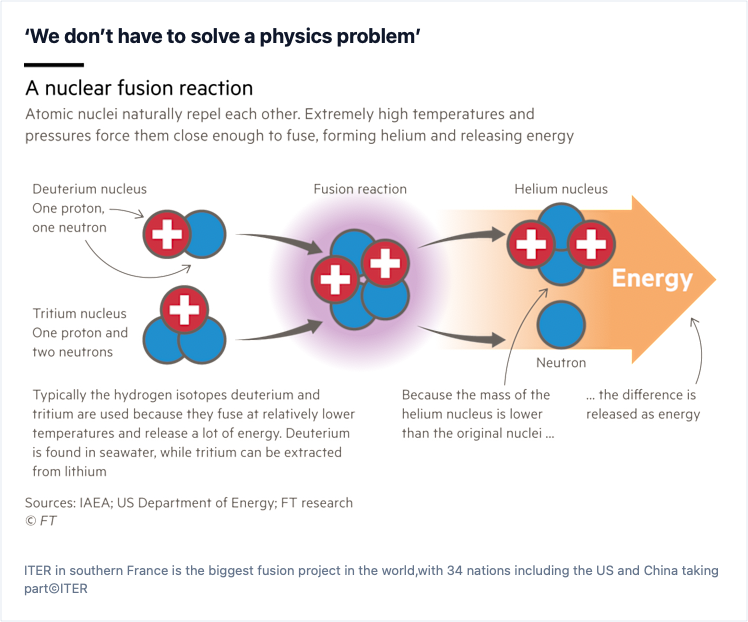
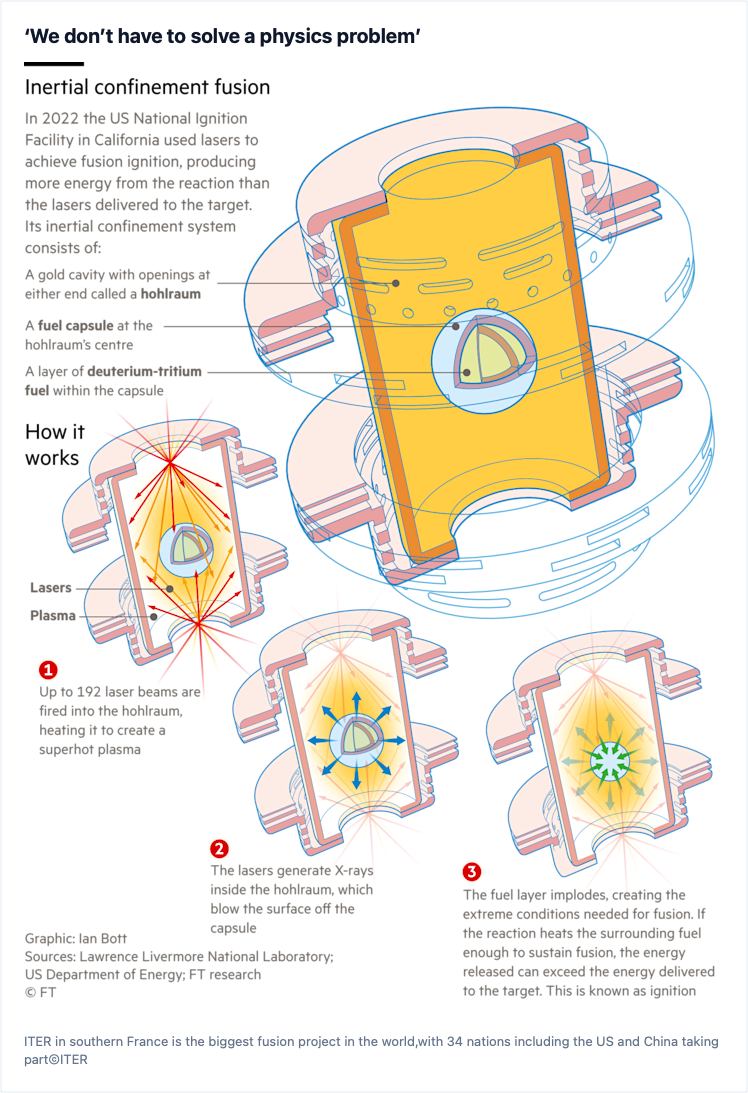
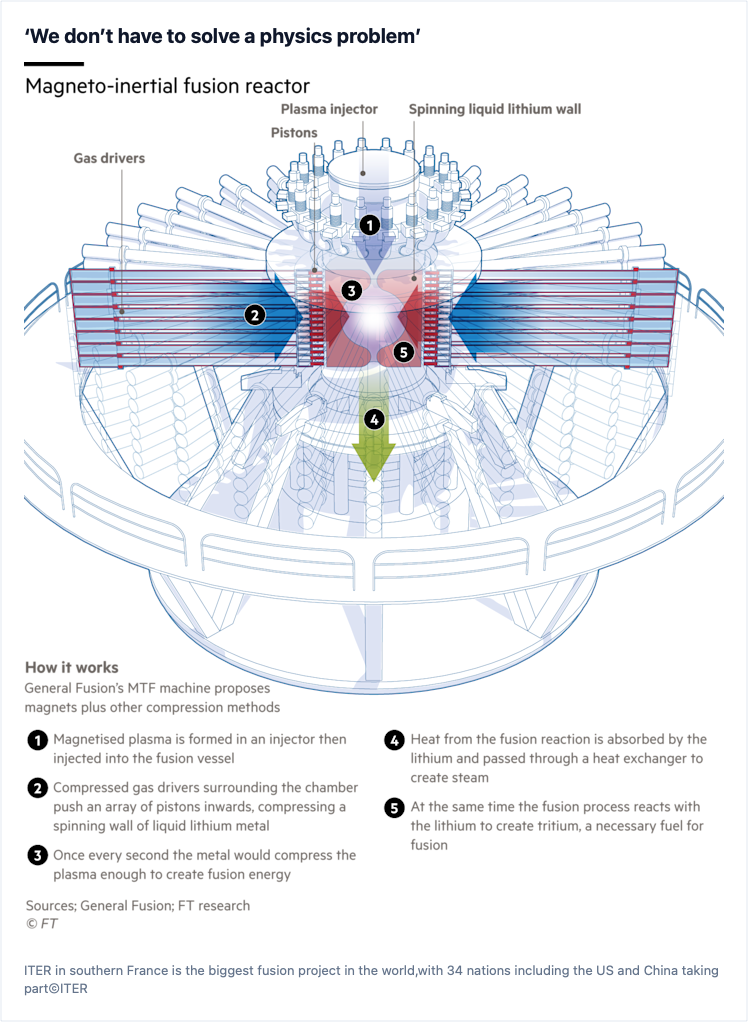
Driven by the massive power requirements of AI and the quest for abundant clean energy, nuclear fusion startups are experiencing an unprecedented surge in private funding, drawing billions of dollars from major tech corporations and high-profile billionaires. Startups such as Pacific Fusion and Helion Energy have set aggressive commercialization targets, promising grid-connected power within the next decade and accelerating the sector's shift from laboratory research to capital-intensive prototype development.
However, mainstream scientists and public research institutions remain deeply skeptical of these ambitious timelines, emphasizing that no experimental facility has yet produced more total electricity than it consumes. Experts warn of formidable engineering hurdles, including structural material degradation from intense radiation, severe shortages of tritium fuel, and the challenge of sustaining stable continuous power, indicating that viable commercial plants may not emerge until mid-century or later and cautioning against a potential Theranos-style credibility crisis.
Furthermore, even if operational plants are built, their economic viability and forecasted electricity pricing remain highly questionable, as facilities must consume a large fraction of their generated output merely to sustain superheated plasma, significantly reducing net grid electricity. As capital requirements jump into the billions and companies increasingly pursue public markets and sovereign subsidies, the sector's pervasive secrecy and reluctance to publish peer-reviewed data raise additional concerns over misallocated capital and unverified claims.