研究人员将这种被称为「异种皮质小鼠」的模型置于低氧环境五小时以模拟脑性麻痺病因,发现移植有人类组织的小鼠在维持平衡与步态方面显著受损,而未经基因改造的对照组则几乎不受影响。研究领导人塞尔久·帕斯卡指出,该模型不仅有助于深入探讨神经发育及妊娠相关疾病的机制,还为思觉失调症、癫痫和重度自闭症等疾病的病因研究及药物筛选提供了全新平台。(关键数字: five hours)
尽管神经科学界对这项技术跃进表示肯定,视其为测试基因治疗与药物反应的重要平台,但多位专家也指出了技术与伦理层面的局限。专家提醒,人类神经元与小鼠神经回路的连结无法完全反映人脑的复杂性,人工移除小鼠皮质亦可能干扰治疗转化;同时,生物伦理学者也呼吁相关规范应跟上神经类器官领域的快速进展,以因应新兴的伦理挑战。
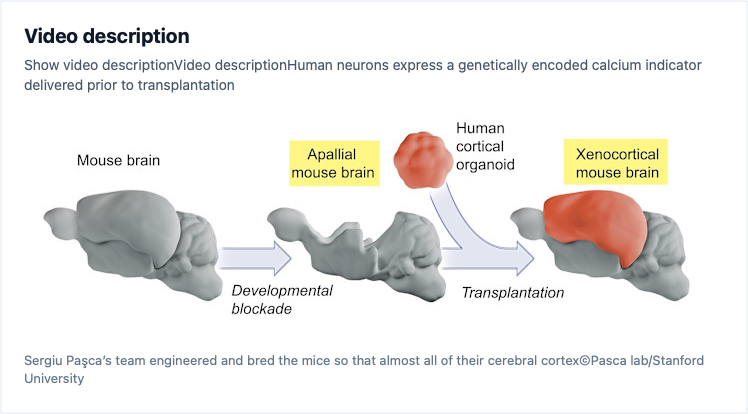
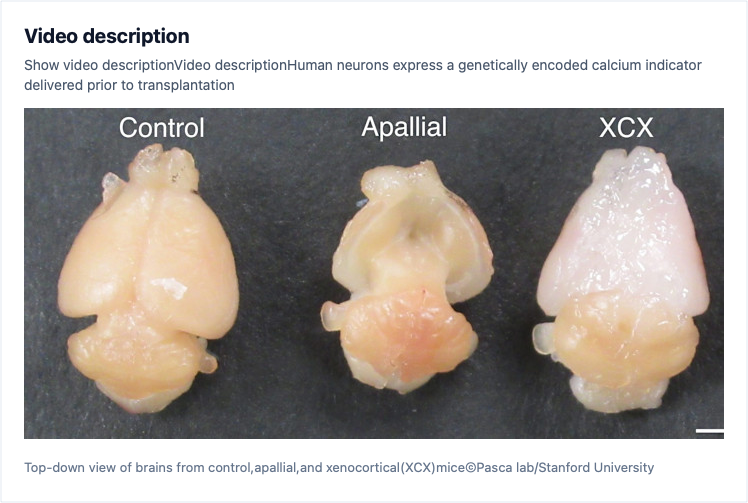
A research team at Stanford University genetically engineered mice lacking almost their entire cerebral cortex, successfully grafting human brain tissue derived from skin stem cells that subsequently integrated with the rodent host's brain and spinal cord. Published in Nature, this breakthrough allows scientists to observe human fetal-stage neuronal activity and developmental processes within a living organism at unprecedented levels of detail, far surpassing traditional cell cultures.
Researchers exposed these engineered xenocortical mice to a low-oxygen environment for five hours to mimic a known cause of cerebral palsy, observing that the grafted rodents suffered notable balance and gait impairments compared to unaffected controls. Lead author Sergiu Pașca emphasized that this intact nervous system model provides a powerful framework for deciphering pregnancy-incurred and neurodevelopmental conditions, including schizophrenia, epilepsy, and profound autism.
While experts celebrated the technical leap as a valuable testbed for evaluating drug and gene therapies in awake animals, they also emphasized notable limitations and ethical concerns. Critics pointed out that human-to-mouse neural connections do not fully replicate human brain complexity and drastic cortical deletions could hinder clinical translation, prompting bioethicists to call for updated, coordinated ethical guidance as neural organoid technologies rapidly advance.