这些被私募股权收购的软体公司,虽然营运状况可能看似健康,但身上背负的庞大浮动利率债务成为了致命伤。当人工智慧的竞争导致订阅收入下滑,或是利率上升增加还款压力时,高杠杆便会将公司推向亏损。更糟的是,这些债务多来自不透明的私募信贷市场,如果软体公司无法偿还或面临破产,风险将蔓延至大型资产管理公司、退休基金甚至散户投资人。
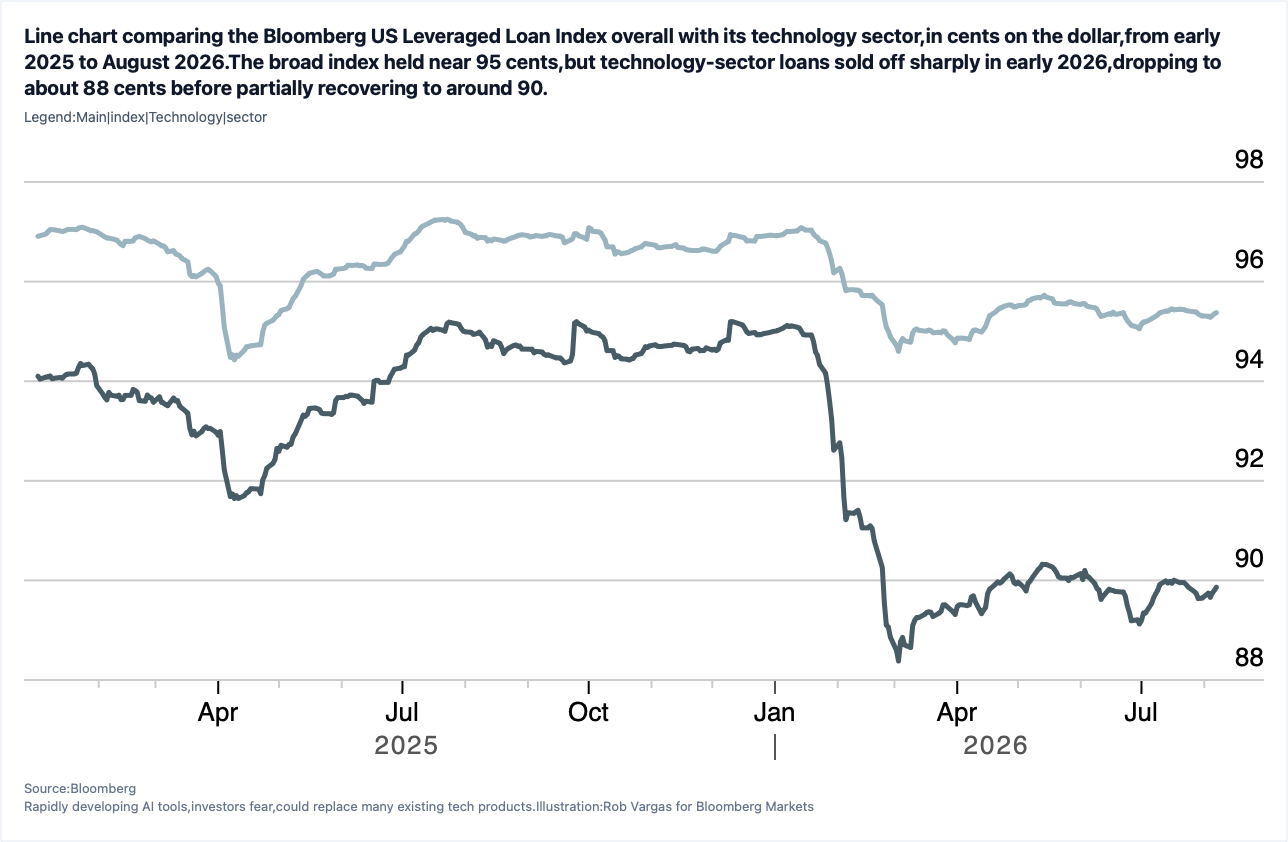
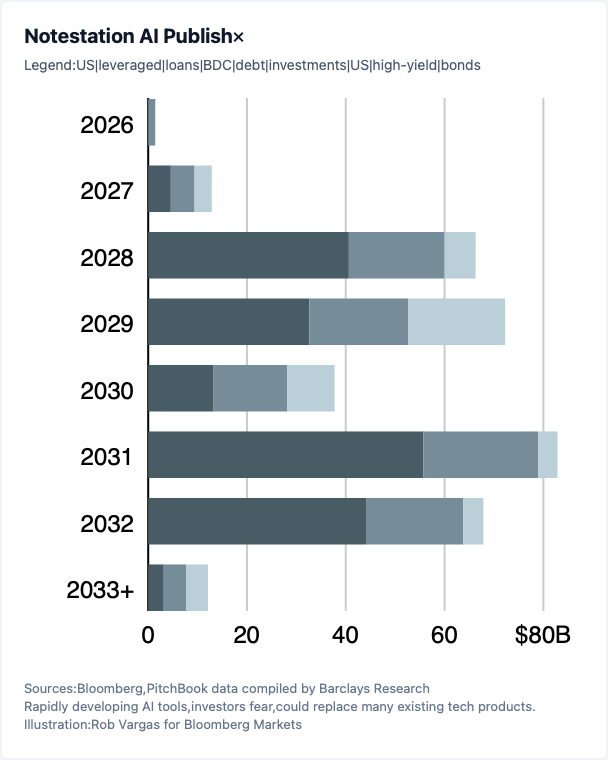
随著大量软体公司的债务将在未来几年内到期,再融资的考验即将到来。由于投资人担心人工智慧的颠覆性影响,加上现今较高的利率环境,贷款机构要求更高的收益率或更严苛的条件才愿意展延债务。尽管部分软体公司尝试将人工智慧整合进产品中以求生存,但市场对哪些公司能安度难关仍充满不确定性,整体产业的估值与再融资能力正受到严峻的挑战。
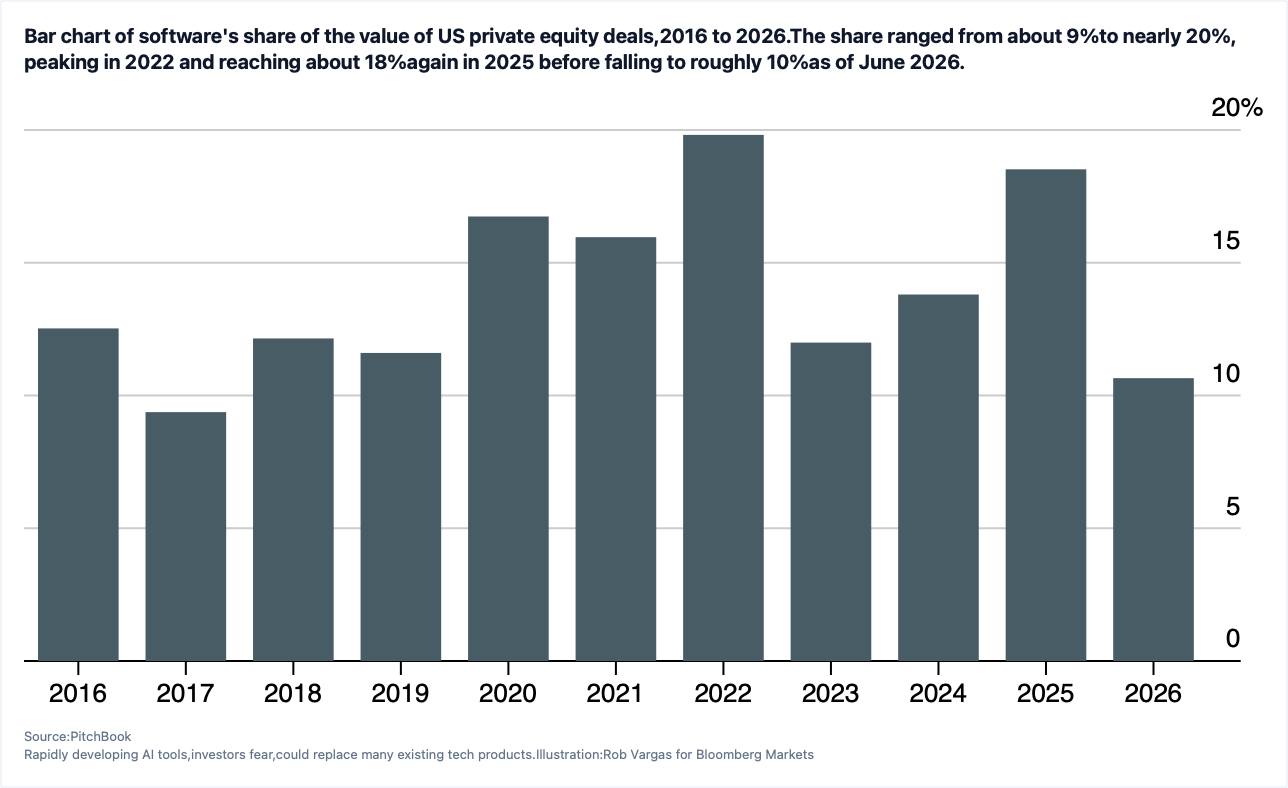
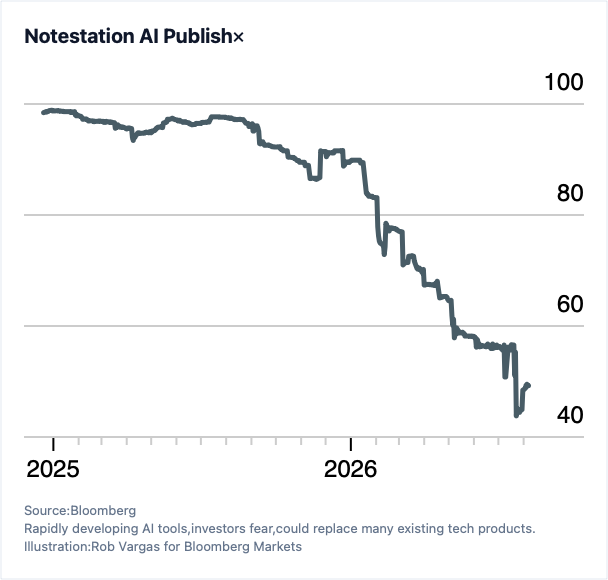
Wall Street is facing a potential crisis dubbed the "SaaSpocalypse," stemming from the financial industry's massive leveraged buyouts of software companies. During the era of low interest rates, private equity funds capitalized on the steady subscription revenue of software-as-a-service (SaaS) to justify aggressive debt-fueled acquisitions. However, with the rapid development of artificial intelligence tools that could replace these software products, the entire business model built on reliable revenue and high leverage is now at risk of collapse.
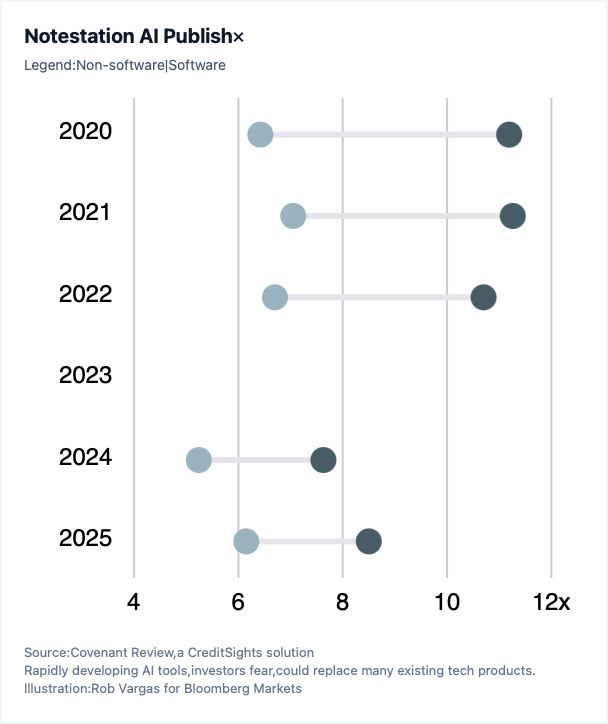
While the operating profiles of these PE-owned software companies might appear healthy, the massive floating-rate debt they carry has become a fatal vulnerability. When AI competition causes subscription revenues to decline, or when rising interest rates increase debt servicing costs, high leverage pushes these companies into losses. To make matters worse, much of this debt originates from the opaque private credit market; if software companies default or face bankruptcy, the risk will spread to large asset managers, pension funds, and even retail investors.
As a massive wave of software company debt matures in the coming years, the test of refinancing is fast approaching. Spooked by the disruptive potential of AI and operating in a higher interest rate environment, lenders are demanding higher yields or imposing stricter conditions to extend debt. Although some software companies are trying to survive by integrating AI into their products, there is widespread uncertainty in the market about which firms will weather the storm, posing severe challenges to the industry's overall valuations and refinancing capabilities.