20世纪60年代中期,约翰逊发起“无条件反贫困战争”,并在1964年推出全国粮食券、1965年推出医保与医疗补助;随后十年福利支出年化增速超过15%,如今约每8名美国人就有1人领取粮食券,全年福利总量约占GDP的15%。官方贫困率(OPM)近50年徘徊在约12%(2024年个人线约1.6万美元),但按纳税、转移支付与部分实物福利调整后的口径,贫困率从1939年的49%降至2023年的4%,若计入医保则降至1.6%。
该研究还显示黑人儿童贫困率从1939年的90%以上降到如今不足10%,说明长期贫困规模显著收缩。与此同时,数据表明减贫速度并未在“反贫困战争”后加快:1939-1963年下降约29个百分点,而其后约60年仅再降约16个百分点。
机制上也出现结构性转折:20世纪60年代前减贫主要来自市场收入增长,60年代中期后则更多依赖更慷慨的政府福利,且福利依赖上升(到1970年代,接近30%的黑人至少一半收入来自政府)。这意味着政策可能存在巨大权衡:联邦层面的数万亿美元支出降低了匮乏,却可能削弱工作激励并带来机会成本;而1990年代福利改革后,贫困与依赖曾同步下降,市场收入再次成为更重要支撑。
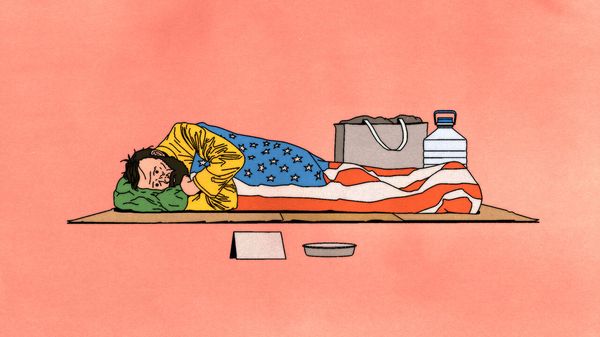
In the mid-1960s, Johnson launched an “unconditional war on poverty,” adding nationwide food stamps in 1964 and Medicare/Medicaid in 1965; over the next decade, welfare payments grew at an annualized rate above 15%, about 1 in 8 Americans now receives food stamps, and total welfare support is roughly 15% of GDP per year. The official poverty rate (OPM) has sat near 12% for about 50 years (with a 2024 individual threshold near $16,000), but a tax-and-transfer-adjusted measure shows poverty falling from 49% in 1939 to 4% in 2023, and to 1.6% when health insurance is included.
The paper also reports black child poverty dropping from above 90% in 1939 to below 10% today, indicating a major long-run contraction in deprivation. At the same time, the data suggest no acceleration in poverty reduction after the War on Poverty: the rate fell about 29 percentage points from 1939-1963, but only about 16 more points over roughly the next 60 years.
The mechanism also shifted: before the 1960s, poverty reduction was driven mainly by rising market income, while from the mid-1960s onward it depended more on more generous government benefits, alongside higher dependency (by the 1970s, nearly 30% of black Americans received at least half their income from government). This implies a large trade-off: trillions in federal spending likely reduced hardship but may also have weakened work incentives and imposed opportunity costs, while 1990s welfare reforms showed that poverty and dependency could both fall as market income growth regained importance.
Source: Did America’s war on poverty fail?
Subtitle: Deprivation has fallen dramatically—but not necessarily because of the welfare state
Dateline: 2月 19, 2026 04:53 上午