霍尔木兹海峡几乎完全关闭,仅伊朗油轮通行,导致全球约20%石油运输受阻,被称为历史上最大供应冲击。油价迅速反应,近期布伦特原油价格突破100美元,但5年期价格仍低于70美元,显示短期冲击与长期预期之间存在显著价差。预测市场数据显示,截至5月31日停火概率已降至50%以下,冲突持续时间预期延长至6月以后,强化升级趋势。
尽管供应中断规模超过1973年与1979年危机,但实际价格冲击仍低于历史极端水平,反映市场预期中断具有暂时性。需求与供给均存在调整弹性:高于100美元价格将激活此前在65美元下不可行的产能,同时抑制消费。该预期形成当前市场相对“非恐慌”状态,但若冲突持续时间延长,这一假设将迅速失效。
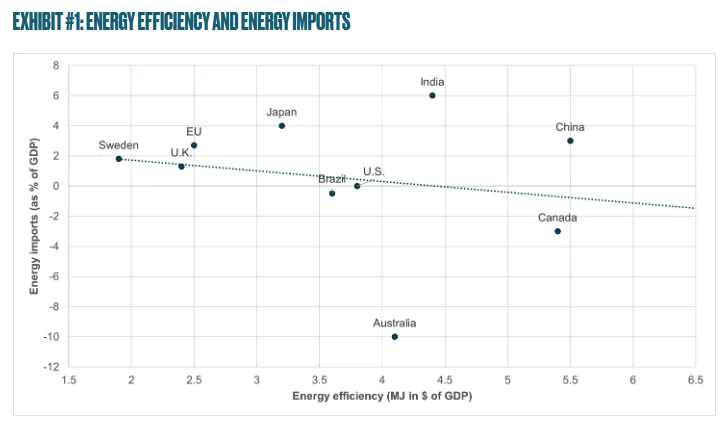
区域影响高度不均。亚洲承受最大风险,中国、印度、日本和韩国合计占霍尔木兹原油运输约70%。新兴市场资金流已显著放缓,2月流入降至不足220亿美元,远低于1月1005亿美元峰值及去年同期455亿美元。通胀冲击预计在第二季度增加0.4至1.7个百分点。未来两周超过18家央行将决策利率,政策趋于谨慎,潜在转向紧缩以应对通胀与资本外流压力。
The Strait of Hormuz is effectively closed except for Iranian tankers, disrupting roughly 20% of global oil flows and constituting the largest supply shock on record. Oil prices reacted sharply, with near-term Brent crude exceeding $100 while five-year futures remain below $70, indicating a significant gap between short-term stress and long-term expectations. Prediction markets show the probability of a ceasefire by May 31 has fallen below 50%, with timelines extending into June or later, reinforcing escalation dynamics.
Although the scale of disruption exceeds the 1973 and 1979 crises, actual price impacts remain below historical extremes, reflecting expectations of a temporary shock. Both supply and demand exhibit adjustment capacity: prices above $100 incentivize production that is uneconomical at $65, while simultaneously curbing consumption. This expectation underpins current market composure, but it becomes unstable if the conflict persists or escalates further.
Regional impacts are uneven, with Asia bearing the highest exposure as China, India, Japan, and South Korea account for about 70% of Hormuz crude flows. Emerging market capital inflows have slowed sharply to below $22 billion in February, compared with $100.5 billion in January and $45.5 billion a year earlier. Inflation is projected to rise by 0.4 to 1.7 percentage points in the second quarter. Over 18 central banks will set policy within two weeks, with a bias toward caution and potential tightening in response to inflation and capital flow risks.