现任首相基尔·斯塔默仍在位,但接班之战已全面展开。热门人选安迪·伯纳姆在英格兰北部以飞行夹克和“曼彻斯特主义”拉票,工党右翼领跑者韦斯·斯特里廷则以支持英国重返欧盟制造声势;伯纳姆若要参选,还得先在支持脱欧的梅克菲尔德赢得一场补选。
斯塔默政府本周又提议让超市自愿设定食品价格,上演了与苏格兰民族党类似但更无力的政策。文中指出,工党左右两翼都把英国描述为租金型经济,但分歧更多在措辞而非实质:左翼偏向公共控制、最低工资和税收转向财富,亲商派则强调放宽规划、扩大供给和财政权下放。
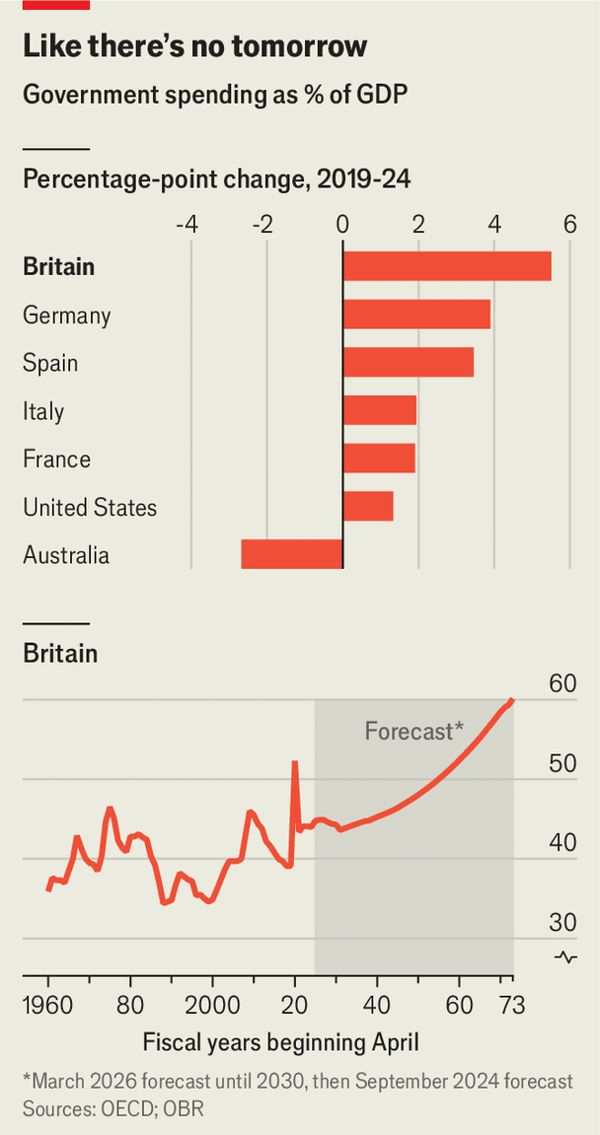
真正被忽视的数字更关键:英国公共支出预计在2026—27年达到GDP的45%,高于疫情前的39%,并可能因老龄化继续攀升。与此同时,讨论几乎回避福利改革、养老金、贸易关系、欧盟以及人工智能;2024年选民已被剥夺一次诚实辩论,而工党高层似乎再次重演这一失误。
Sir Keir Starmer is still prime minister, but the race to replace him is already underway. Front-runner Andy Burnham is campaigning across northern England in bomber jackets and with “Manchesterism,” while Labour’s leading figure on the right, Wes Streeting, is making waves by backing Britain’s eventual return to the EU; Burnham must first win a by-election in Leave-voting Makerfield before he can enter a leadership contest.
This week Starmer’s government floated a voluntary supermarket cap on food prices, echoing but weakening the Scottish National Party’s plan to cap the price of up to 50 essential foods. The Labour left and right both diagnose Britain as a rentier economy, yet their disputes are narrower than they sound: the left favors public control, higher minimum wages, and taxing wealth more, while the pro-business side stresses planning reform, supply expansion, and fiscal devolution.
The bigger figures are being neglected: public spending is forecast to reach 45% of GDP in 2026-27, up from 39% before covid-19, and ageing is likely to push it higher still. Debate also sidesteps welfare cuts, pensions, trade ties, the EU, and AI, meaning Labour risks repeating 2024’s failure to offer voters an honest account of the trade-offs ahead.
Source: Labour’s “battle for ideas” is a skirmish over small differences
Subtitle: And it ducks the questions that matter most
Dateline: 5月 21, 2026 03:19 上午