尽管无错误的「容错」量子计算机仍需数年才能问世(IBM和Google预测在2029至2030年间实现),但部分企业如宝侨(P&G)已开始结合量子与传统计算来解决复杂的实际问题。同时,各国政府与科技巨头(如苹果和Google)也正著手开发和部署后量子密码学。
在企业财务与投资决策中,投资者往往乐于评估遥远未来的获利机会,却常常低估前所未有且具不确定性的潜在灾难。因此,在对量子计算带来的发展感到兴奋的同时,也必须保持警惕,合理评估其可能带来的破坏与风险。
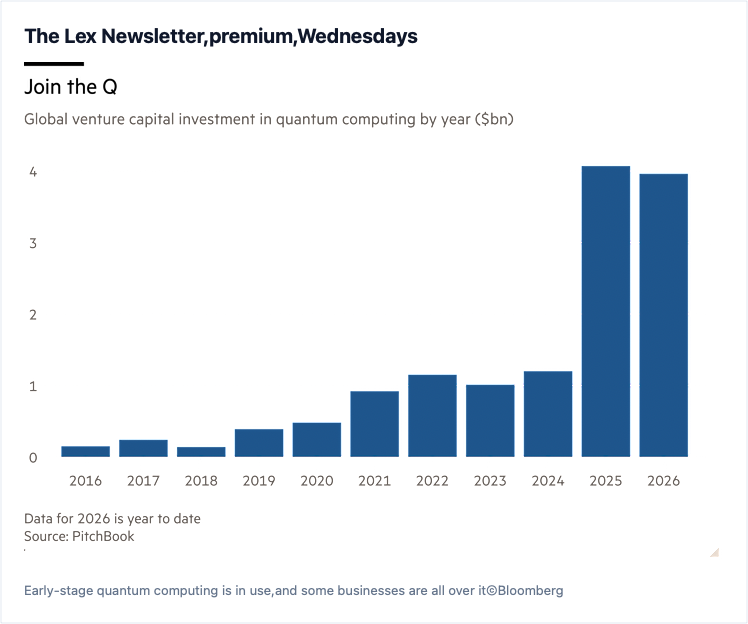
Quantum computing leverages the unusual physics of subatomic particles, presenting immense computational potential while posing a severe threat to traditional cryptography, which could easily compromise sensitive data like bank accounts and internal corporate systems. Despite this, only a small fraction of businesses currently have funded plans to address these quantum-related security threats.
Although error-free, fault-tolerant quantum computers are still years away—with companies like IBM and Google projecting their arrival around 2029 to 2030—some businesses like Procter & Gamble are already combining quantum and classical systems to solve complex problems. Meanwhile, governments and tech giants like Apple and Google are actively developing post-quantum cryptographic standards.
In corporate finance, investors and executives are often adept at valuing distant profit opportunities but frequently fail to adequately price the risks of unprecedented mishaps. Therefore, the excitement surrounding the capabilities of quantum computing must be balanced with a healthy fear of the legacy systems and security measures it might disrupt.